

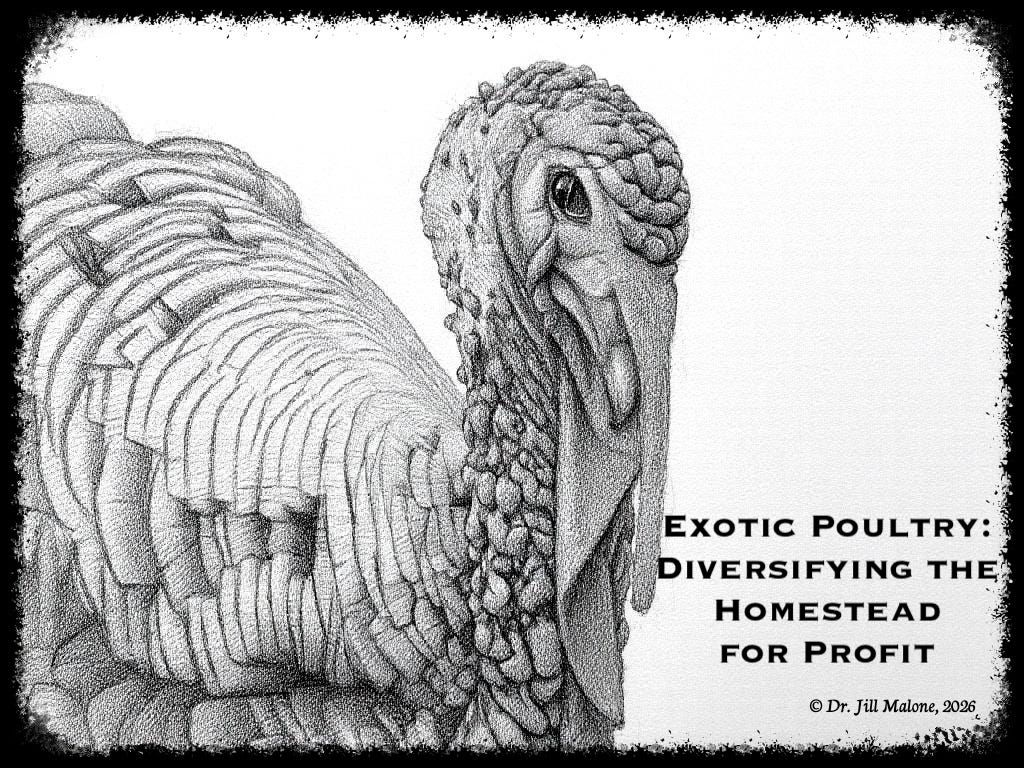
The excerpt below comes from the practical heart of Homesteading for Health, where we move beyond the philosophy of self-sufficiency and into the everyday realities of building a working homestead: growing food, rebuilding soil, raising chickens, choosing livestock, and finding the mix of animals and enterprises that fits your land, your time, and your goals.
Not everyone is going to keep emus, peacocks, geese, ducks, or guinea fowl, and frankly, not everyone should. But one of the pleasures of homesteading is discovering just how many possibilities exist beyond the familiar flock of laying hens. The larger livestock chapter ranges from sheep, goats, dairy and beef cattle to pigs, turkeys, horses, working dogs, exotic poultry, and even a stocked pond, because a successful homestead is rarely built from a standard formula. Each species brings its own uses, problems, personalities, and sometimes surprising opportunities for income. So even if a white emu is never going to appear in your pasture, we think you may enjoy this glimpse into the stranger side of our farm, and perhaps come away thinking a little differently about what animals can contribute to a diversified homestead
Exotic Poultry: Diversifying the Homestead for Profit
Chickens may be the gateway bird of the American homestead, but they are hardly the only option worth considering. For those willing to think beyond the standard laying flock, geese, ducks, emu, guinea fowl, and peafowl offer diversity, resilience, and genuine breeding potential. Exotic fowl can turn a practical farm into a distinctive one, both functionally and economically.
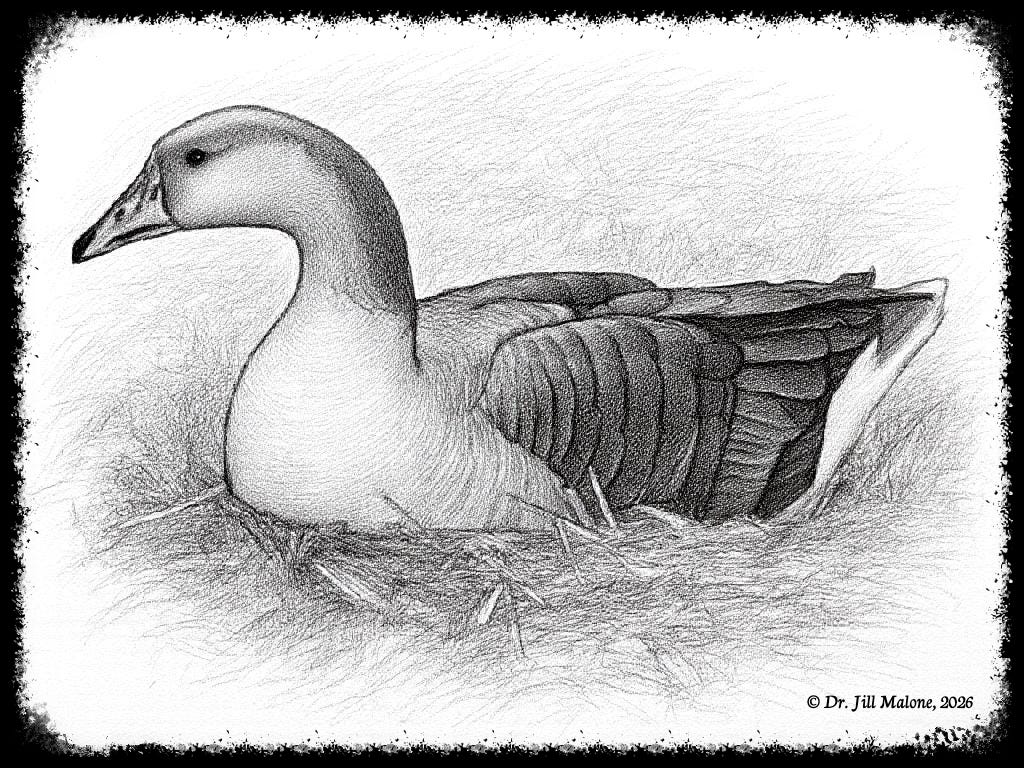
Geese are often overlooked, yet they are remarkably efficient birds. Unlike chickens, they are true grazers. On good pasture, they can maintain strong condition with minimal supplemental grain. For farms practicing rotational grazing and soil stewardship, geese fit naturally into the system. They trim grass evenly, fertilize generously, and convert forage into meat and eggs with impressive efficiency.
They also function as highly committed security systems. A flock of geese will loudly announce every arrival. Whether that is a fox, a delivery truck, or an uninvited guest, you will know about it. They can also deliver a nasty bite, so be prepared to intervene between your flock and the Amazon driver.
From a breeding standpoint, heritage goose breeds offer an opportunity because they are less common than chickens. Quality breeding pairs, goslings, and fertile hatching eggs are consistently in demand each spring. Limited supply helps protect small producers from large-scale competition.
Ducks are especially valuable on farms with ponds, wet ground, or heavy seasonal rainfall. They tolerate mud better than chickens and are generally hardy birds. Where chickens can struggle, ducks often thrive. That said, ducks are messy and can quickly pollute a small pond. Many people deal with the mess by keeping ducks in a fenced pasture, with a child’s “kiddie” pool or a low stock tank. A water source that can be dumped and refilled daily is a good way to keep these messy little critters.
Laying breeds can rival hens in production, and duck eggs command strong prices in specialty markets and among bakers. Meat breeds grow quickly and dress out efficiently. Because ducks breed readily and tend to hatch well, establishing a small breeding program is straightforward. There is also an opportunity in heritage lines and color varieties. Exhibition-quality birds and uncommon genetics can command premium prices. Ducks are productive, adaptable, and market-friendly.
Emus are not traditional poultry. They are large ratites that require sturdy fencing, space, and careful management. They are not beginner birds. And yes, the females can get nasty and require careful handling. Likewise, during breeding season, the males can become very protective of their eggs and chicks. However, for the right homestead, they offer unique income streams.
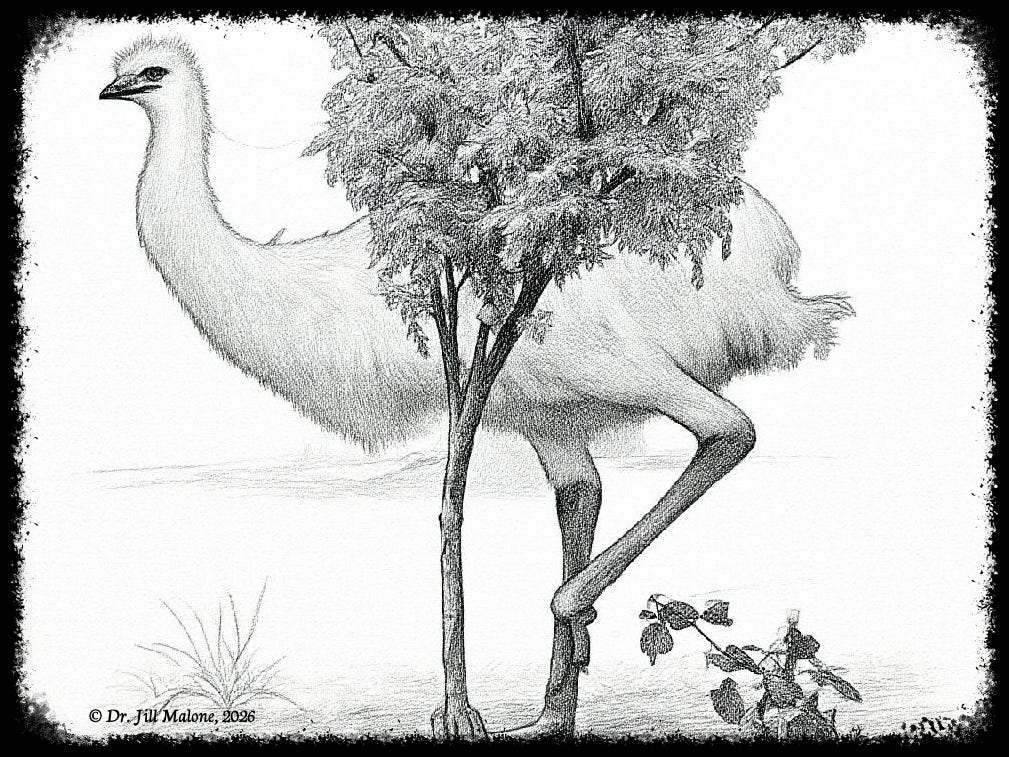
Their large, dark green eggs are valuable for both culinary and decorative markets. The meat is lean and appeals to specialty buyers. Emu meat tastes more like mammalian meat, and yet people with alpha-gal allergies can digest it. Emu oil has also found niche markets in cosmetics and topical applications. Breeding pairs represent a significant investment, but chicks can sell at strong prices due to limited supply. Emus also draw attention. For farms offering tours or agritourism experiences, they are unforgettable.
On our farm, Gonzo (the goose) and Gizmo (the emu) are the comedians of the farm. Raised together as hatchlings, they like to go on many adventures, including exploring, bathing in puddles, sampling the local greenery, and nibbling on humans (in the nicest way, of course). Gizmo is a rare white emu with blue eyes, which makes her highly valuable as a breeding animal.
(RWM: For those that don’t know, Gonzo the goose met her demise by a predator earlier in the summer).
Last year, we added Joey, a mature blond male emu, to the mix. Gizmo and Joey are slowly learning to tolerate each other’s company, and we hope next year they will produce many large, jewel-colored eggs for Jill to incubate. Then we can sell the emu chicks at a premium.
For us, emus are both fun and a profitable niche market. We keep our emus in a pasture at the front of our property, right next to our gate, and they never fail to impress our visitors.
Guinea fowl are loud, independent, and highly effective at insect control. On wooded acreage or pasture, they reduce tick populations and alert the farm to disturbances. Tick control has always been the primary reason we maintain a flock. They are also exceptional at alarm calling and know the difference between humans who live on the farm and those who do not.
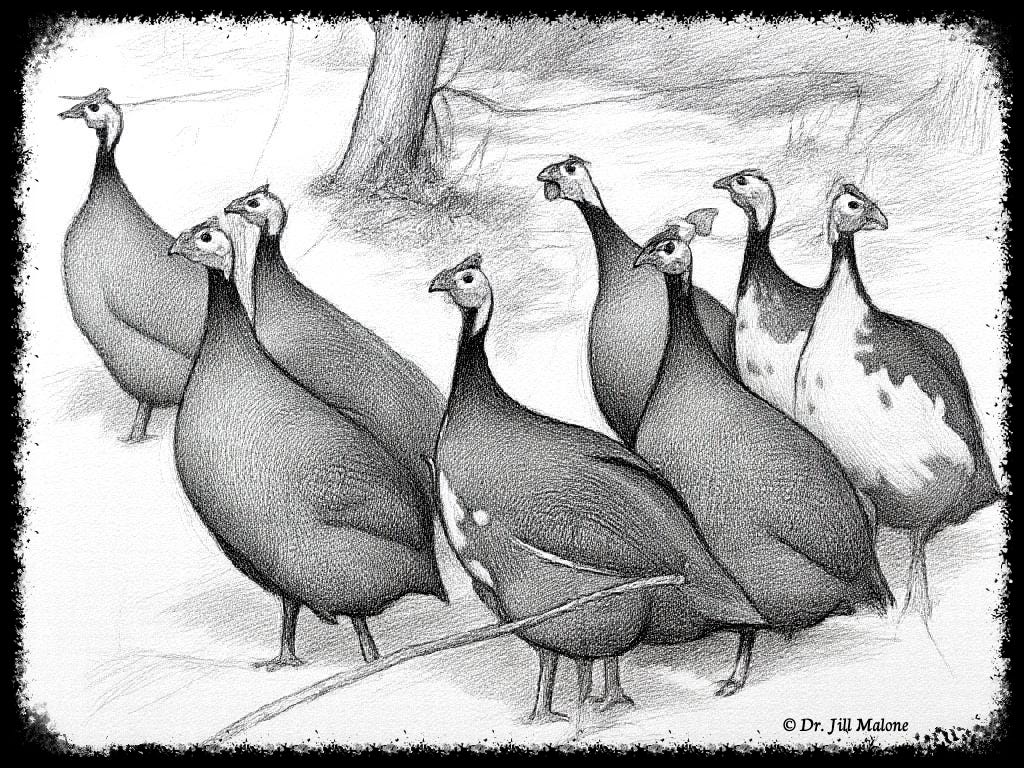
Guineas are not tidy birds, and they are not quiet. However, they require little intervention, forage extensively, and are remarkably hardy. Many homesteaders purchase keets (juvenile Guinea fowl) in the spring for tick control but do not maintain breeding flocks. This creates steady seasonal demand for young birds. Unfortunately, those keets do not fetch much money, so this is not really a money-making venture.
Peafowl (peacocks are the males) are ornamental first and practical second. They require space, high roosting areas, and tolerant neighbors. Their calls carry across fields and valleys.
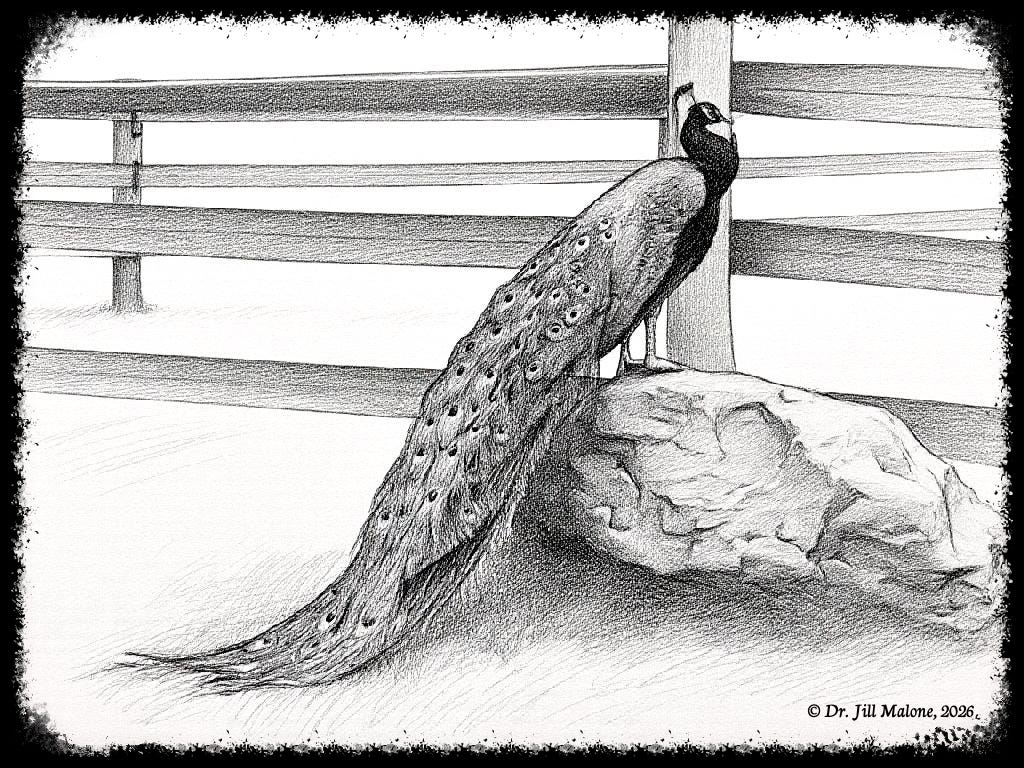
Fortunately, the yelling is seasonal, but still, it is loud. Yet their beauty commands attention and value. Color varieties and quality breeding stock can sell for significant premiums. Because peafowl mature slowly, well- established breeding birds retain value for years. They also elevate the atmosphere of a farm. A peacock displaying in the pasture leaves a lasting impression on visitors and buyers alike.
We have nine peafowl on the farm. We keep our five peahens and juveniles in coops with the chickens, as during laying season they are easily caught by foxes when they sit on nests.
Two peacocks, full brothers, are currently free-ranging, and one aggressive male is in the coop. Breeding season is about to start, so we need to sell last year’s babies and rotate the peacocks into the coops for the season.
We incubate all the eggs, and with Jill’s fancy 1502 Sportsman Cabinet Incubator, our hatch rate is about 90 percent. Raising the delicate peachicks is difficult, as they seem to catch just about every respiratory disease and exotic parasite known to the avian world. Once they get past that stage, they are extremely hardy.
Exotic fowl are an effective homestead strategy. They allow a farm to diversify without competing directly with industrial agriculture. Generally, they require very little space compared to other livestock. They can utilize different ecological niches, create specialty markets, and provide hatching eggs and breeding stock for other homesteaders. Other exotic species to consider breeding are swans, pheasants, and exotic quail. Success depends on thoughtful breeding selection, predator protection, good fencing, and careful record keeping. A good incubator is a must for anyone who wishes to raise specialty birds. This is not the place to skimp. When managed well, exotic poultry and other species of birds offer more than income. They add resilience, character, and distinction.

A farm with geese patrolling the pasture, ducks working the pond, guinea fowl sounding the alarm, and peafowl perched on the barn roof feels less like commodity production and more like a living estate. And sometimes, that distinction is part of the profit.

A Final Note About the Illustrations
One of the things that makes Homesteading for Health especially personal is the artwork. The illustrations throughout the book were created from photographs of our own farm, our own animals, and the life we have built here. The horses, cattle, chickens, peacocks, emus, dogs, gardens, and landscapes are not generic farm imagery. They are part of our story. That makes this a book meant not only to be read, but also to be picked up, paged through, and enjoyed visually.
With more than 250 pages of practical homesteading knowledge intertwined with how to improve one’s own health, it is full of stories, science, food policy, history, and illustrations drawn from life on our farm; we think it also makes a wonderful Christmas gift, whether for an experienced homesteader, someone dreaming of a few acres of their own, or simply a person who loves animals, gardens, good food, and the idea of a more self-sufficient life.
Homesteading for Health is available through Amazon, Barnes & Noble, Books-A-Million, Target, Walmart, independent booksellers, and other retailers in the U.S. and internationally.
Amazon - hardcover, Kindle and Audio currently listed at $29.99. The shopping listing shows it as in stock.
Barnes & Noble — hardcover, currently listed at $29.99. The shopping listing shows it as in stock.
Target — hardcover, currently $22.99, discounted from $29.99.
Walmart — hardcover, listed at $22.99, sold and shipped by Walmart.
Books-A-Million — hardcover, listed at $22.99.
BookPal — hardcover, particularly interesting for bulk purchases. They advertise quantity discounts beginning at 25 copies and going up through 1,000+.
Skyhorse Publishing — the publisher’s page has direct purchasing plus links to several retailers.
There are also digital editions through Apple Books, as well as Barnes & Noble, Google Play, and Kobo
You need some bigger geese or even swans to clean the clock of any future predators that happen on the property!
I am enjoying my book. Thank you for sharing your experiences on the homestead. .