

By Jill Glasspool Malone
I actually love fall weather. The crisp mornings, pleasant afternoons, and changing colors are wonderful. My only complaint is that fall has a nasty habit of being followed by winter, a season I could happily do without.
Around the farm, I am in a race against the calendar, frantically trying to finish mowing the back pastures and the big mare pasture before the weather turns. I’ve made good progress, with just a few hours of mowing left to go. Of course, those “few hours” have a way of stretching into several days when farm life intervenes.
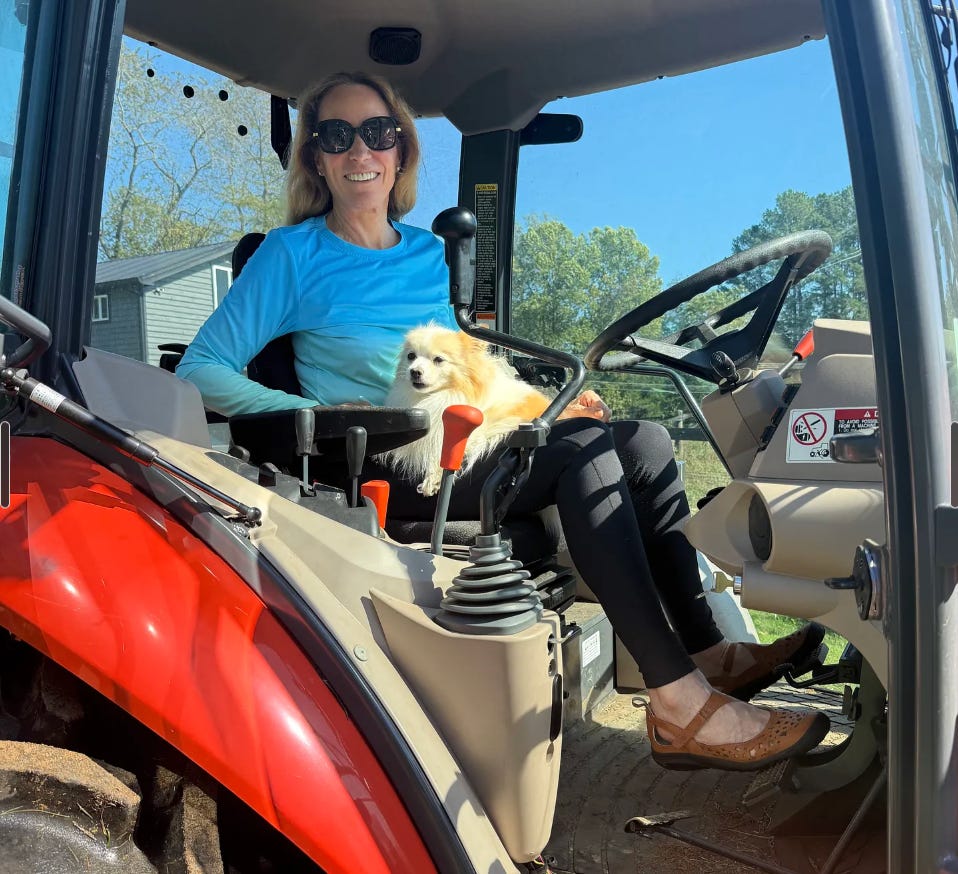
Kitty gets to bush hog with me, which is evidently better than being left in the house. So she tolerates the noise, the shaking, and the bumps - as long as she can be on my lap.
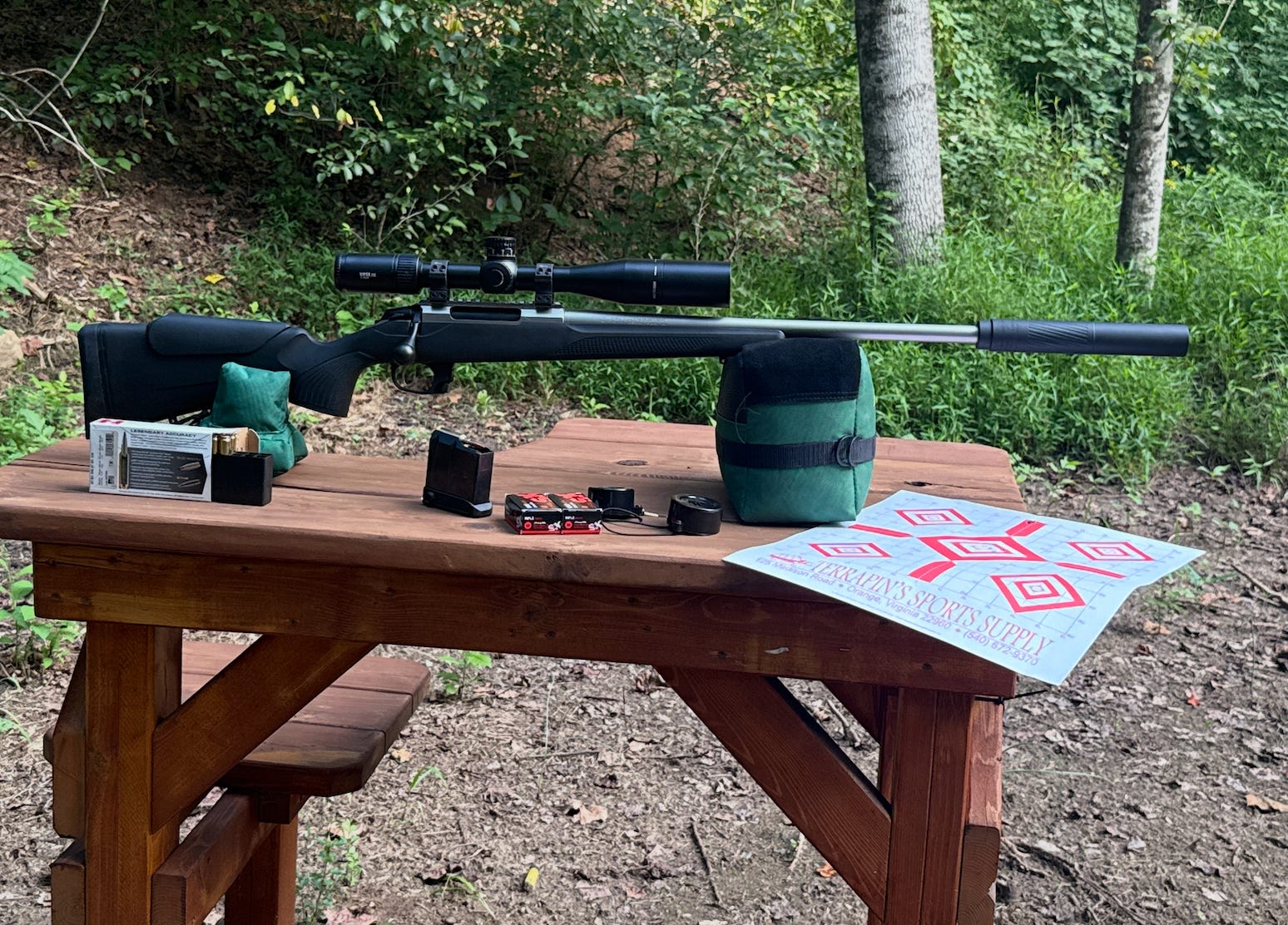
Robert’s big passion recently has been target practice. Which of course, requires the ongoing building of a shooting range. Which means lots of time planning, designing a safe place - far from where people might encounter it.
I don’t think I need to justify why this might be important to us, particularly to Robert.
Fall Harvesting and Planting.
The garden is still producing tomatoes and both hot and sweet red peppers, although the tomato plants are looking decidedly worse for wear. There are plenty of half-rotten tomatoes scattered about, which seems to be an inevitable part of the October garden. At this point, harvesting tomatoes is something of a treasure hunt, with the occasional squishy, unpleasant surprise.
I did manage to get the red cabbage, Brussels sprouts, cauliflower, and kale planted for the fall garden. Unfortunately, the slugs discovered the tender young kale almost immediately and celebrated with an all-night, all-you-can-eat buffet. By morning, there wasn’t much left. Apparently, nobody told the slugs that the kale wasn’t planted for their personal enjoyment. Otherwise, the fall crops are doing well.
There are also a few volunteer cilantro plants popping up, along with some self-seeded tomato plants that apparently missed the memo about the approaching winter. Those little optimists will soon be transplanted into pots and moved into the greenhouse, where they can continue their ambitions without freezing to death. Last year, I nurtured a fall upstart all through the winter, and it became my first plant in the garden to yield tomatoes. A girl can hope to get the same result this year.
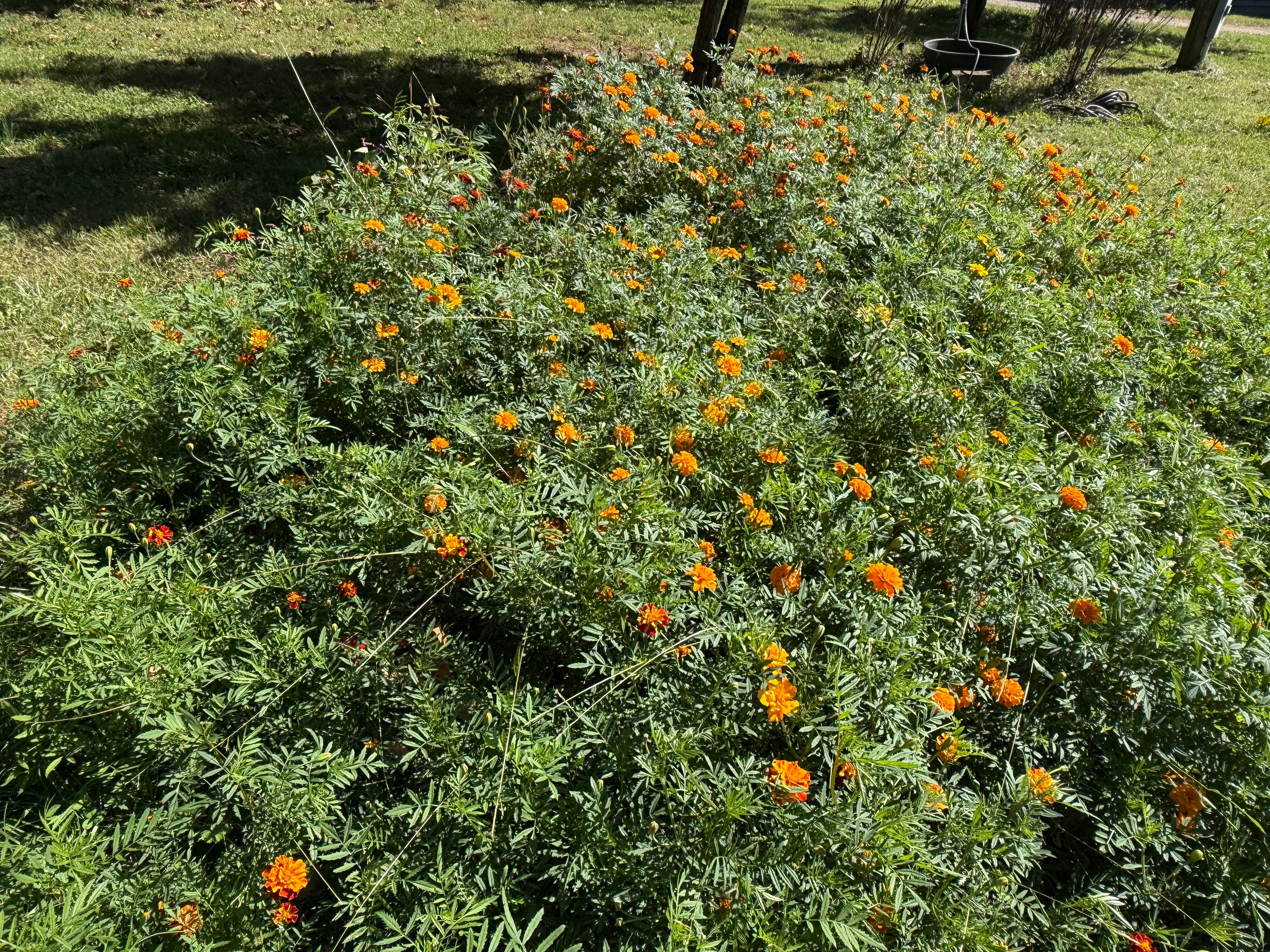
I still haven’t planted the garlic, largely because the spot I have reserved for it is currently occupied by masses of marigolds that are still blooming their hearts out. I hate to pull them up while they’re putting on such a cheerful display. Besides, marigold petals are lovely in salads, either fresh or dried, adding a splash of color and a slightly peppery flavor. So the plan is to harvest a generous supply of petals and air-dry them before finally clearing the beds.
Once that is done, the garlic and Egyptian walking onion bulbs can go into the ground. I have about two pounds of garlic bulbils from my garlic flowers this year. These look suspiciously like seeds to me, although botanists apparently have other ideas. These little things need a place where they can grow undisturbed for the next two years while they develop into proper garlic bulbs. But I have seen “images” where garlic planted like this can develop into what looks like a sea of green. The operant word being “images,” the reality might be very different.
Finding a suitable spot for a large bed of garlic that won’t get dug up, planted over, trampled, or otherwise disturbed for two entire years may be the biggest challenge of all. And of course, there is the pesky issue of weeds. Yep, someone is going to have to weed that plot of land. On this farm, two years of undisturbed peace is a rather ambitious project, even for garlic.
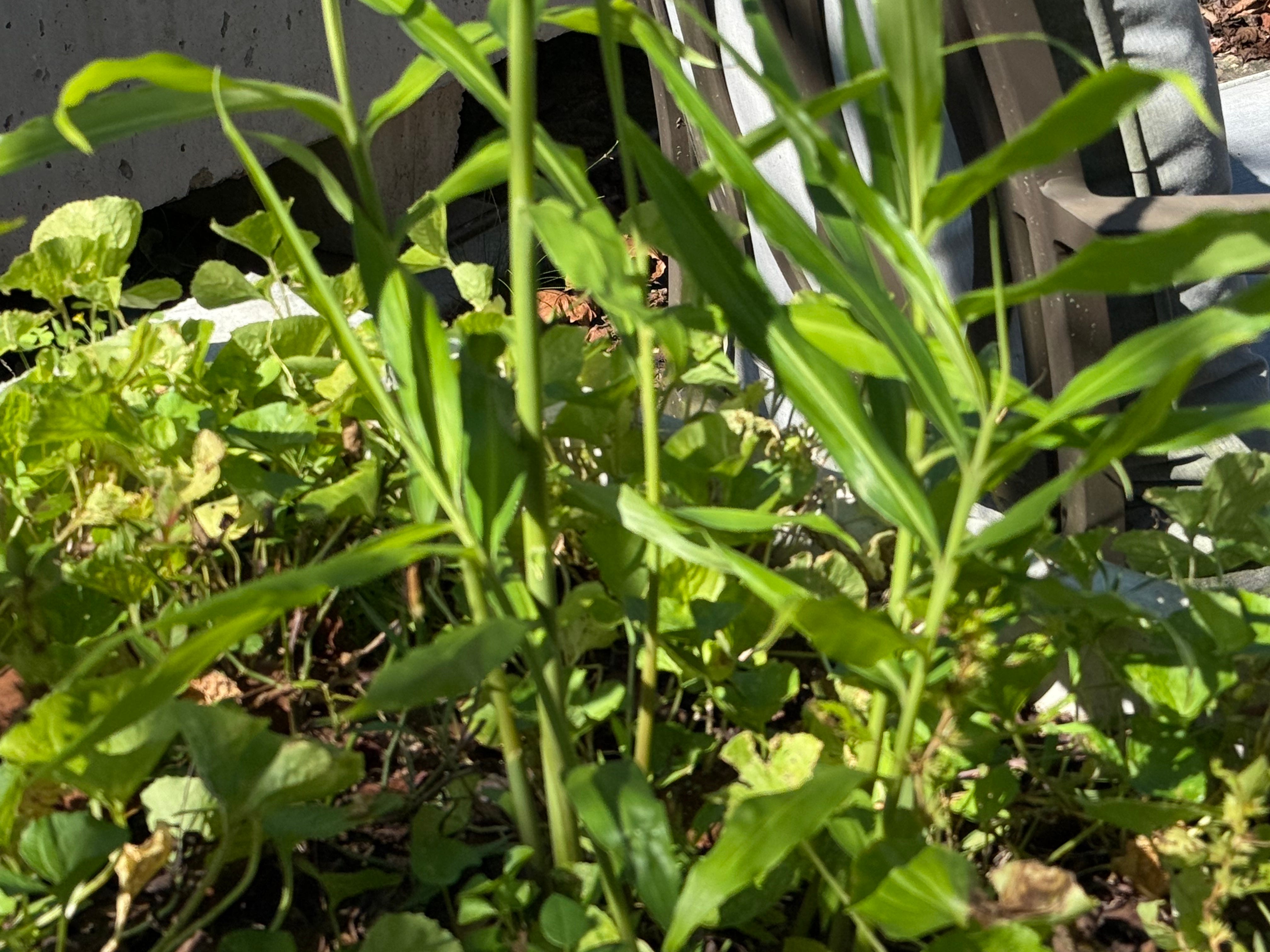
I have also finally managed to get ginger growing in both the greenhouse and the garden this year! The plants growing outdoors will soon need to “migrate” to join their sisters in the greenhouse, as ginger does not tolerate cold weather.
Sometimes, in gardening, it really is the small victories that bring the most satisfaction. I think this is the third or fourth time I’ve attempted to grow ginger from grocery-store rhizomes, with little success until now. The difference this time may be that the ginger was locally grown and likely hadn’t been treated with anything to inhibit sprouting. Whatever the reason, I’m delighted to finally have ginger growing, and I’m hoping this is the beginning of a steady supply of homegrown ginger.
I love ginger shots and would love to be able to make my own - knowing that the ginger was grown organically.
My gardening failures of the year include a complete lack of fruit, due to the May 20th frost that took out all of the buds, before the fruit set. Very few blueberries set either. That frost set back many of my vegetable plants, too.
Then my basil crop got smothered to death by the monster marigold plants - which, by the way, said MINI marigolds on the packet. Snort! “Mini,” my ***!
We have finally given up on apple and pear trees. They just keep getting the cedar rust that inhabits the soil on our farm. Each year, they get sicklier and sicklier.
What went sideways in your garden?
There is always something, isn’t there?
Recently, we moved the colts from the back pasture down to where the other stallions live. The big guy, Ouro, just turned two years old. And no, he is not for sale!
In the meantime, I’ve started putting out feelers about selling Valor, our Christmas Day 2025 colt. He and Ouro are still living together and remain best buddies, but I know that sooner or later, their rough-and-tumble play may become a little too rough.
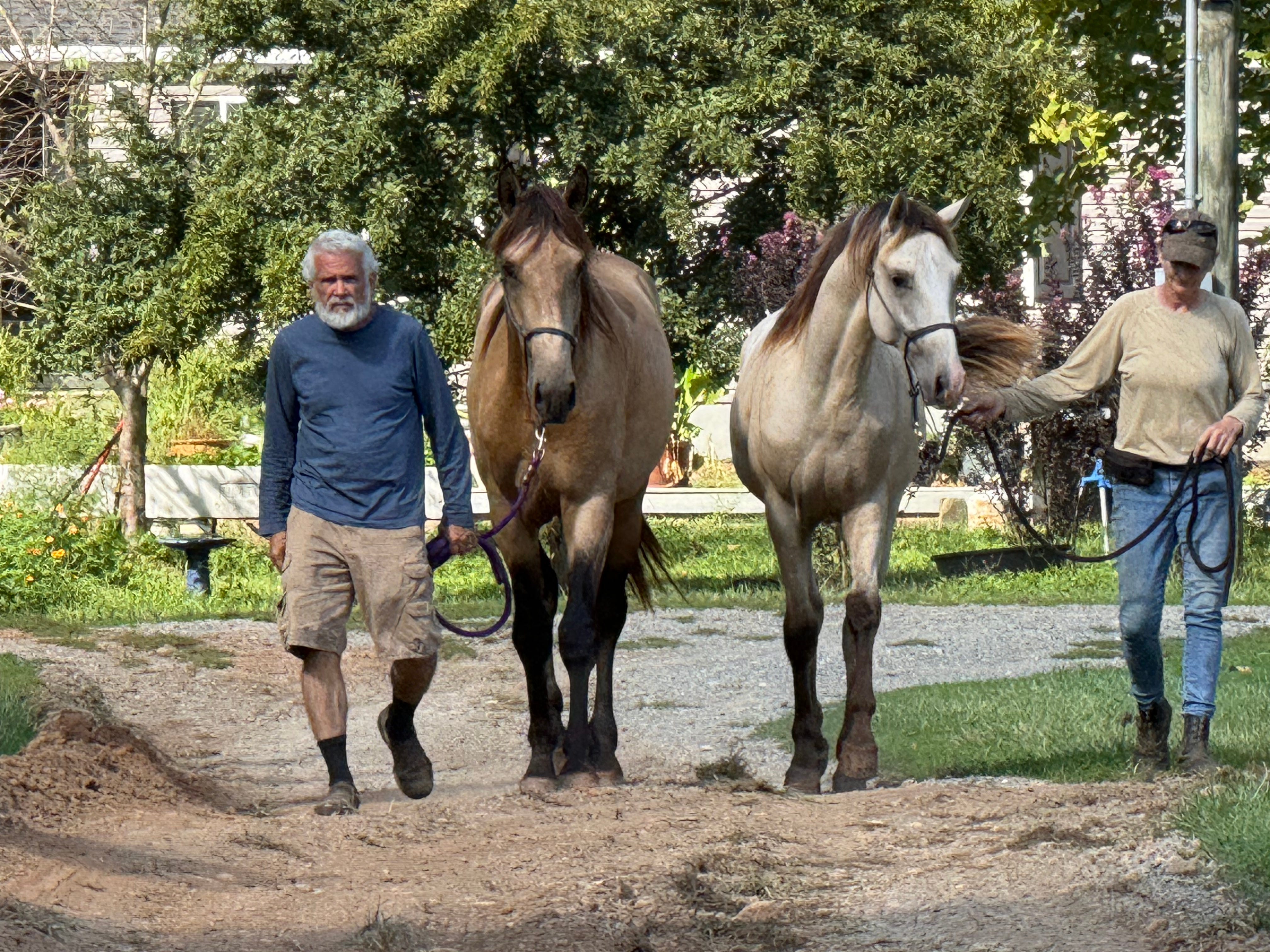
Ouro is approaching puberty, although it hasn’t happened yet. Who knows when those hormones will kick in! Ideally, I’d like to keep Valor on the farm until next spring, but if the right buyer came along now, that would be fine too.
The problem is that horses sporting their full winter coats rarely sell well. And frankly, once winter arrives, I won’t be advertising him again until April. So I’m not trying too hard at the moment, just putting the word out that he’s available.
Valor has grown into a lovely colt, although he is quite mischievous and probably doesn’t deserve the extraordinary patience his older brother shows him. Ouro really does put up with a lot!
On the milk front, my milk-share cow is being dried off in preparation for her upcoming calf, leaving us facing something of a raw milk crisis. My friend and colleague Anita has generously been sharing milk from her own shares, although I am beginning to feel a little guilty about relying on her generosity.
Thankfully, my partially “owned” cow is due to give birth in early November, so relief is on the horizon! In the meantime, we’ve had to supplement our usual milk supply with store-bought milk, and I have to say, there is simply no comparison. Apparently, we’ve become thoroughly spoiled, and I’m not particularly interested in reforming our ways.
Meanwhile, our own two Mini Jersey cows are finally scheduled to be bred this month. Fingers crossed that everything goes according to plan! If all goes well, we should have one or two new calves arriving in July, give or take a few weeks. And eventually, our very own supply of fresh milk. Now that is something worth looking forward to! Although adding milking duties to the farm’s long list of daily jobs will require a rejiggering of work schedules.
On a slightly different topic, Eric Weinstein offers his perspective on just how crazy American society has become, and how the constant barrage of psychological manipulation, propaganda, and manufactured outrage is driving people to the breaking point. Have a listen.
I believe he is touching on something much bigger than politics. Americans have become increasingly dependent on systems they neither control nor fully understand. Our food, healthcare, education, information, and even our sense of community are increasingly shaped by powerful institutions with interests that don’t necessarily align with our own.
This is why I believe we need to begin emancipating ourselves from the system. Not just the industrial food system, as Joel Salatin has advocated for years, but from the larger web of dependencies that leaves us vulnerable to manipulation and control.
There is much to learn from the Amish, particularly their emphasis on self-reliance, strong families, local relationships, practical skills, and intentional communities. We don’t have to abandon modern technology or retreat from society to reclaim some of that independence. But we do need to start thinking differently about how we live, what we consume, whom we trust, and how much control we are willing to surrender over our daily lives.
This is why we wrote Homesteading for Health.
The book isn’t simply about growing vegetables, raising livestock, or producing your own food. It is about reclaiming a measure of independence, rebuilding practical skills, strengthening families and communities, and creating a life that is less dependent on institutions that increasingly seem to have lost their way.
In an effort to share that message with a wider audience, I recently put together a short promotional video for our book. It captures something Jill and I have spent decades learning through experience: Self-sufficiency isn’t about doing everything yourself. It’s about having the knowledge, skills, and community to make meaningful choices about how you live.
Here’s the video. I hope you’ll watch it, share it, and perhaps think a little differently about what it means to be truly independent.
Where to Buy Homesteading for Health
Homesteading for Health: One Farm Family’s Guide to Food, Land, and Self-Sufficiency, by Drs. Robert and Jill Malone, is available now!
Published by Skyhorse Publishing on August 4, 2026, this book brings together more than four decades of hands-on experience in farming, raising animals, growing food, restoring soil, and building a more self-sufficient life.
Whether you are an experienced homesteader, an enthusiastic gardener, or simply someone who wants to know more about where your food comes from, Homesteading for Health offers practical knowledge, personal stories, and a fresh perspective on taking greater control of your health and your future.
Order the Hardcover
Choose your favorite bookseller:
Bookshop.org — supports independent bookstores
Prefer to Read Digitally?
The ebook is available through:
Kobo — select the Kobo retailer link
Prefer to Listen?
The unabridged audiobook, personally narrated by Dr. Robert Malone, is available through Audible. At approximately 9 hours and 37 minutes, it is a wonderful way to enjoy the book while driving, gardening, or working around the homestead.
A Gift Worth Sharing
Homesteading for Health makes a thoughtful gift for family members, friends, gardeners, farmers, and anyone interested in healthier living, food independence, and rediscovering the practical wisdom of earlier generations.
Buy a copy for yourself, and consider giving another to someone you love. The knowledge contained in these pages is meant to be shared, practiced, and passed on to the next generation.
Love to hear your farm stories and always wonder how you both have the strength and time to all you do!
Jill, I love all your gardening stories and updates! My husband grew up in USSR, where his family "homesteaded" for survival in a small village. He taught me about green tomatoes; in the fall before the green ones get ruined by rain or frost, his family would pick them all, bring them in the house, put them on newspaper, and let them slowly ripen over the next few months. I made a page on my gardening website about it; it really works. We have had fresh ripe tomatoes until Christmas here in Oregon where our season for fresh tomatoes usually ends about now. https://www.vegetable-gardening-online.com/how-to-ripen-green-tomatoes-indoors.html