

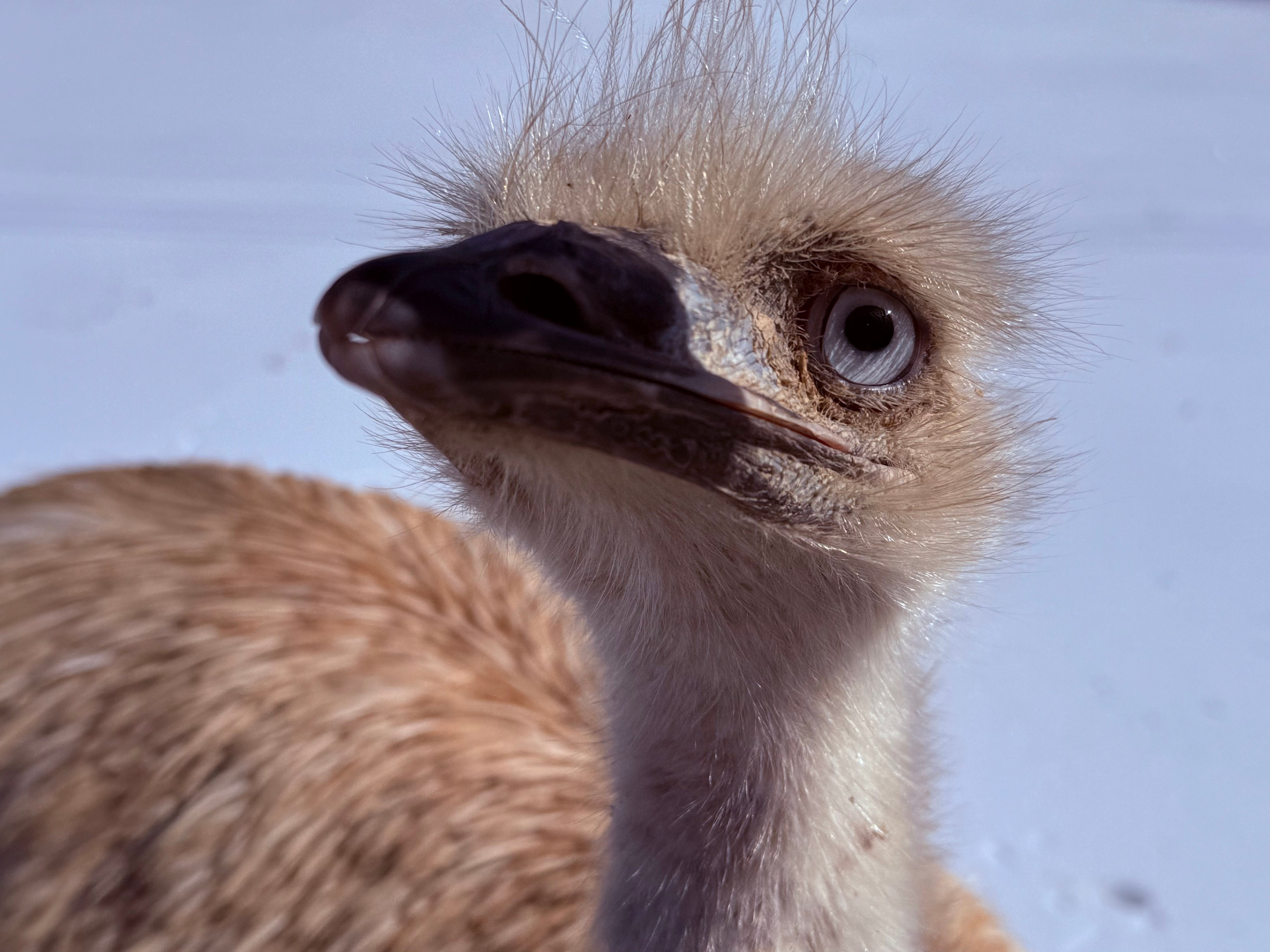
Well, the weather has been truly awful. Daytime temperatures have hovered around twenty degrees, sometimes less, and nights have dipped into the single digits. On top of that, we have ice layered over snow, which never melts. Ever. Walking to the car feels like an Olympic event, let alone feeding and watering all the animals without breaking a hip.
Gizmo the emu has officially confined herself to the run-in shed, having decided she does not want to literally break a leg on the ice. Frankly, she is not wrong. This means we now hand-carry a bucket of water across their icy pasture to the shed each day, where she has a proper straw bed and a clear expectation of room service.
Joey, the new emu, is not allowed inside. Gizmo has very strict visiting requirements, none of which Jooey currently meets. As a result, we have layered a separate area of the pasture with straw just for him. Yes, this also means hand-carrying water to his location every day as well.
So now we deliver water to two different emus, in two different locations, on ice, while being silently judged by both of them. Ah yes, the joys of farm life.
But enough complaining. Today, for the first time in over a week, the temperature is supposed to hit forty degrees (Fahrenheit). Forty! Practically tropical. The plan is to get out and ride while I still remember how my joints work.
Beyond the farm, we have been keeping extraordinarily busy. Between writing a new book, Robert’s work for the U.S. government, more scientific and policy writing, various business ventures, and frequent business travel, life has been anything but quiet. In February alone, we will be traveling 14 days and 12 nights, not including any last-minute trips to DC.
This week, we head to West Virginia for breakfast with the governor and his lovely wife, Denise, a big MAHA supporter and a friend of mine, and dinner with the West Virginia Secretary of Health. Next week it is Austin, Texas. The following week, we escape to Key West to celebrate our 47th wedding anniversary. At the end of the month, it is four days in Atlanta for the ACIP CDC meeting. Apparently, retirement was never part of the plan.
We're especially excited about Key West, since neither of us has ever been there before. I’ve booked a ticket for Kitty, the Pomeranian terrorist, for this trip. We fly into Miami, rent a car, and drive to Key West. We have one big adventure planned: on our anniversary, we’re renting a boat to go snorkeling on a reef in the underwater national park off Key West. As usual, we’ll be writing daily, just poolside.
Three out of the four trips this month are to southern states - so warm weather in February is much appreciated by me!
In the meantime, I have been doing a lot of cooking and planning for the spring gardens, which is my preferred way of pretending winter is almost over.
We currently buy two gallons of raw milk each week from a local farmer. It is Jersey cow milk, which means it is rich in butterfat. Translation: lots of cream. Translation of that: lots of butter.
One advantage of modern homesteading is access to a wide range of electric kitchen tools. For making butter in small batches, the KitchenAid mixer, or any high-powered mixer with a whisk, is hard to beat (no pun intended). There are vintage electric butter churns available on ebay and etsy, and some newer models on the market, but when it comes to ease, convenience, and noise level, nothing beats a good mixer.
To make butter from raw milk in a mixer is pretty simple:
Skim about a quart of cream off the milk, using either a small measuring cup or just use a turkey baster (the best way, IMO) - after the milk has been in the fridge and the cream has risen to the top of the jar.
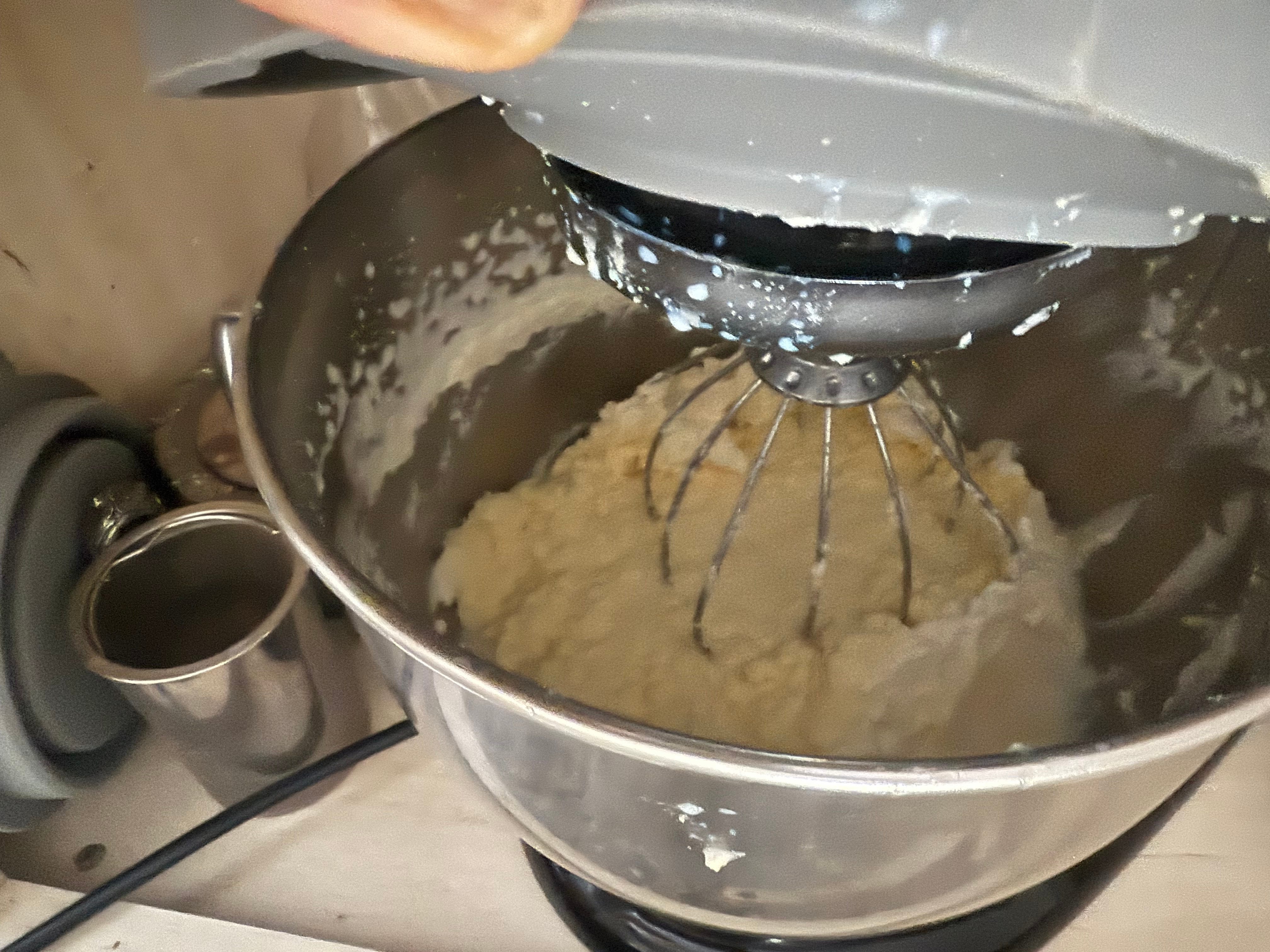
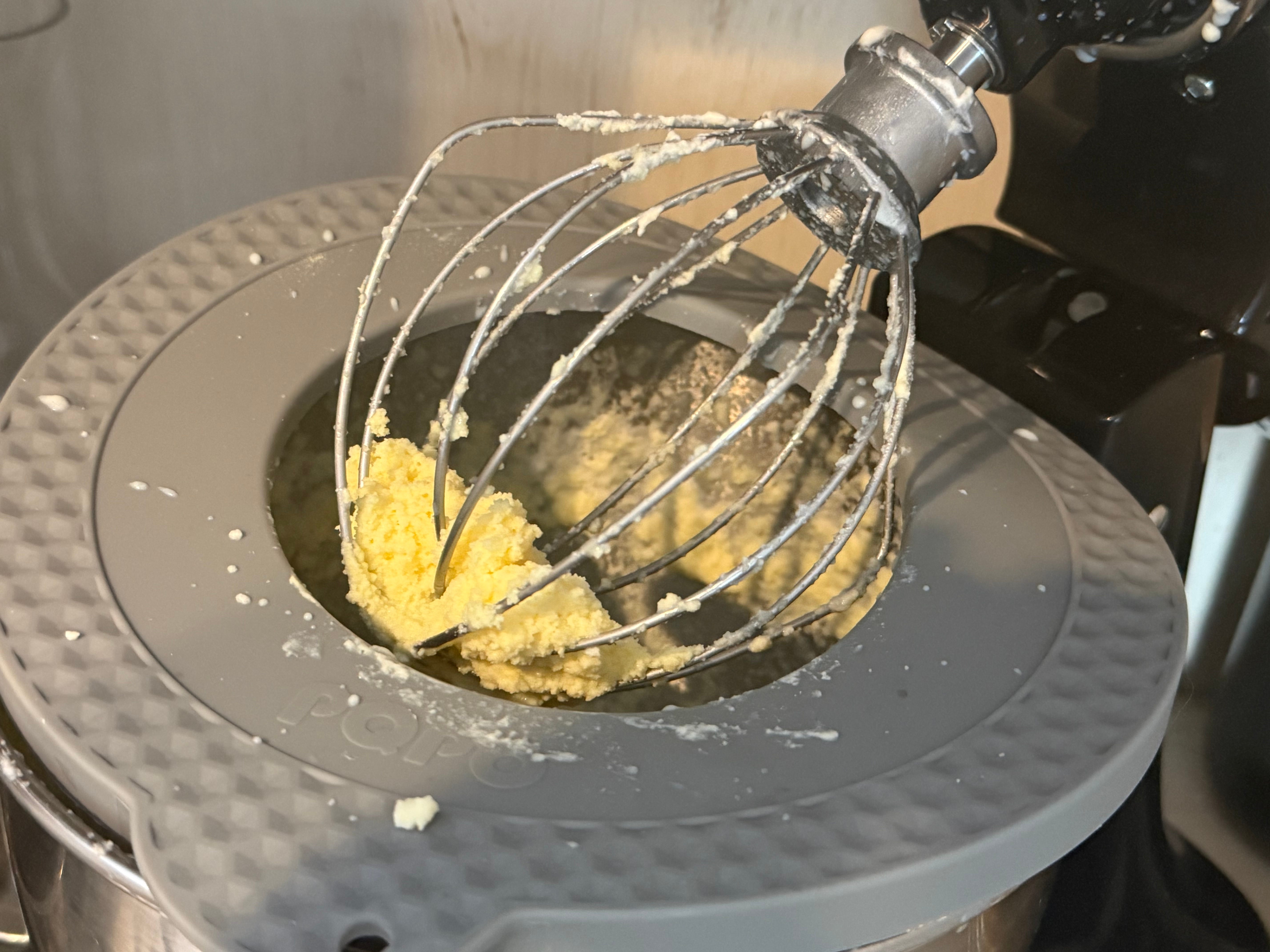
In a large bowl of a KitchenAid stand mixer using a whisk attachment, beat a quart of cream on high until cream separates into butter and liquid, about 10 minutes. Attach a splash guard to your stand mixer when making butter. I have a nice silicone one that I bought from Amazon, but a kitchen towel will also work for this purpose in a pinch.
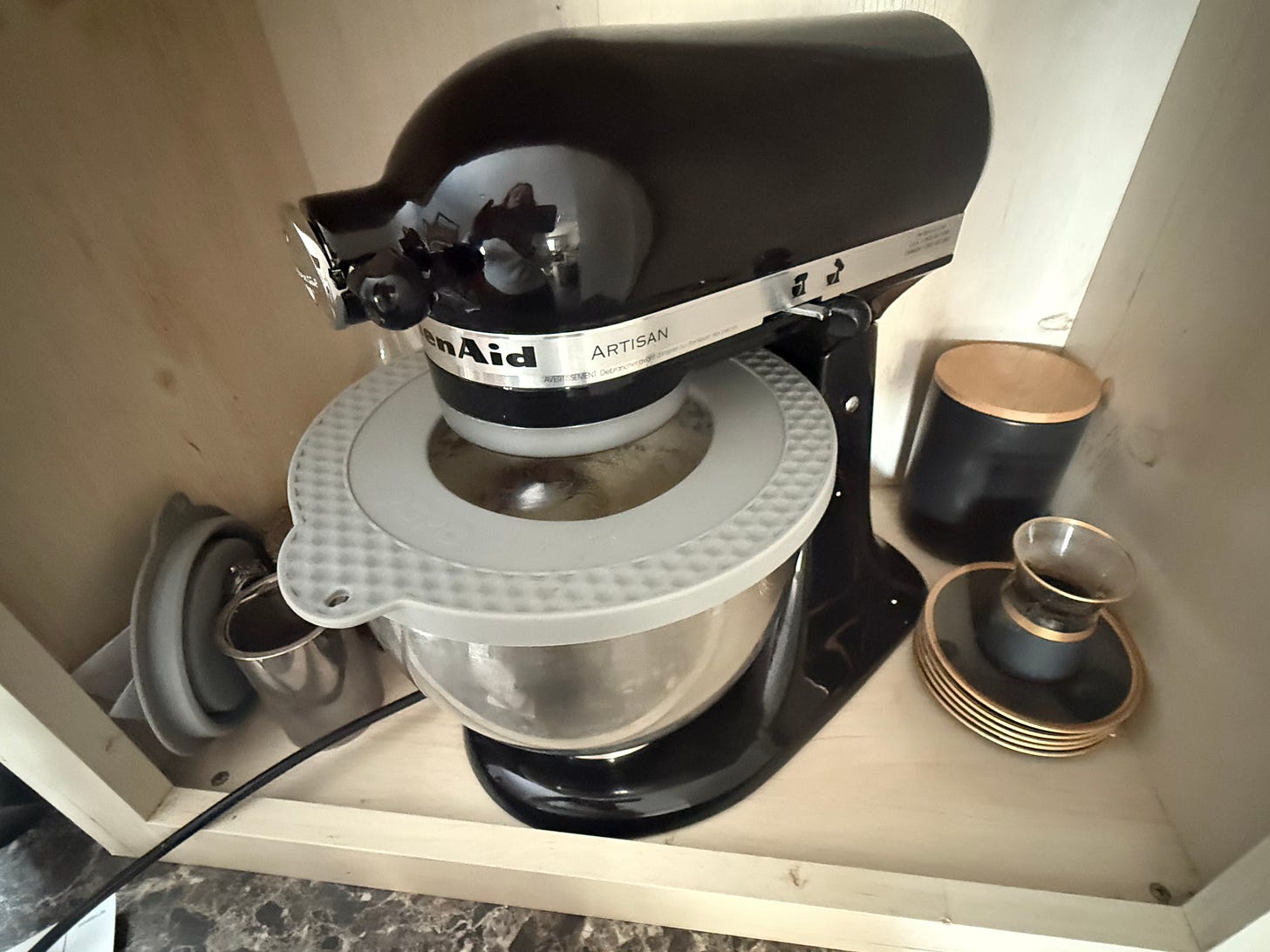
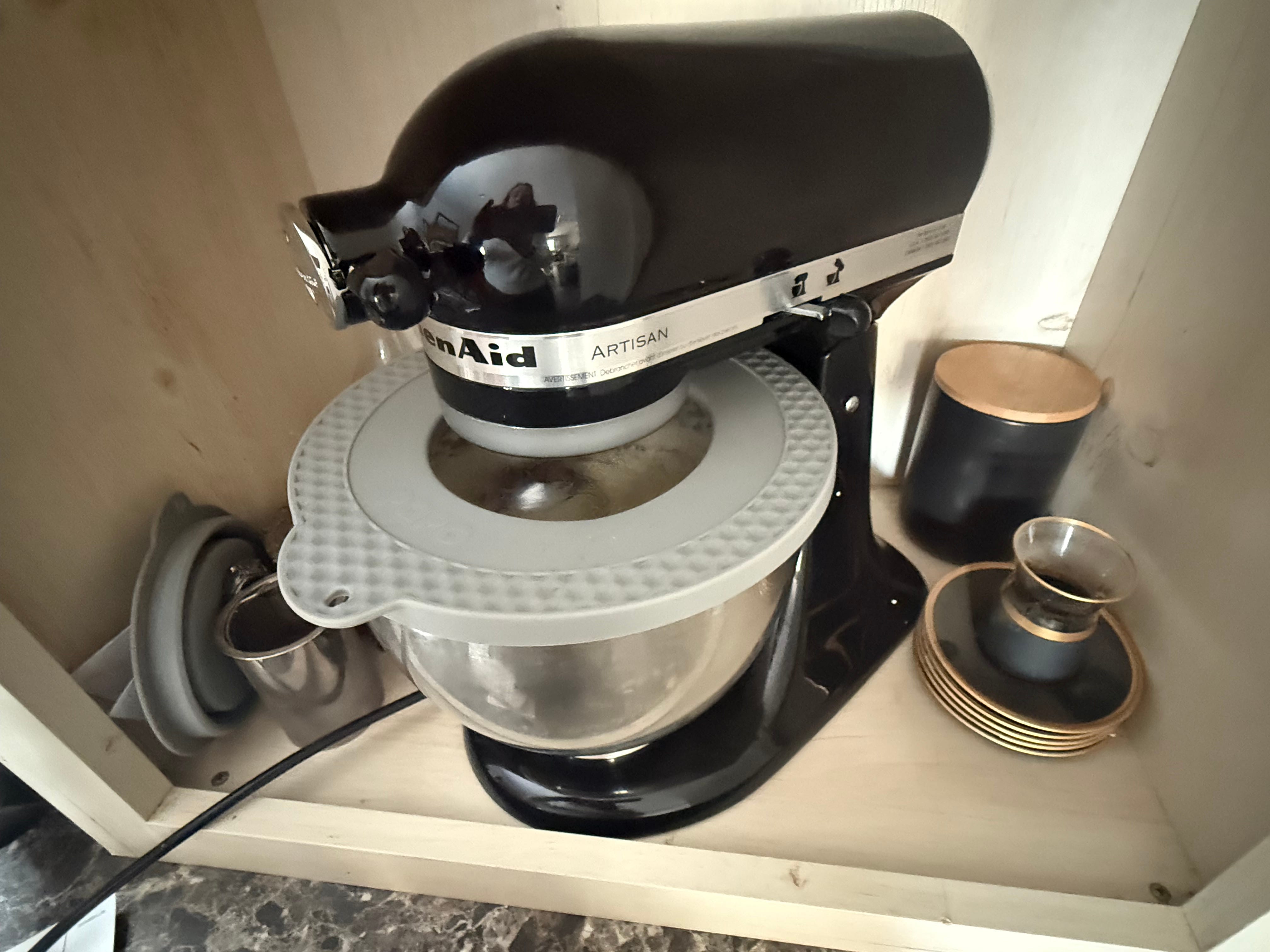
Mix on high. It takes about 10-12 minutes. Before it turns into butter, it first becomes whipped cream. I like to stop the mixer about 3/4 of the way through, then take a spatula to the sides of the bowl - that way, all the cream gets incorporated. That is when having a guard is really handy - as that stuff flies everywhere!
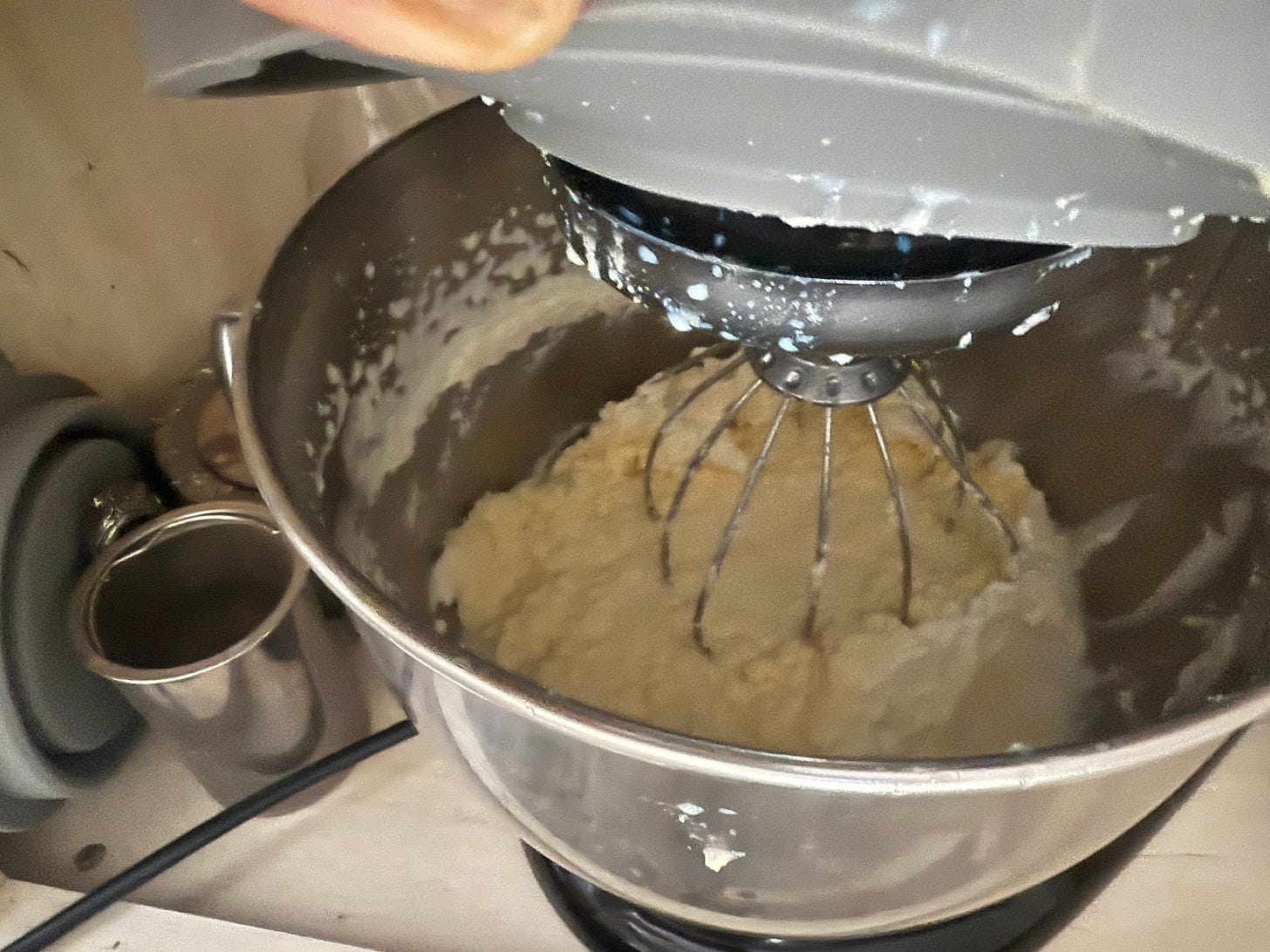
Toward the end of separating, slow the mixer down, one level at a time. This will help pick up all the small pieces of butter remaining in the liquid.
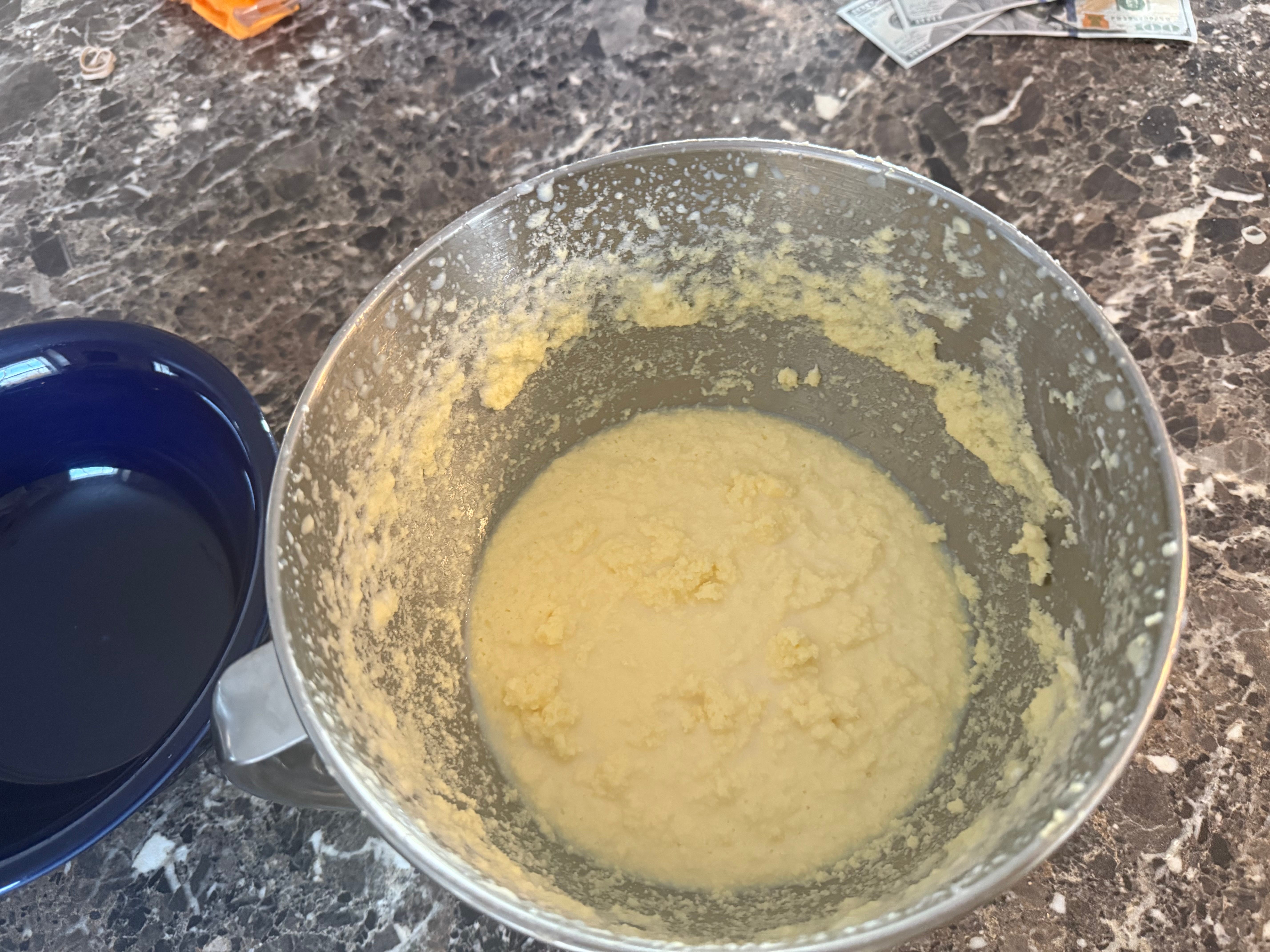
When the watery milk (basically non-fat milk, but people often call it buttermilk) has separated from the butter, it looks like this
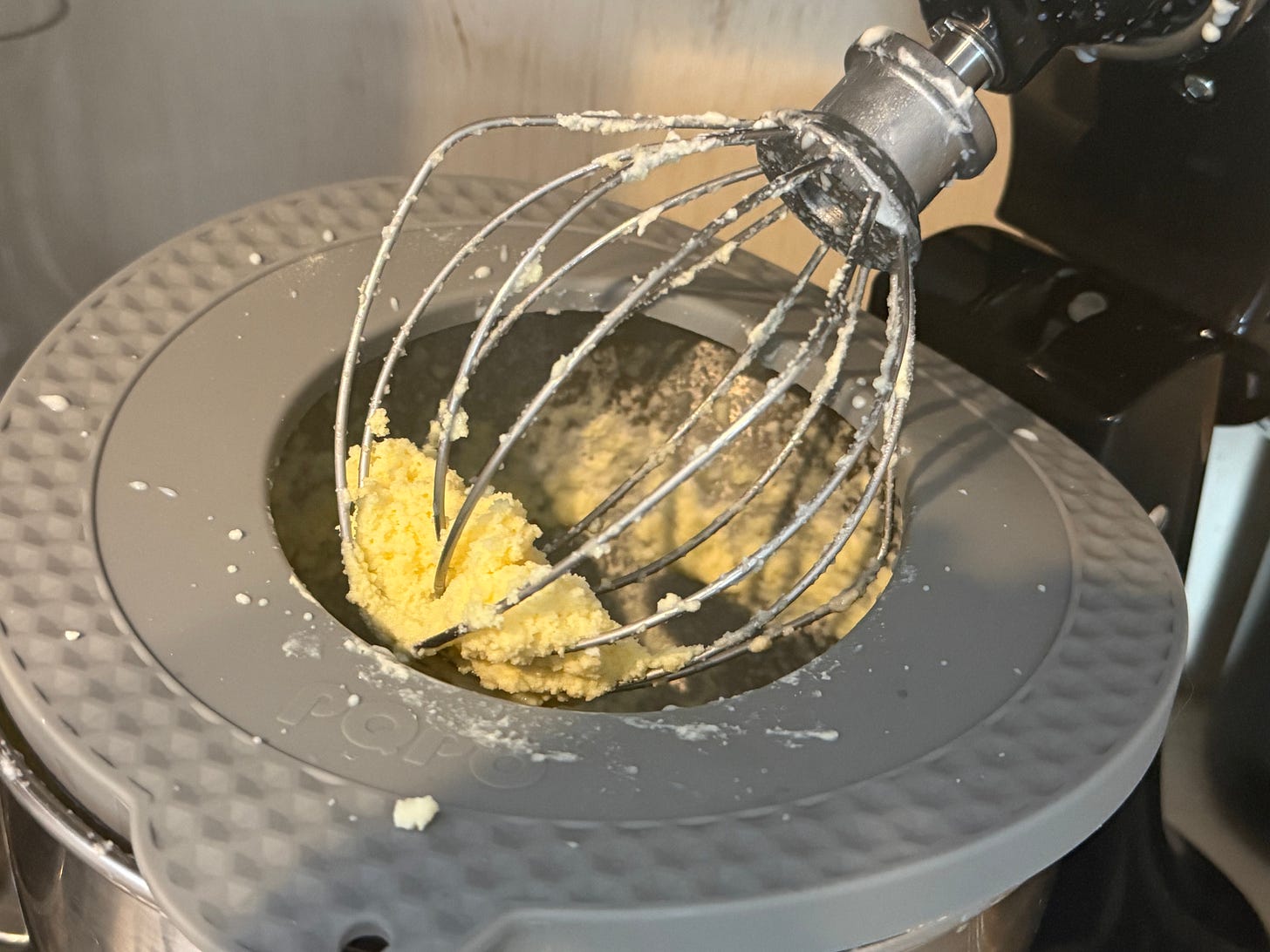
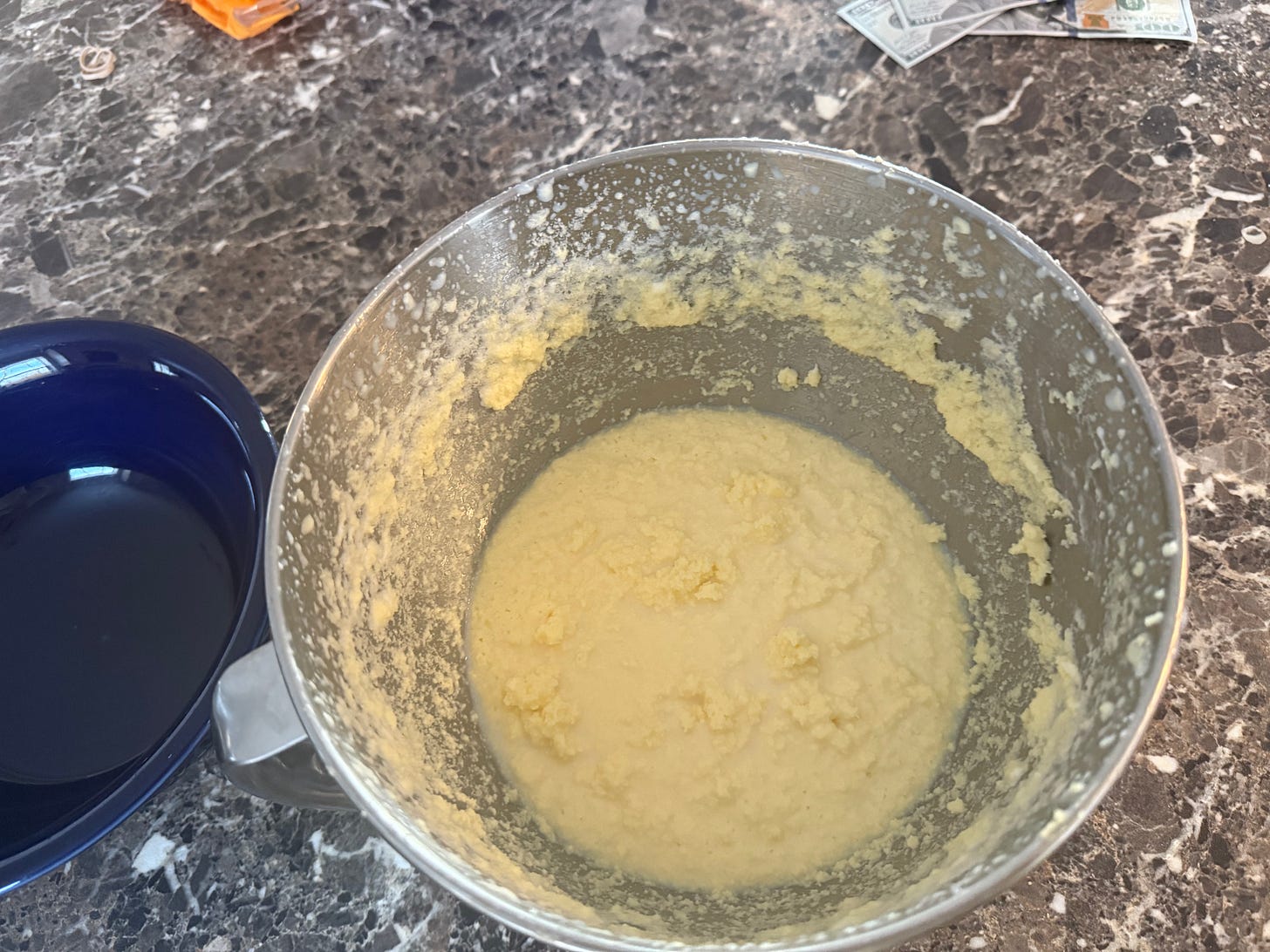
Now it is ready to process.
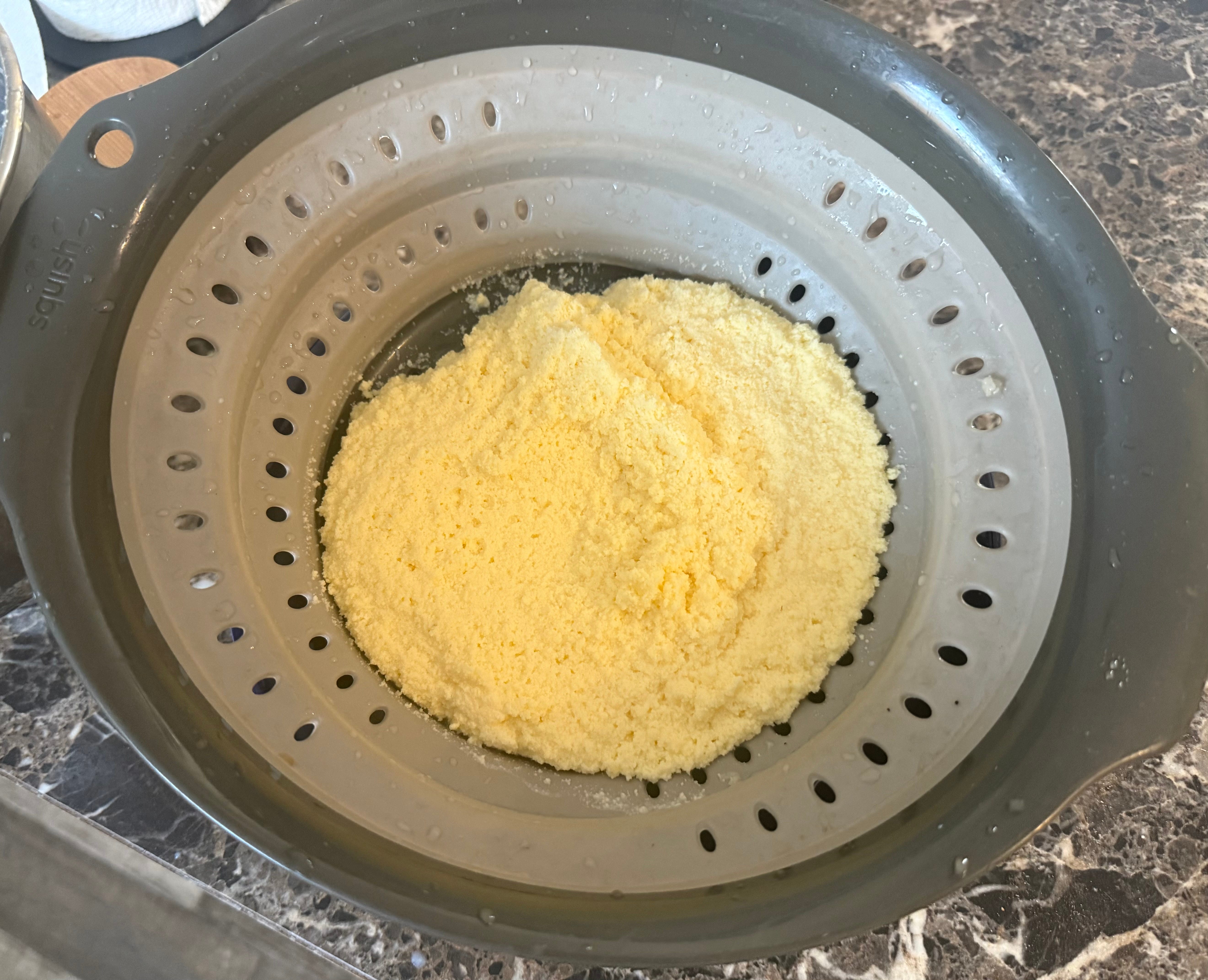
Using either a colander or a cheesecloth, drain the buttermilk into a jar or bowl. I prefer a colander, as the butter bits can stick to cheesecloth. We use buttermilk as a topper for dog food, but there are other uses, too. Note that store-bought buttermilk has been cultured, so it is not the same and is not suitable for recipes that call for buttermilk.
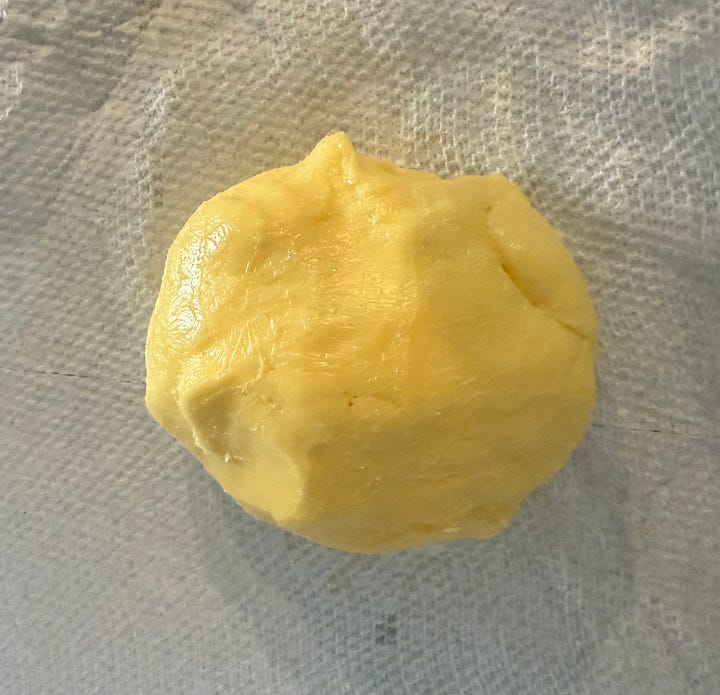
This is what the butter looks like once drained of the excess milk.
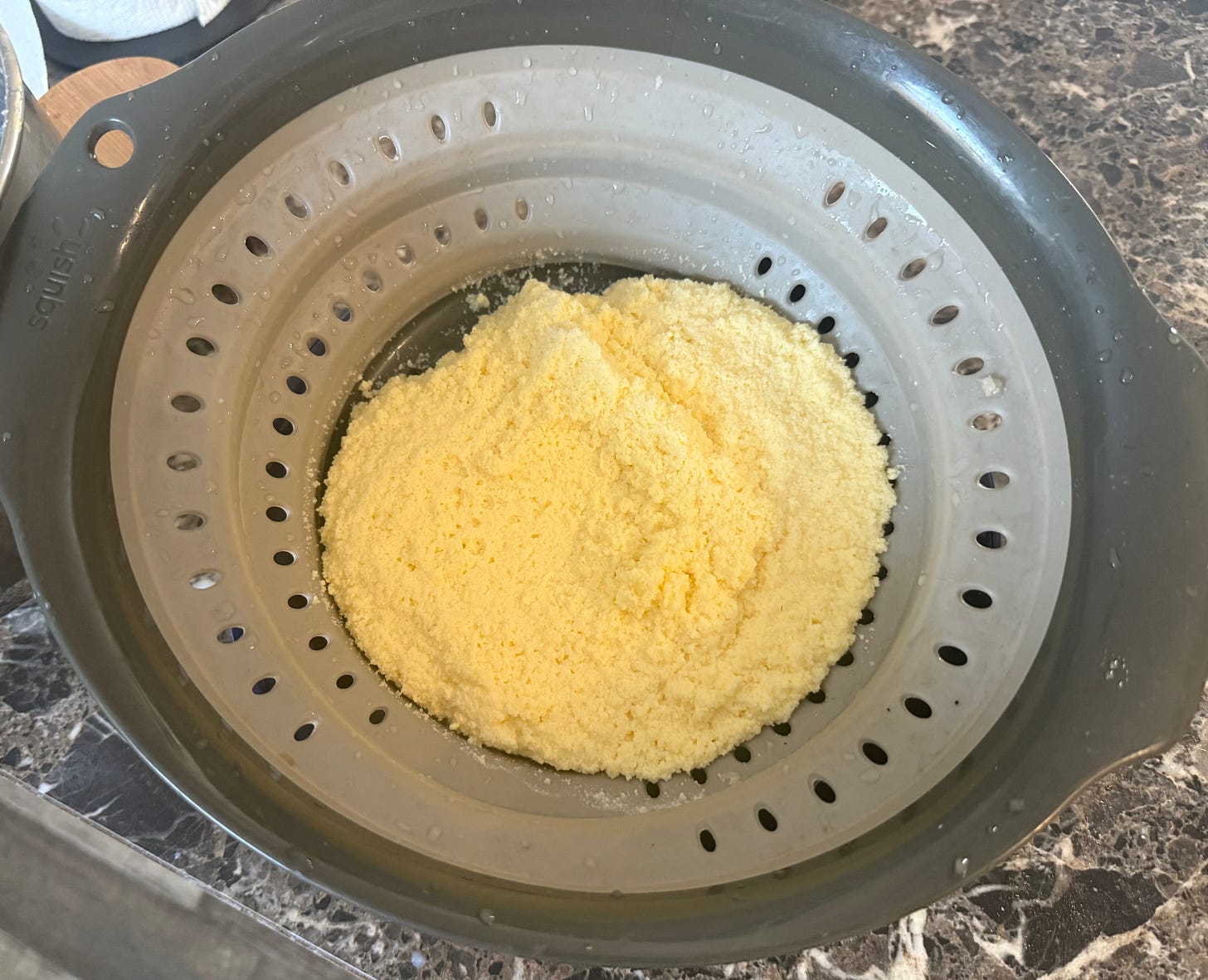
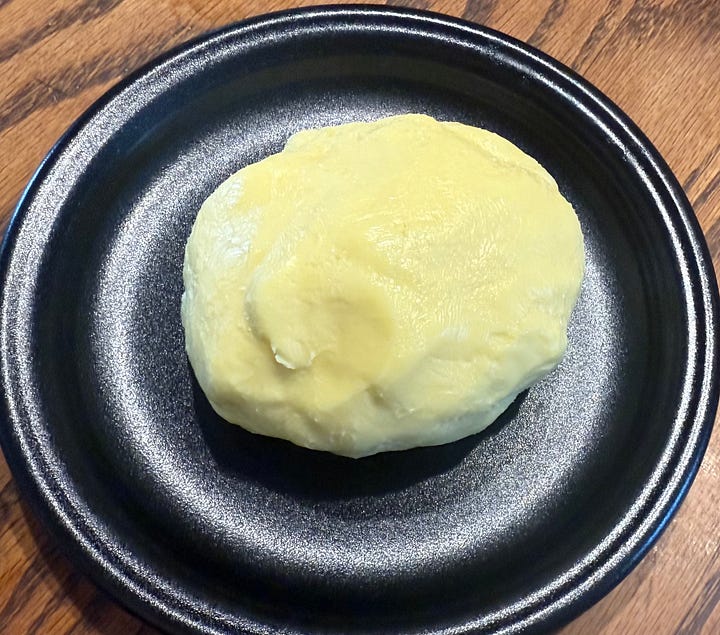
Next, use your hands to mash the butter together. Then, while it is still in the colander to prevent losing any butter, rinse it under cold tap water and knead the butter under the running water, until the water runs completely clear. If you don’t rinse well, the butter will sour much faster because these milk solids (most likely proteins) can spoil quickly.
Then salt the butter to taste, mixing the salt in well with your hands - note that it is really easy to over-salt butter. A pound of butter requires slightly less than one-half teaspoon of salt.
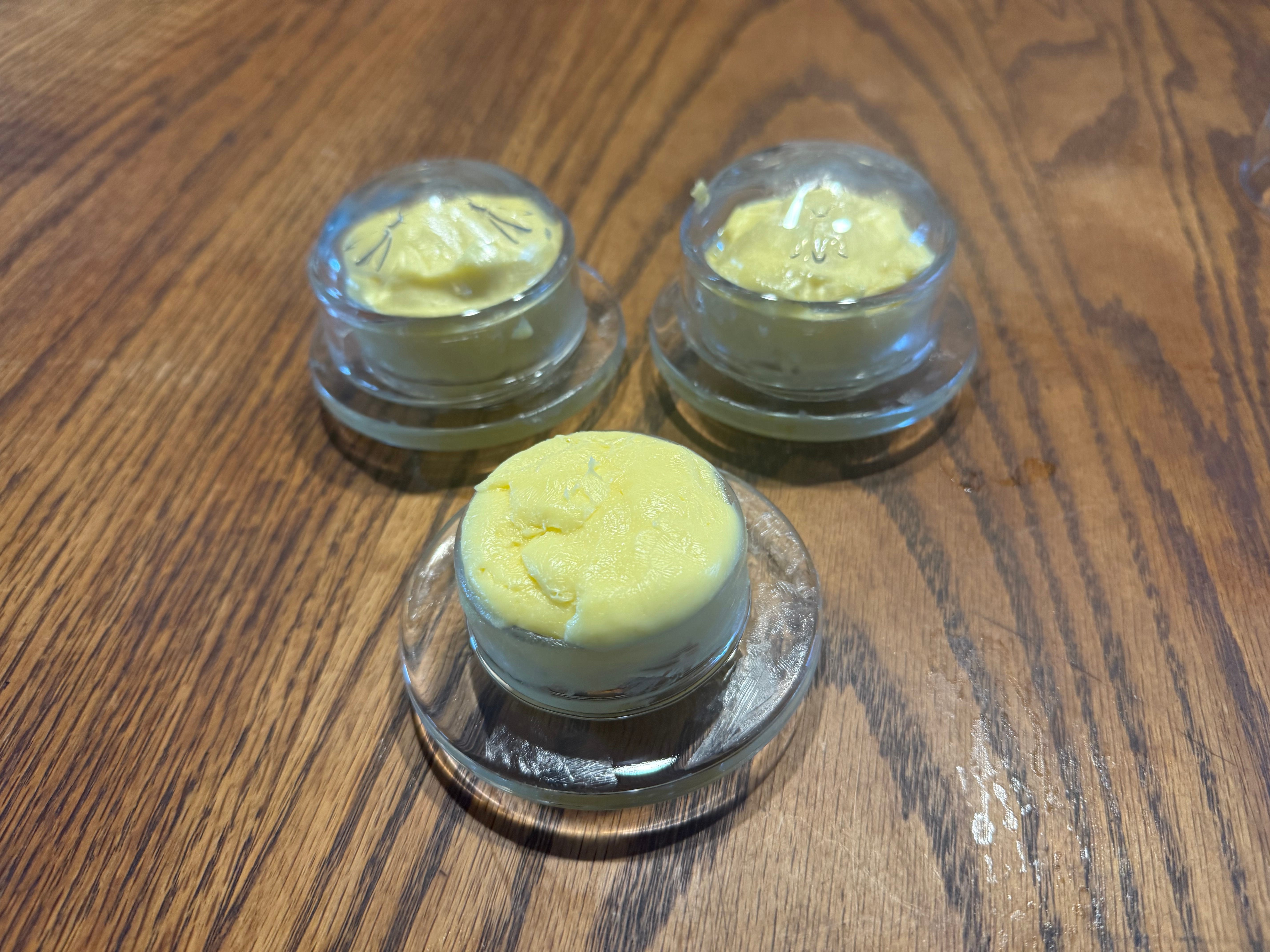
Finally, form or put into a butter mold or dish.
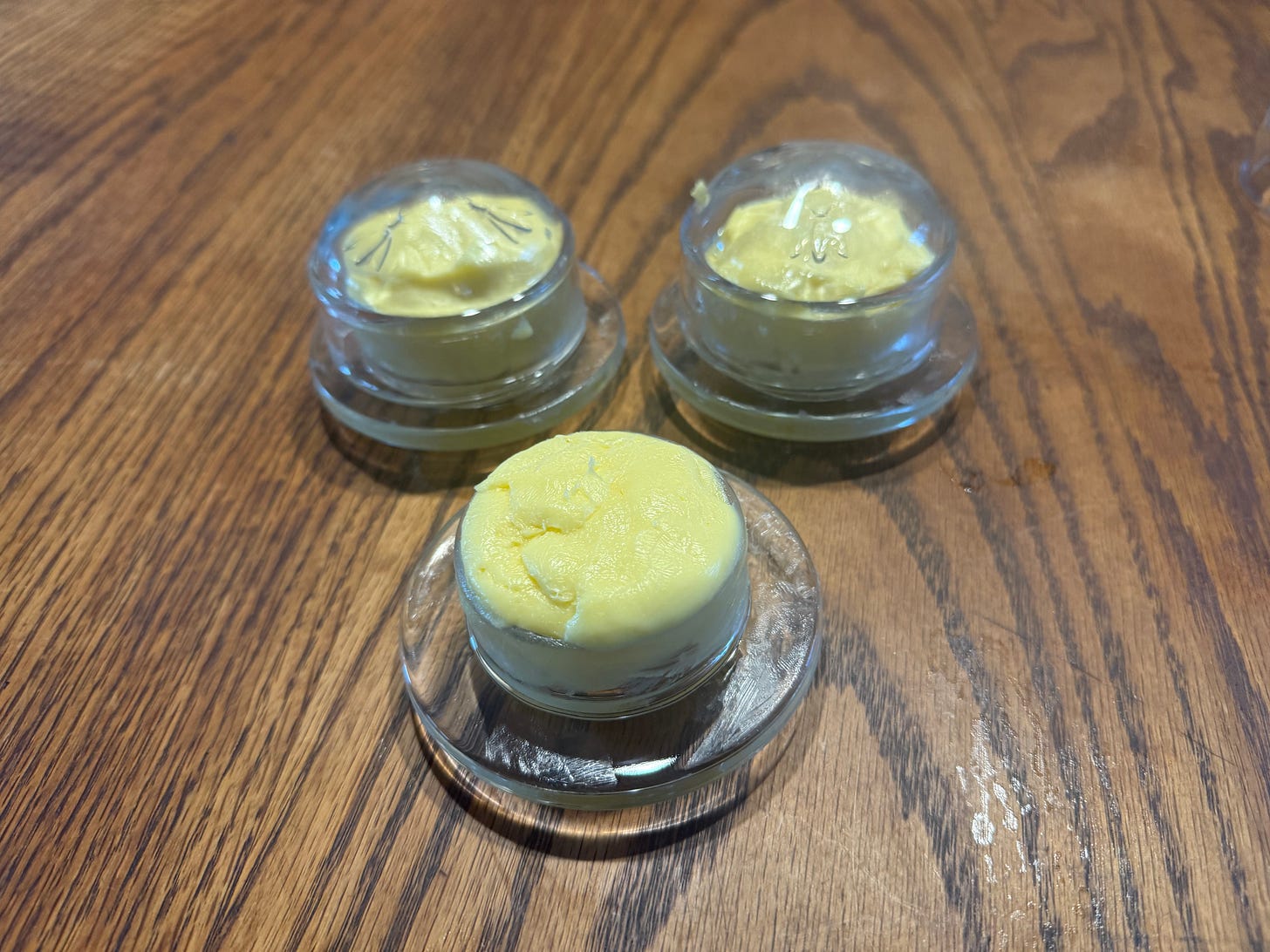


So that is it, really easy and fast.
Another step forward toward becoming more self-sufficient and less dependent on the dairy-processed food industry!
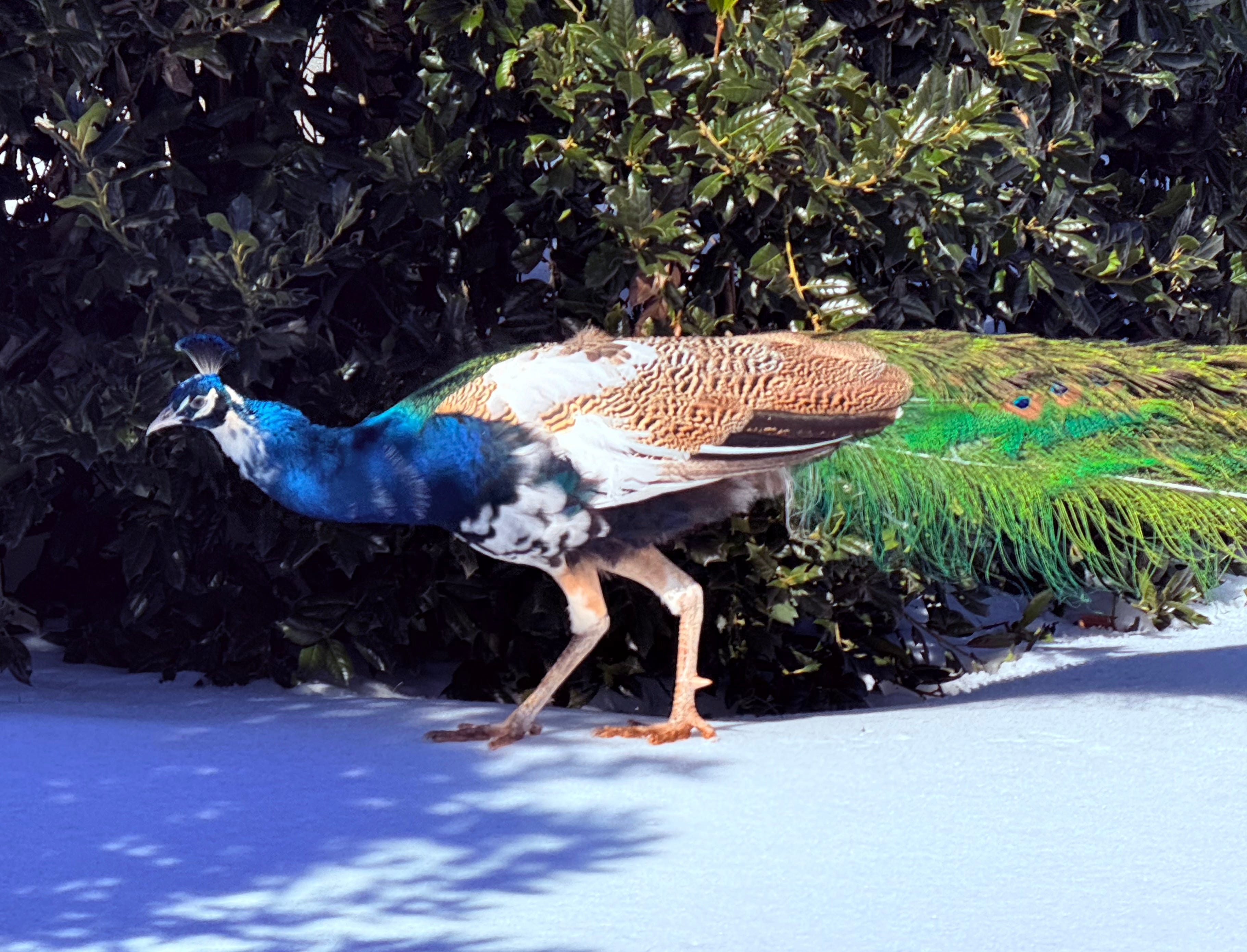
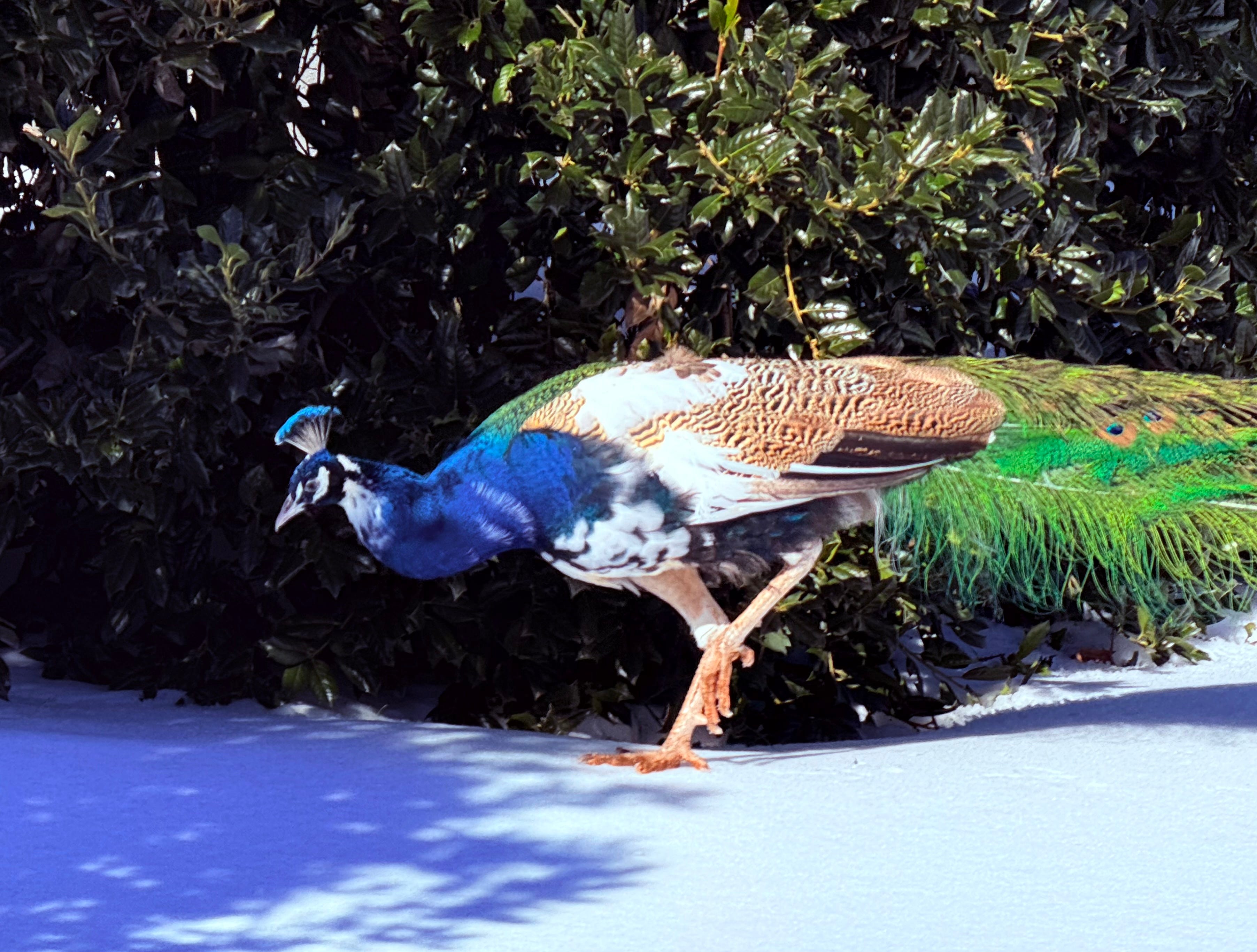
Prince Caspian, the peacock, has let it be known that he hates ice more than any creature alive, even more than those blue-haired liberals living in Minneapolis.
I grew up helping grandma churn the milk to make butter. We had a large crock with a wood cover that fit over the paddle. My job was to operate the paddle until she checked to see if the butter was ready. Watching her form the round shape and placing it on the round butter dishes with decorative covers was interesting. She always completed her works of art using a small wooden paddle/spoon to make designs on top of the ball of butter. Funny how we remember the smallest things our elders allowed us to participate in on the farm.
Loved the comment under Prince Caspian’s picture! It made my day start with a good, long laugh! Thank you!