

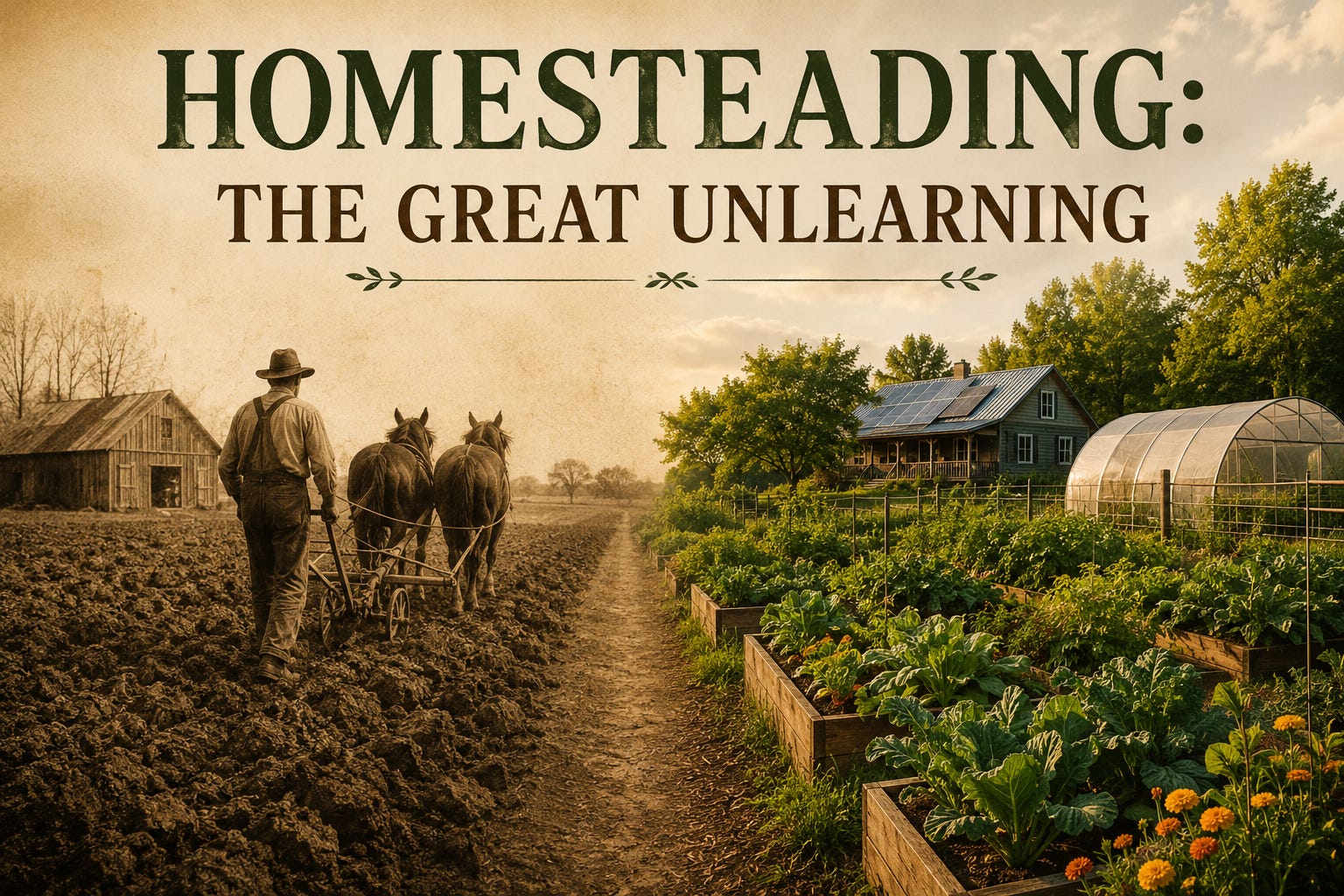
An excerpt from our book Homesteading for Health
Audio Version:
The Great Unlearning
At the turn of the twentieth century, scientific interest in soil biology was near its peak. There were volumes written about earthworms, their life cycle, how they transform soil into a living system, and how to harness their quiet labor. This was not fringe science. Charles Darwin himself published a major work on earthworms in 1881, helping to spark broader scientific study of soil organisms. One could walk into a library and find entire shelves devoted to the subject.
Much of that knowledge has since faded from common use, like the topsoil that once blew across our Great Plains. This is a kind of modern unknowing. Knowledge not entirely lost but set aside. Forgotten in practice, if not in record. Left to gather dust alongside the hardbound journals and books of another era. Some of those old manuscripts have been lost over time, as libraries deaccessioned collections in the march toward modernization.
Likewise, the study of zoology, once broad and immersive, has narrowed in our institutions. It once encompassed the full sweep of animal life, from vertebrates down to the smallest visible creatures. Today, much of that hands-on, whole-organism study has faded from view.
No longer do rows of specimens in jars line the shelves of the biology classroom. The old, tactile way of learning the natural world has largely been replaced. And those sweeping, popular works on the life cycle of the earth, once a staple of science education, have mostly slipped from everyday reading.
Now, bagged mulch and compost line the shelves of home improvement stores, marketed as cure-alls for soils long stripped of life in suburban backyards across America. Then come the supplements, algae extracts, fish emulsions, and more, sold as quick fixes for soil regeneration.
Meanwhile, the tried-and-true methods of the past are often wrapped in layers of jargon and complexity. Carbon sequestration, microbial amendments, branded systems, and organic pesticides, which in the end are still pesticides. Enough to turn away all but the most devoted.
The no-nonsense ways of the past have been crowded out by a mix of commercialism, input-driven agriculture, and a growing class of paid experts. Too often, what gets lost is the simple truth. Restoring soil is not a one-and-done proposition. It is something gardeners and farmers must tend year after year.
There is no cure-all. This is a long game. A commitment for life…
Putting This Together
Soil is not an input. It is not something you buy in a bag, fix with a supplement, or correct with a single season of effort. It is a living system that responds to what you do, and just as importantly, to what you stop doing.
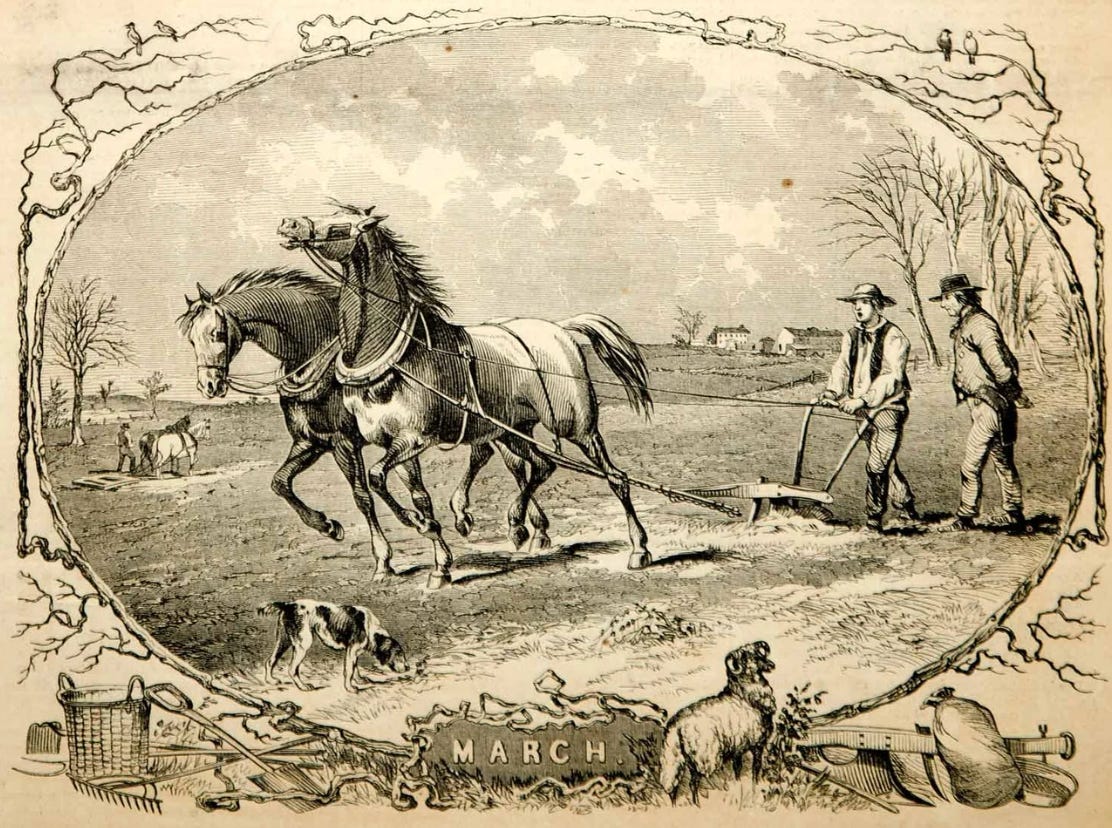
The old farmers also understood this, even if they did not use the language we use today. They planted to protect the ground. They rotated crops. They let roots do the work. They paid attention to water, slope, and season. And they stayed with it
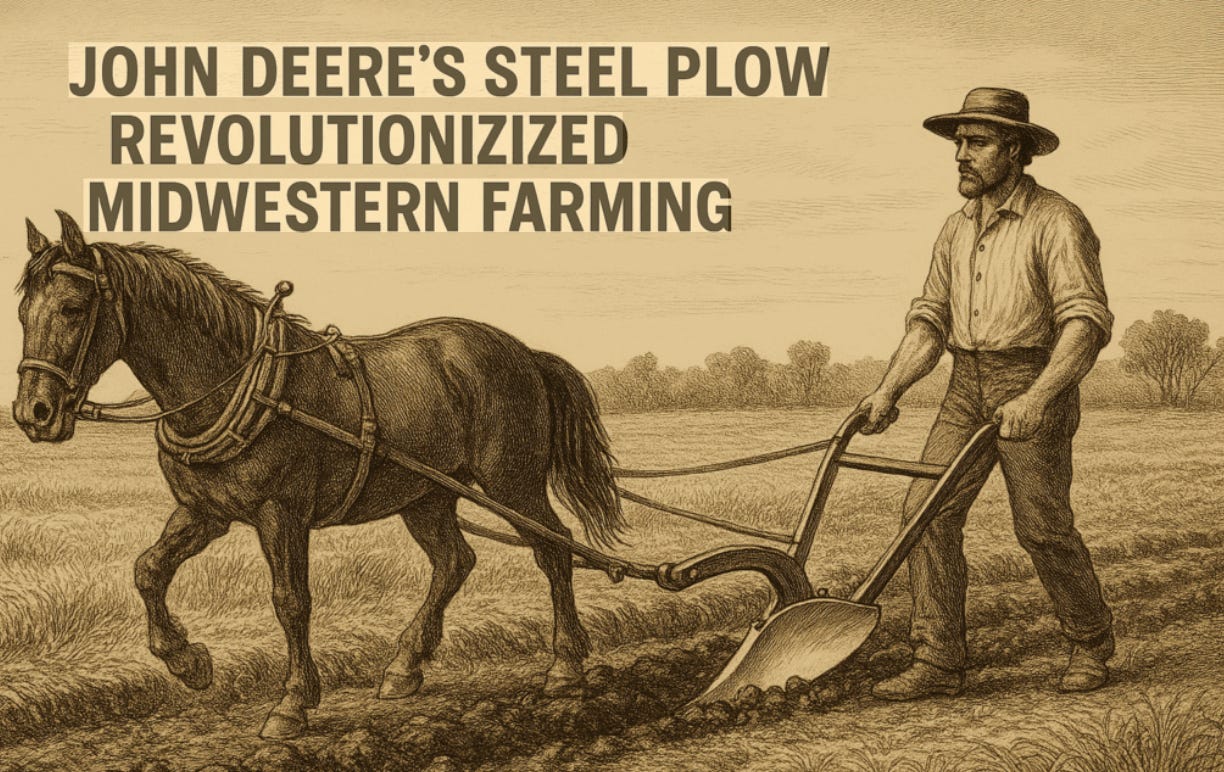
We have, in many ways, unlearned those habits. We have replaced them with products, prescriptions, and the expectation of quick results. But the soil does not care about any of that. It responds to time, biology, and stewardship.
If there is a way forward, it is not new. It is a return. A return to keeping the ground covered. To feeding the soil, not just the plant. To using living roots as the primary tool. And to accepting that this is not a project with an end date. It is a practice. And it is stewardship of our (and our children’s) future. Season after season. Year after year.
By: JGM/RWM
Cultivators of the earth are the most valuable citizens. They are the most vigorous, the most independent, the most virtuous, and they are tied to their country and wedded to its liberty and interests by the most lasting bonds.
—Thomas Jefferson, letter to James Madison, December 20, 1787
To read more or listen to the audio book, go to:

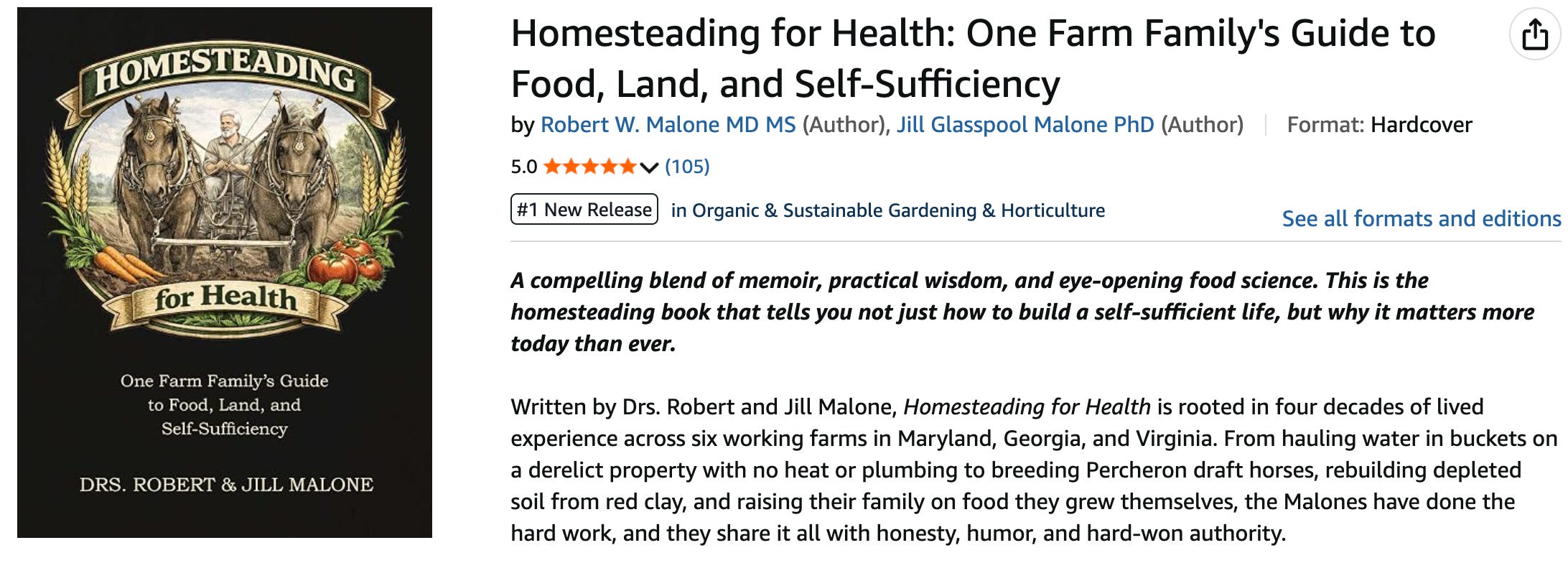
Homesteading for Health: One Farm Family’s Guide to Food, Land, and Self-Sufficiency is available from:
Amazon
Barnes & Noble
Target
Walmart
Books-A-Million
BookPal
Skyhorse Publishing
Independent booksellers
Digital editions can be purchased through Apple Books, Barnes & Noble, Google Play, and Kobo.
The audiobook, personally narrated by Robert Malone, is available through Amazon and Audible
Photos and engravings from the past:
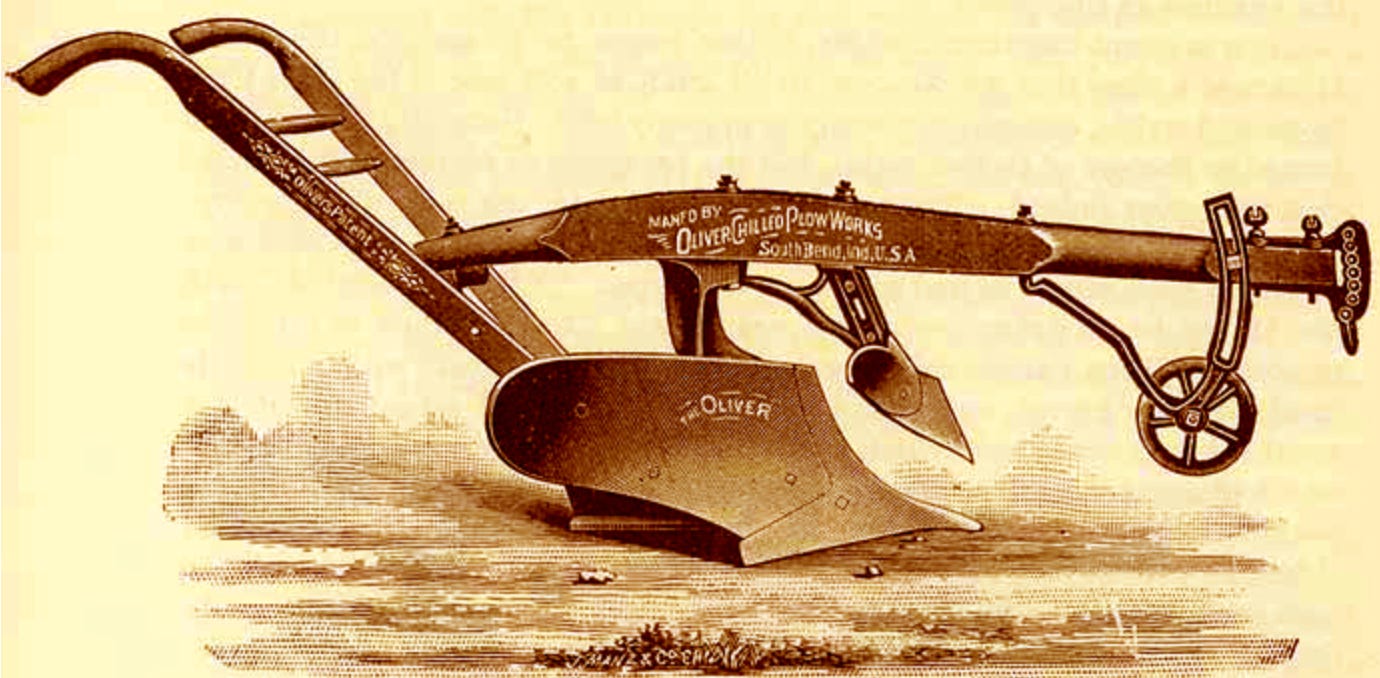
The “chilled plow” by James Oliver, South Bend, Ind., was designed to replace wooden plows with a metal mouldboard that would scour in any soil and last a lifetime. Oliver spent years in experimenting with chilled metal (drenched in cold water after casting to increase strength). Otherwise known as tempering.
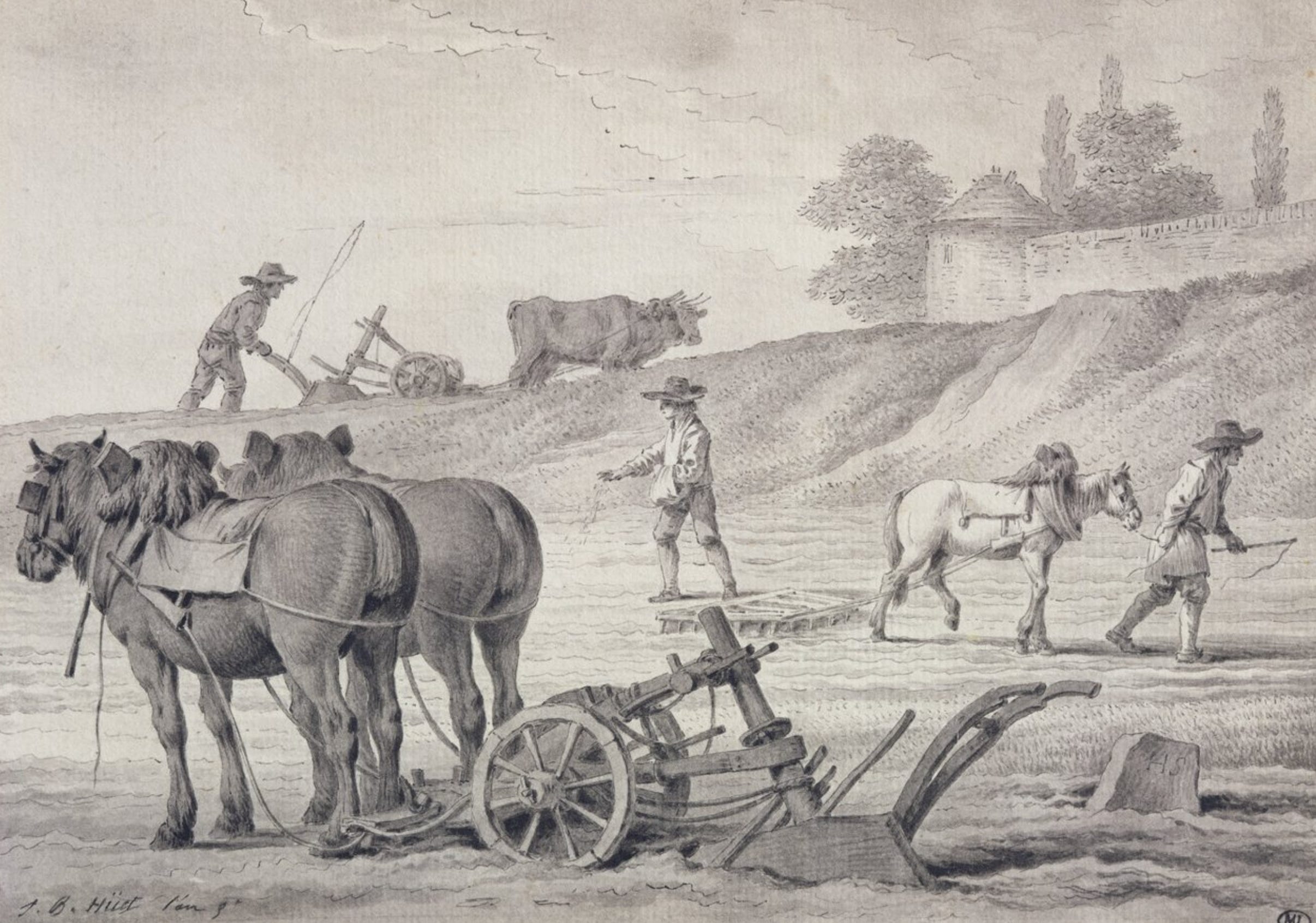
Ploughing the Fields by Jean-Baptiste Huet, 18th century
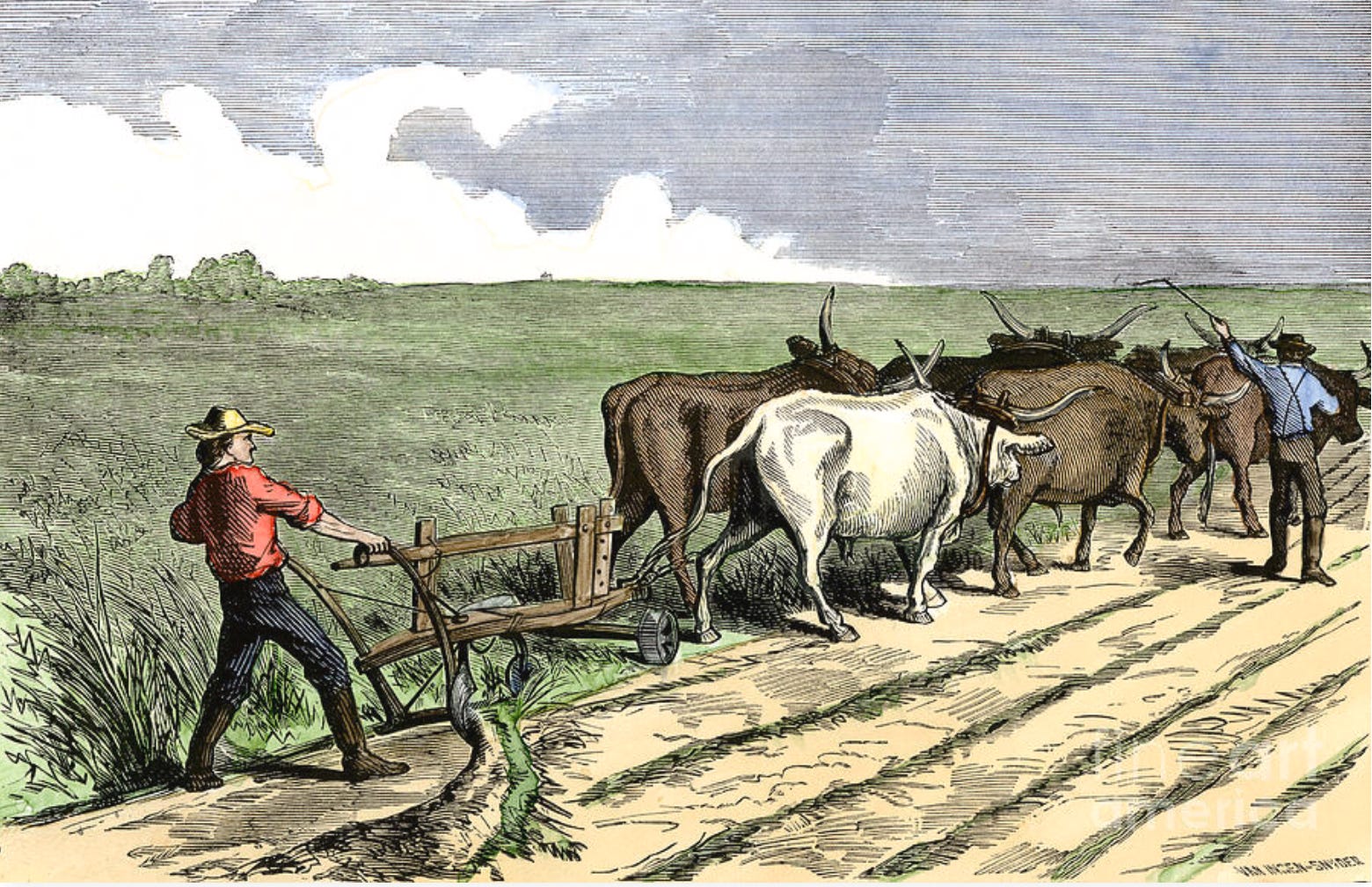
‘The settlement/westward expansion of the American West”, 19th century engraving.
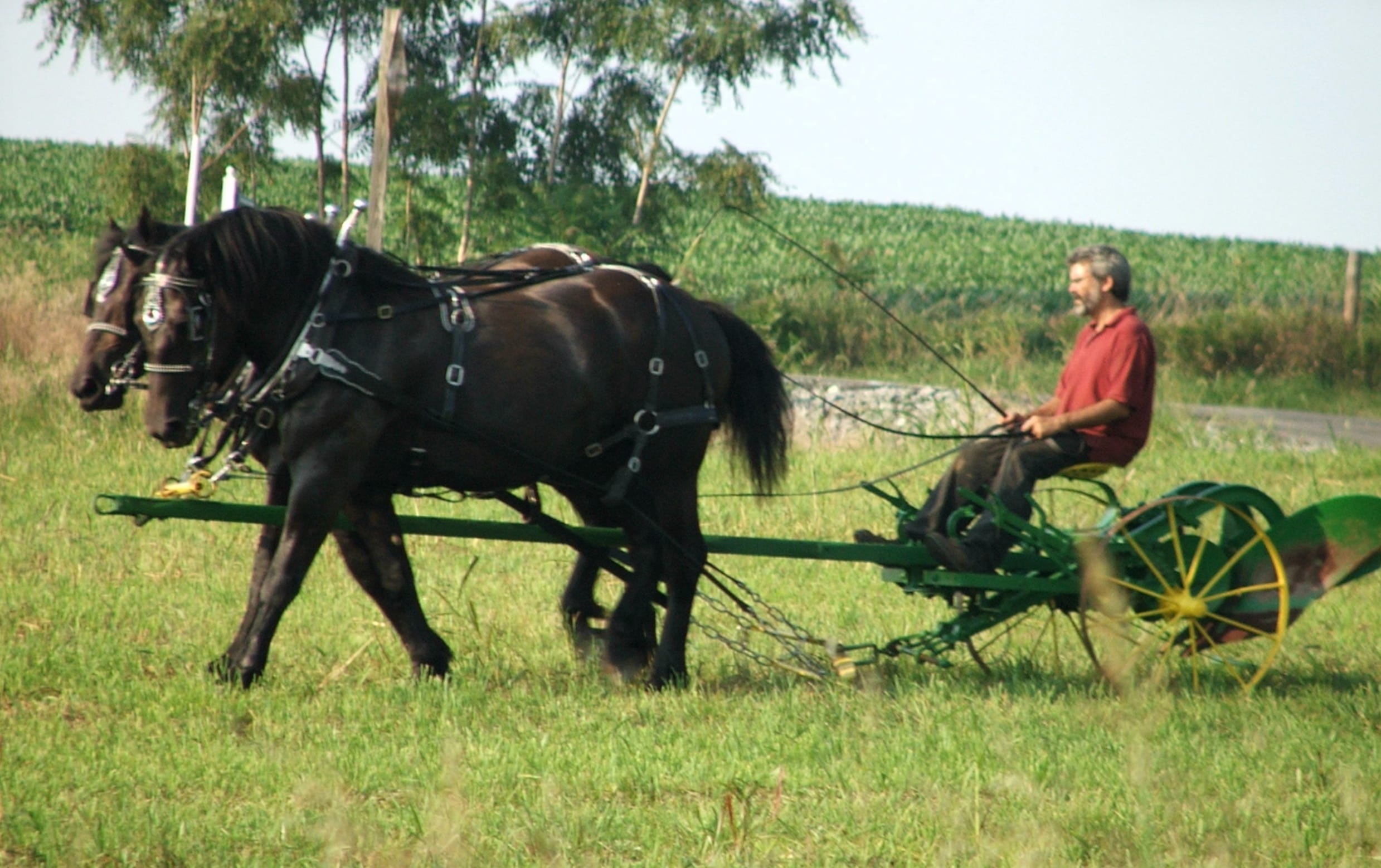
Robert and our team of Percherons, circa 2004

Everyone wants a quick fix—fast food prep, fast internet, fast medicine for our ills. Corporate farms aren’t concerned with the life of the soil, just the production of as many bushels per acre as possible.
In 1970 we had a neighbor who was keenly interested in organic processes and promoted “WonderLife” products—he was both way ahead of his time and was a bounce back to healthier practices. My brothers have followed his footsteps in organic farming and are now producing specialty grains on living soil. No pesticides, no desiccants, AND getting bountiful harvests—It takes time!
I can not think of anyone better than Joel Salatin of Polyface farms to explain the dynamics of soil as a living organism. Last weeks event was well worth the time and effort. Between the Chemical industry and the Drug industry, in tandem they are poisoning the soil and the all living things. They can not see beyond their bottom line. I look out on my backyard and watch the squirrels and birds enjoy the food that the soil provides.