

By JGM
The problem with regenerative gardening or farming is that results don’t happen overnight. Building soil that can truly sustain life takes time. Years, sometimes decades, especially if you are trying to restore many acres.
This is why, for the home gardener, raised beds with clear borders are such a gift. You are, in effect, creating a controlled system in which soil can be built up faster while being protected from soil erosion and water runoff.
On older farms, trees and hedgerows along the edges of pastures and cropland served a similar purpose. They acted as windbreaks and slowed water, reducing both erosion and the loss of topsoil downstream. Farmers working hillsides often terraced them when gardening intensively, another practical way to hold soil in place.
There were other simple, time-tested methods. Shallow basins to catch and hold water. Soil berms to slow runoff. All designed to keep water where it falls, and soil where it belongs.
And beneath it all, the real work was biological. Organic matter anchored into the soil. Bacteria and mycelial networks threading through it, helping bind structure and retain nutrients. Even earthworms, quietly tunneling, improving aggregation, aeration, and water infiltration, stitching the soil together from below.
The Great Unlearning
At the turn of the 20th century, scientific interest in soil biology was near its peak. There were volumes written about earthworms. Their lifecycle, how they transform soil into a living system, and how to harness their quiet labor. This was not fringe science. Charles Darwin himself published a major work on earthworms in 1881, helping to spark broader scientific study of soil organisms. One could walk into a library and find entire shelves devoted to the subject.
Much of that knowledge has since faded from common use, like the topsoil that once blew across our Great Plains. This is a kind of modern unknowing. Knowledge not entirely lost, but set aside. Forgotten by practice if not by record. Left to gather dust alongside the hardbound journals and books of another era. Some of those old manuscripts have been lost over time, as libraries deaccessioned collections in the march toward modernization.
Likewise, the study of zoology, once broad and immersive, has narrowed in our institutions. It once encompassed the full sweep of animal life, from vertebrates down to the smallest visible creatures. Today, much of that hands-on, whole-organism study has faded from view.
No longer do rows of specimens in jars line the shelves of the biology classroom. The old, tactile way of learning the natural world has largely been replaced.
And those sweeping, popular works on the lifecycle of the earth, once a staple of science education, have mostly slipped from everyday reading.
Now, bagged mulch and compost line the shelves of home improvement stores, marketed as cure-alls for soils long stripped of life in suburban backyards across America. Then come the supplements. Algae extracts, fish emulsions, and more, sold as quick fixes for soil regeneration.
Meanwhile, the tried and true methods of the past are often wrapped in layers of jargon and complexity. Carbon sequestration, microbial amendments, branded systems, and organic pesticides, which in the end, are still pesticides. Enough to turn away all but the most devoted.
The no-nonsense ways of the past have been crowded out by a mix of commercialism, input-driven agriculture, and a growing class of paid experts. Too often, what gets lost is the simple truth. Restoring soil is not a one-and-done proposition. It is something gardeners and farmers must tend year after year.
There is no cure-all. This is a long game. A commitment for life.
Cover Crops
Cover crops have long been used to hold soil and water, and to build a living community beneath the surface. Winter rye, collards, and mustard greens in more temperate regions, along with vetch, clover, daikon radishes, and turnips, are all commonly used.
In the South, where we used to live, planting collards in the fall was almost a ritual among the old-timers. Kitchen gardens and small truck farms would come alive with a swath of green by November. These same farms might grow peanuts through the summer, with a roadside stand out front selling boiled peanuts, a Southern staple. Even today, this remains common practice in parts of rural Georgia and across the South.
There are cover crops suited for summer and others for winter. Knowing how and when to use them is critical to building healthy soil and a resilient garden. Many of these cover crops are paired with each other. Grasses for structure, tubers for soil-busting capabilities, and legumes for nitrogen fixing.
Below is a run-down on some of the more common cover crops:
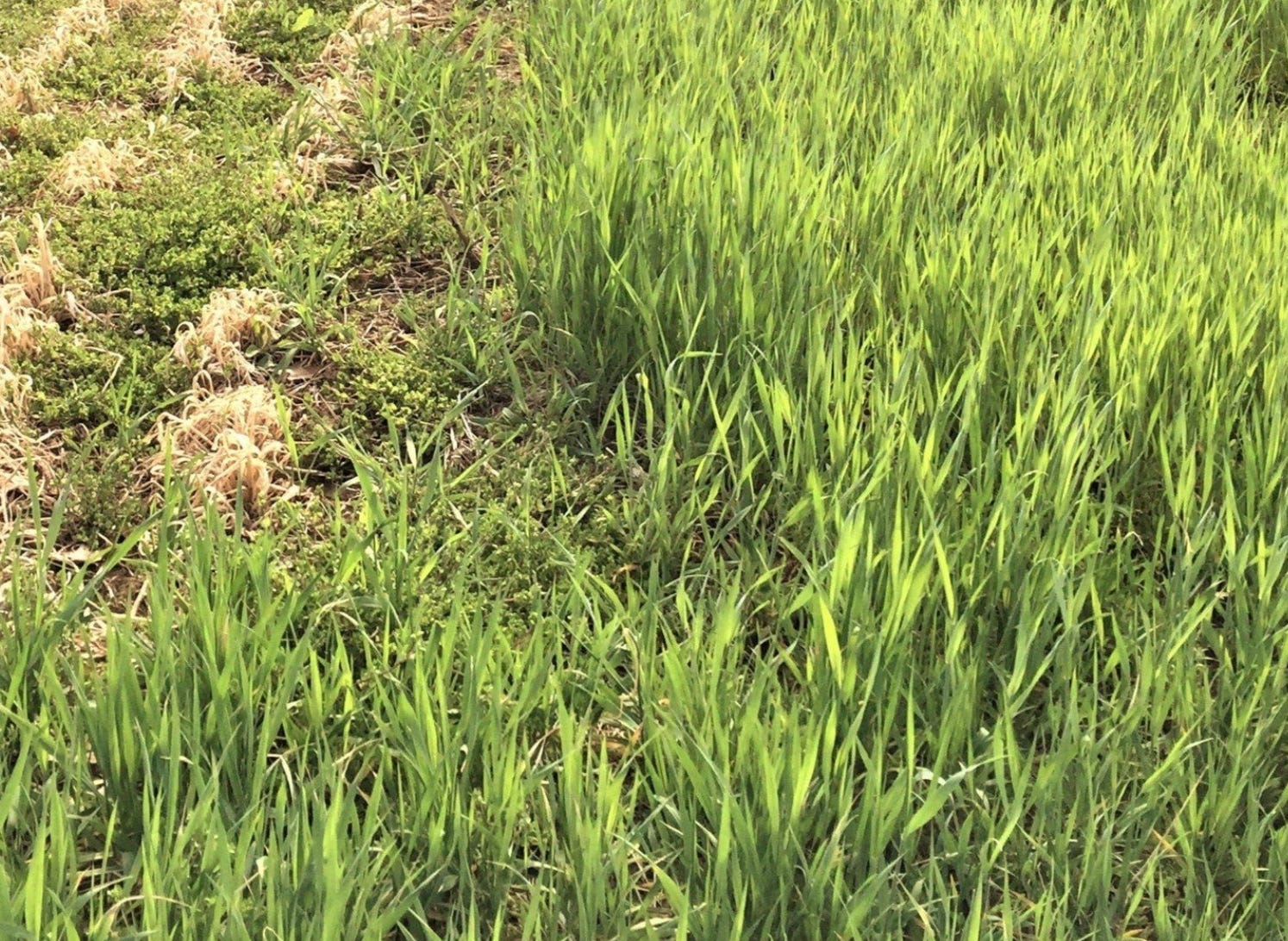
Winter Rye
Winter rye is one of the workhorses. It germinates in cool soil, grows when little else will, and puts down a dense root system that holds soil in place through winter rains. Come spring, it produces a heavy biomass that can be cut and left as mulch. It is not edible in the garden sense, but it does real work. It scavenges leftover nutrients, suppresses weeds, and builds organic matter fast
Collards
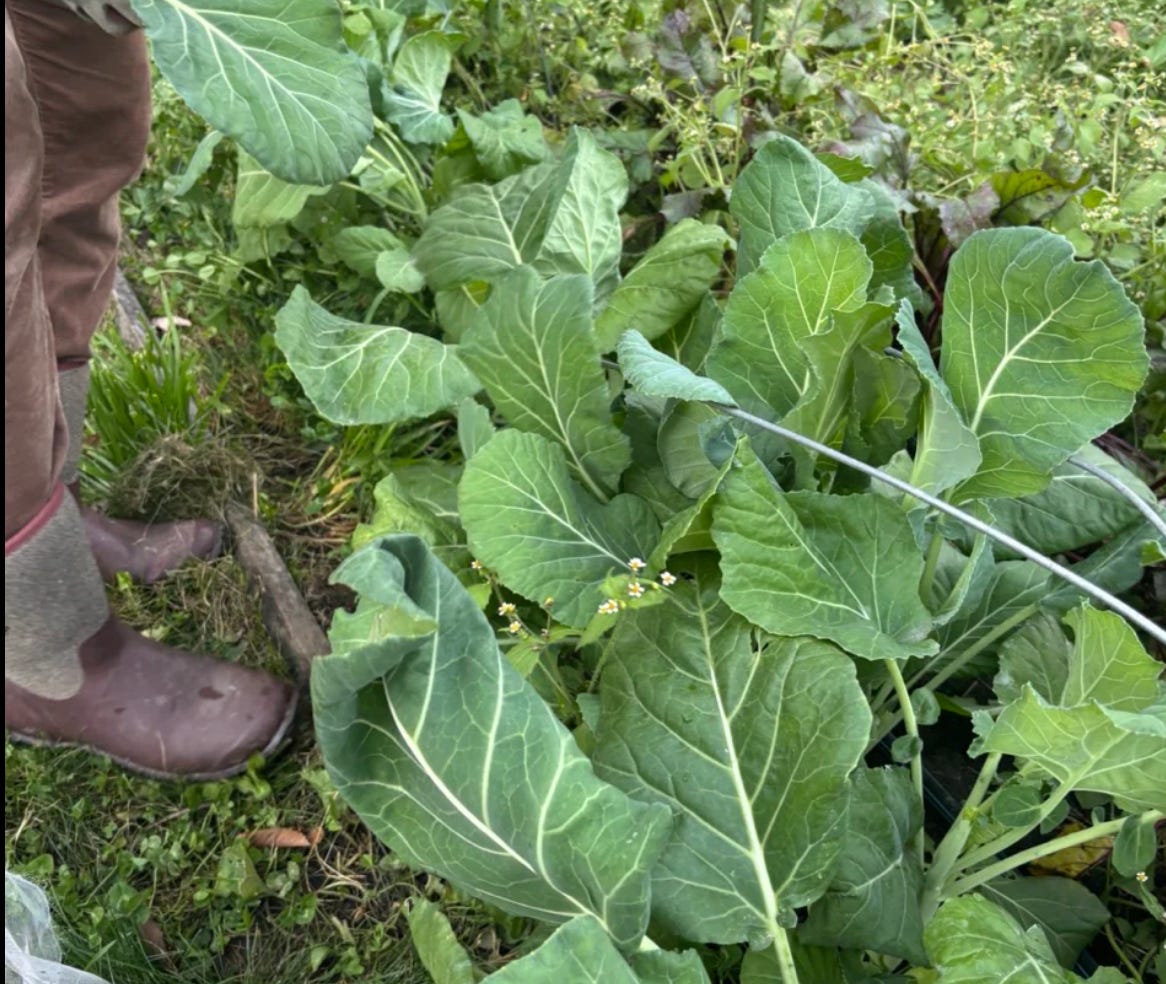
Collards are the old Southern standby. Planted in the fall, they carry through winter with very little complaint. You get food for the table, forage for animals, and a living cover on the soil. Their root system is not as aggressive as grasses, but they still help hold soil and cycle nutrients. They are a gardener’s winter cover crop, practical and useful.
Mustard Greens
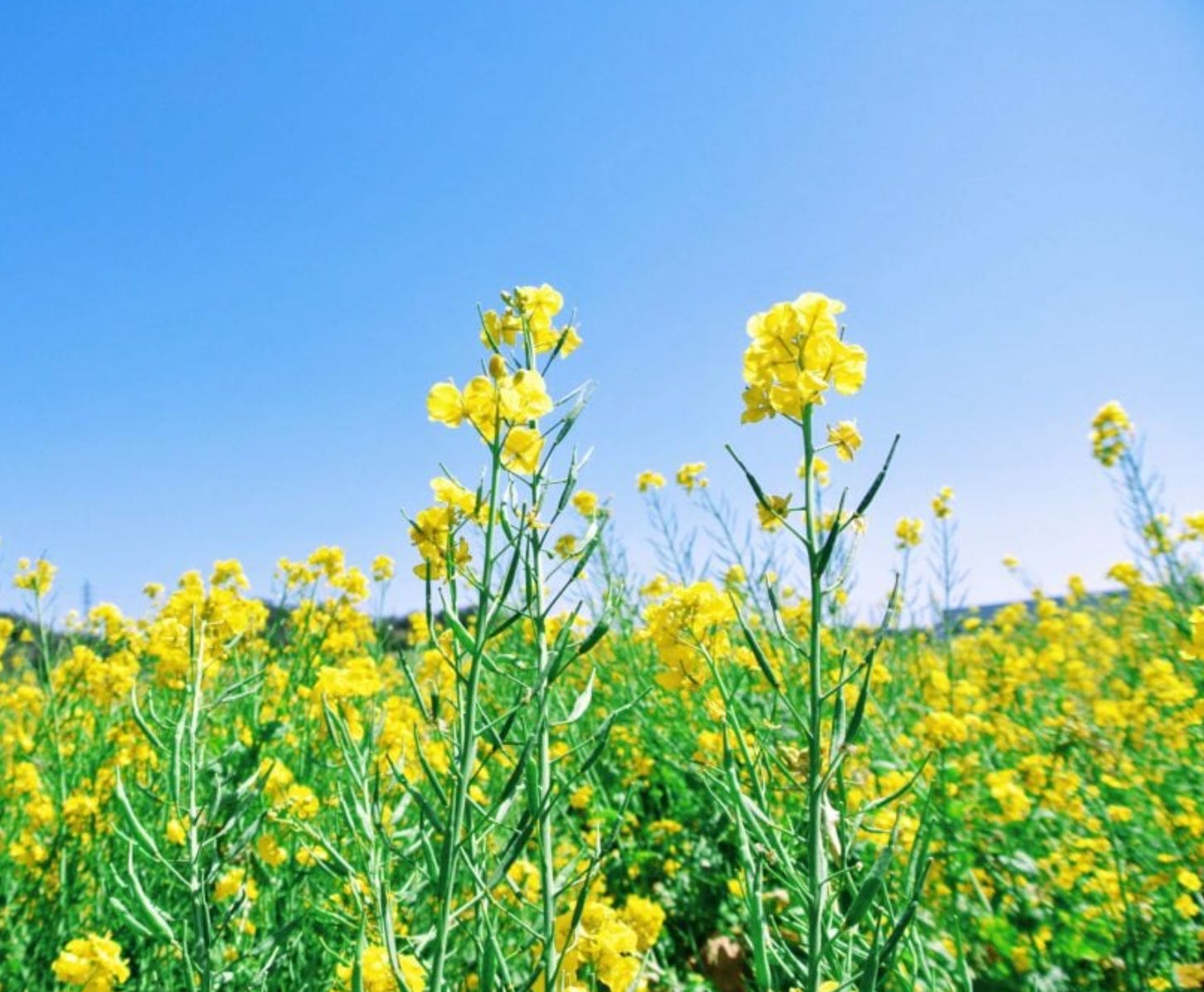
Mustards grow fast and do not wait around. They cover bare ground quickly and are known for helping suppress certain soil pests and diseases. Young leaves are edible, but their real value is speed and biological activity. When chopped and turned in, they break down quickly and feed the soil. It is a cool-season crop in the south, often paired with rye or clover or vetch, which fix nitrogen.
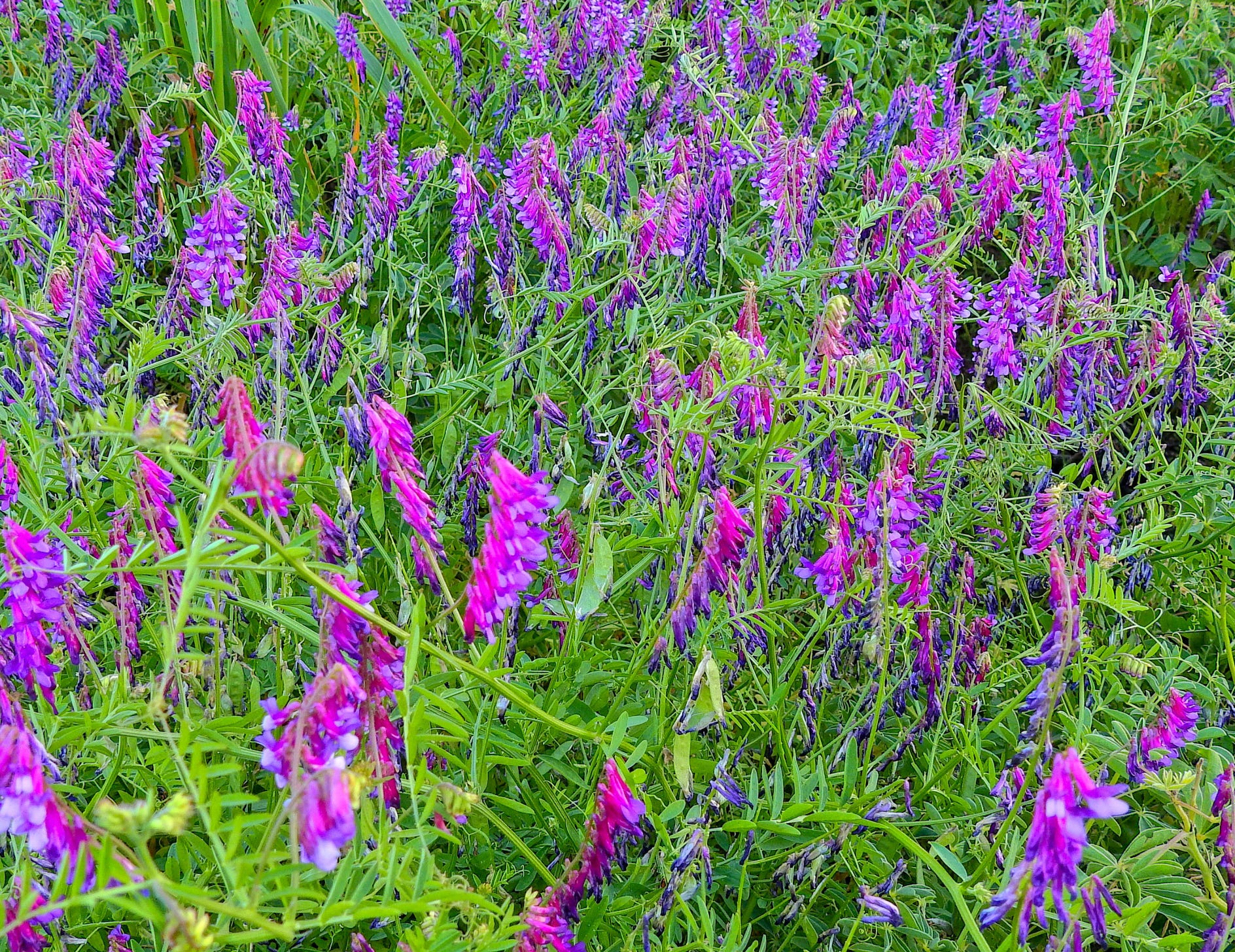
Hairy Vetch
Hairy vetch is one of the best nitrogen fixers available to the small farmer. It grows through winter and explodes in spring, putting nitrogen back into the soil for the next crop. It does require some management. It can get ahead of you if you let it go to seed, but used properly, it replaces a surprising amount of fertilizer.
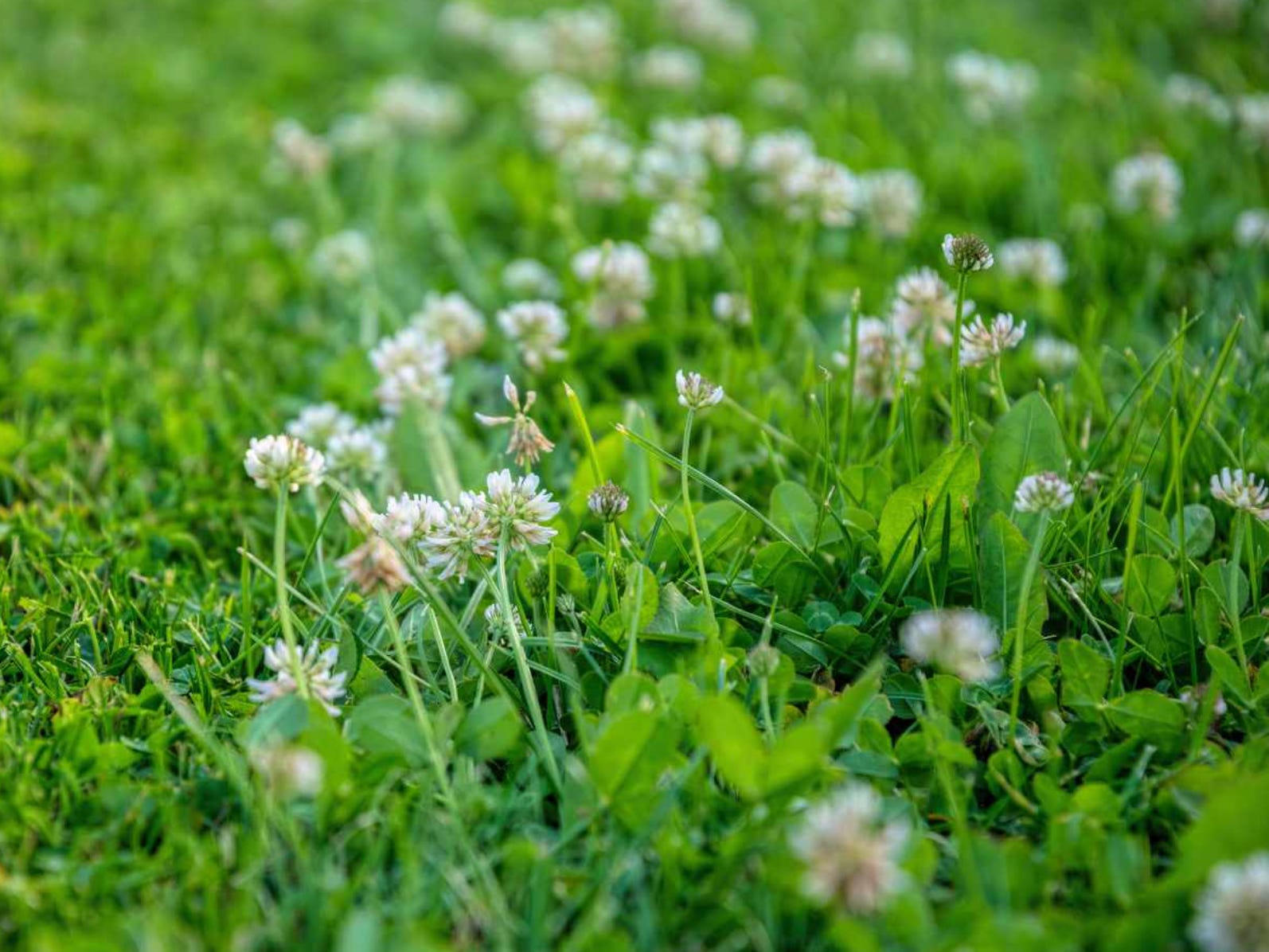
Clover (Crimson, White, Red)
Clover is steady and dependable. It fixes nitrogen, protects the soil, and supports pollinators when it blooms. Crimson clover is common in the South for winter cover, while white clover works well as a living ground cover. It does not produce the biomass of rye, but it quietly improves soil year after year.
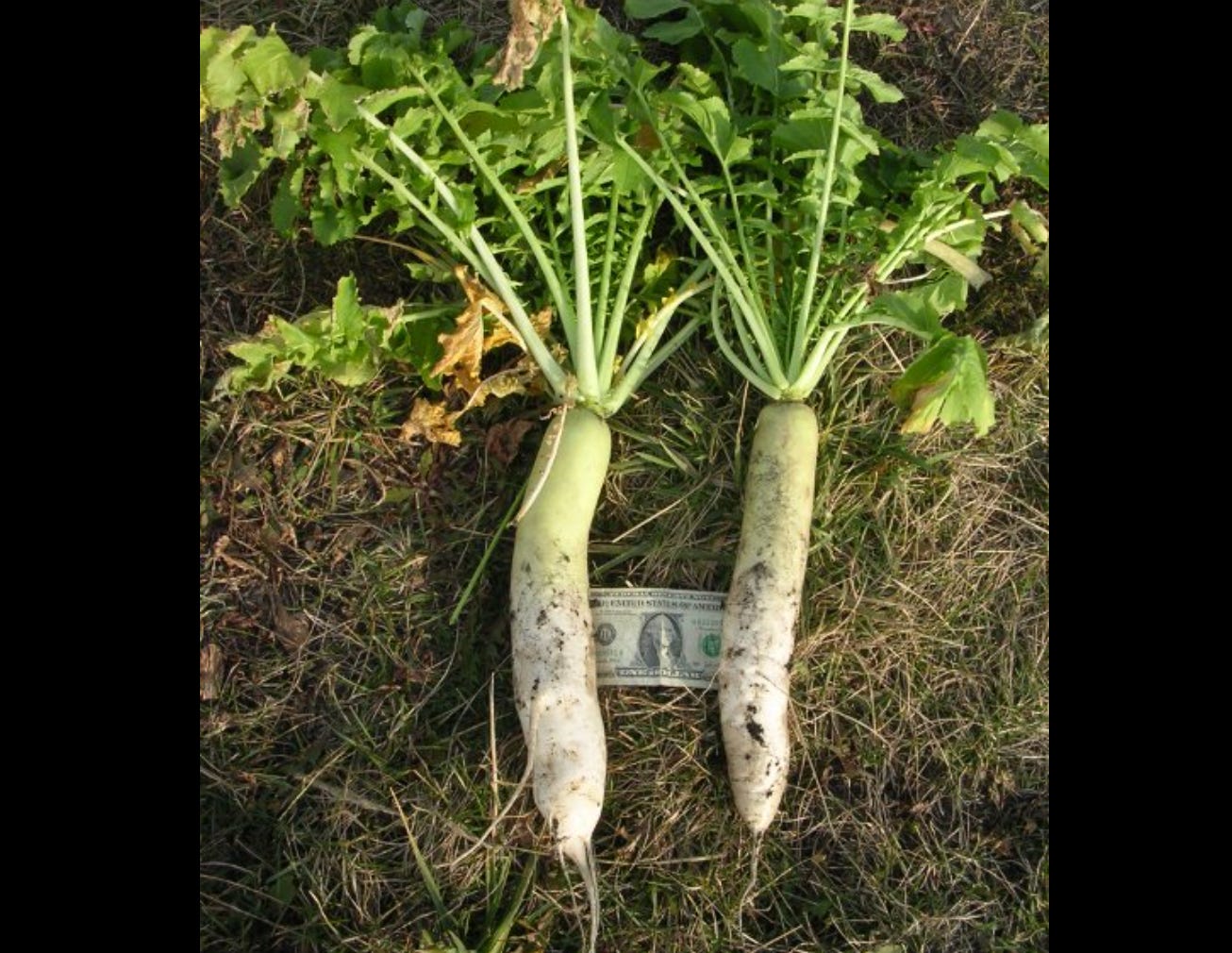
Daikon Radish (Tillage Radish)
Daikon radish is the soil breaker. It drives a deep taproot into compacted ground, opening channels for water and air. When it winter-kills, that root rots in place, leaving behind a natural pathway into the soil. The greens and roots are edible when young, but its real job is below ground.
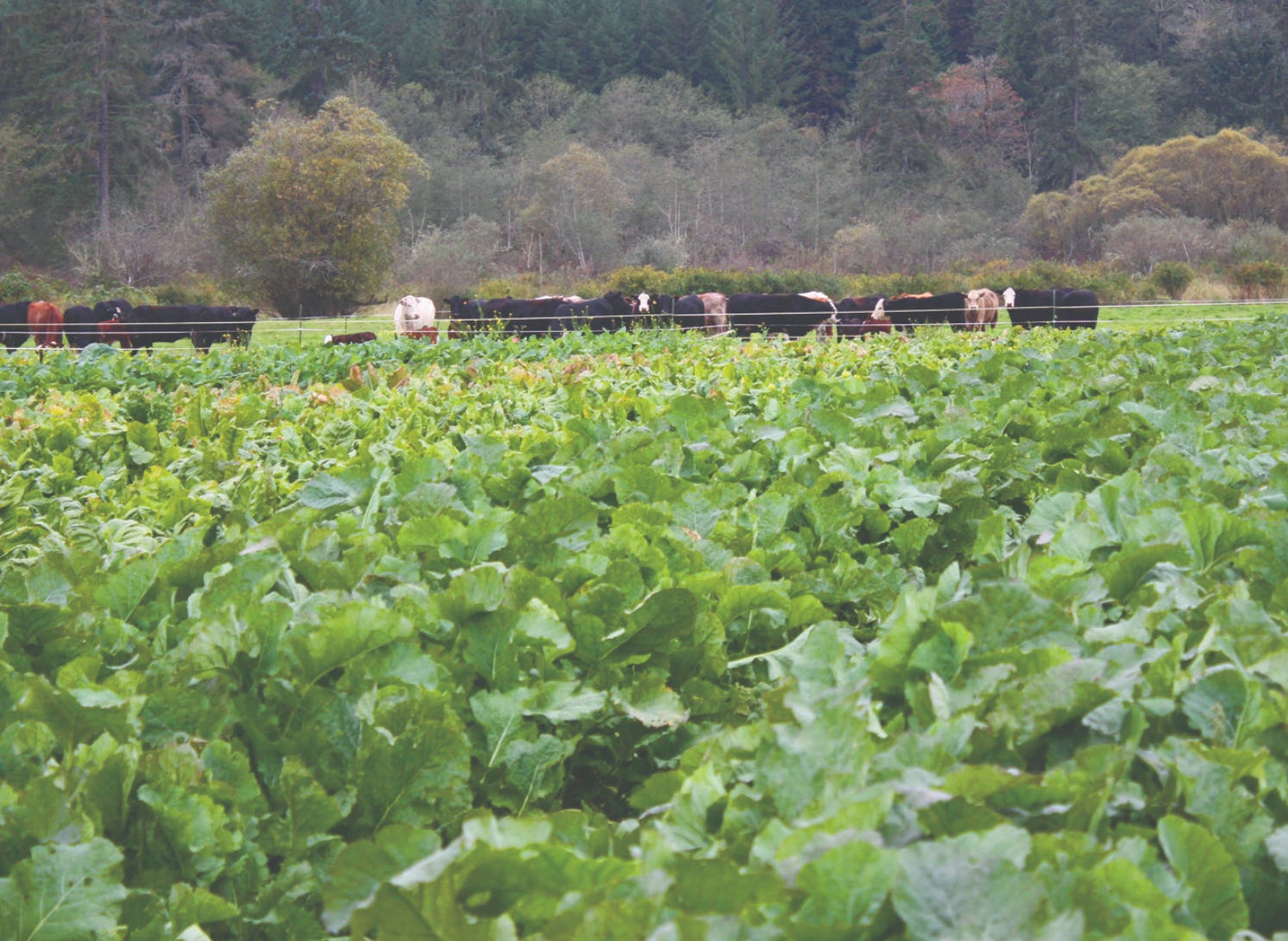
Turnips
Turnips do double duty. The greens feed people and livestock, and the roots help loosen soil and add organic matter. They establish quickly and provide good ground cover. In many Southern systems, they are part of a grazing mix as well as a garden crop.
Austrian Winter Peas
These are another nitrogen fixer, similar to vetch but easier to manage. They produce tender shoots that are even edible, and they mix well with grains like rye or oats. A good choice if you want nitrogen without quite as much tangling growth.
Oats (Fall Oats)
Oats are often used as a winter cover that will winter-kill in colder snaps. That makes them easy. No need to terminate in spring. They leave behind a soft mulch layer and help hold soil through the fall and early winter.
Buckwheat (Summer)
Buckwheat is the quick fix for summer. It germinates in poor soil, grows fast, and shades out weeds. It also helps mobilize phosphorus in the soil. Not frost tolerant, but very effective in warm months when beds would otherwise sit bare.
Sorghum-Sudangrass (Summer)
This is the biomass king for summer. It grows tall, produces a massive amount of organic matter, and has deep roots that improve soil structure. Often used when trying to rehabilitate worn-out ground.
Field Peas / Cowpeas (Southern Peas)
In the South, cowpeas are a natural fit. They handle heat, fix nitrogen, and produce a usable crop at the same time. Black-eyed peas fall into this category. Good for soil, good for the table.
The Lazy Way
Leaving last year’s vegetation, like sweet potato vines, in place is essentially a form of no-till. You are keeping the soil covered, feeding the microbial life, and avoiding disturbance. As those vines break down, they add organic matter, hold moisture, and give earthworms something to work on. But by itself, it is usually not enough, especially on heavier soils.
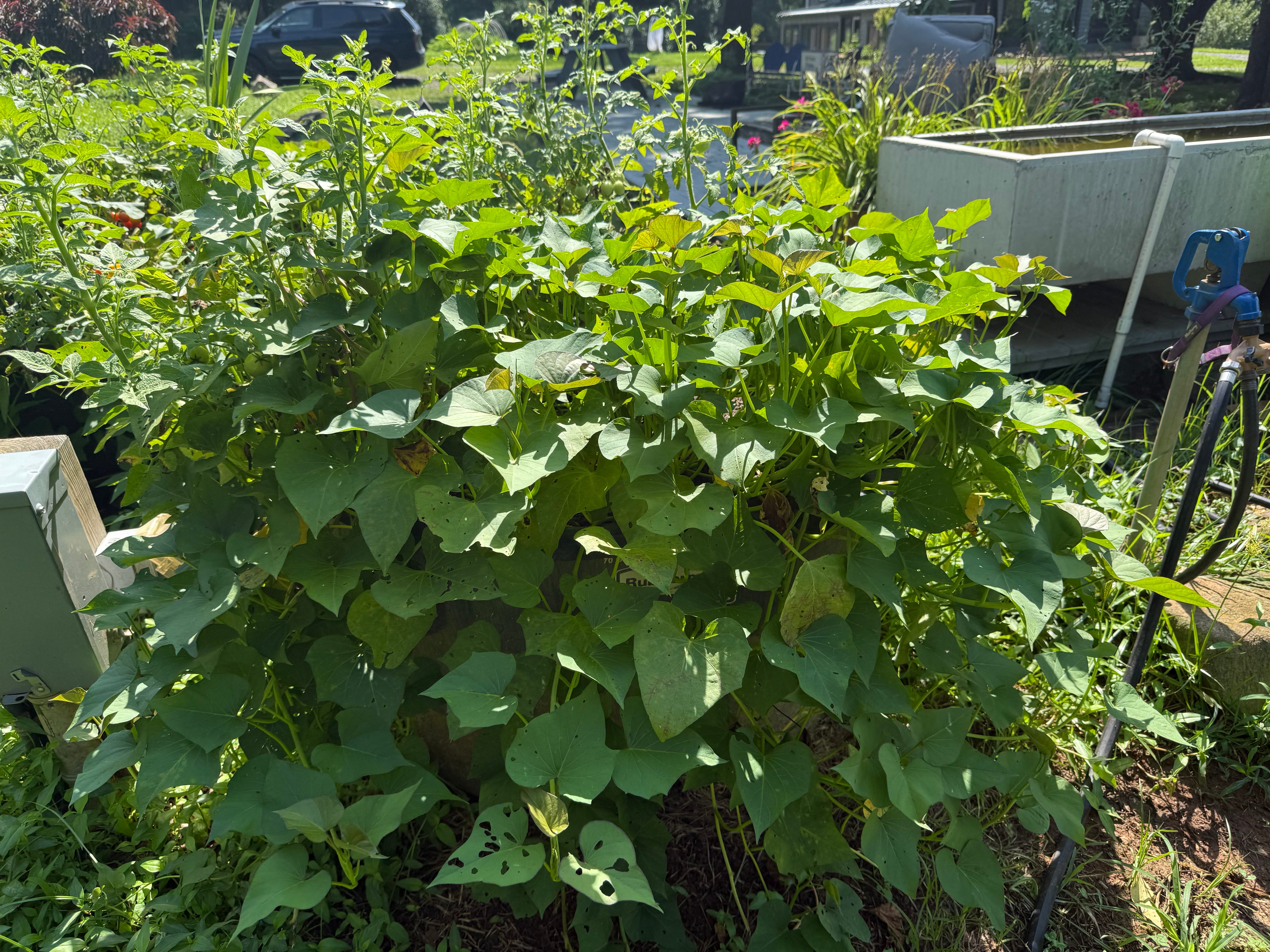
The layer is often too thin and breaks down too quickly to fully suppress weeds or carry the soil through the season. Where it really begins to work is when you treat that residue as a base, not the whole system. Leave it, knock it down, and then plant right into it with a mix of cover crops. Now you have both residue and living roots working together. That is when no-till stops being a concept and starts acting like a system.
Note that not all of last year’s vegetable crops are suitable for cover cropping in this manner. For instance, leaving tomato vines can work in a similar way, but it is a more conditional choice. They will add organic matter and provide some light cover if you leave them in place, but tomato vines tend to be stringy, slow to break down, and they do not form a dense mulch like sweet potato vines.
More importantly, tomatoes carry a higher disease load. Fungal issues like early blight, septoria, and others can overwinter on that residue and come right back next season. For that reason, most growers either remove or compost tomato vines rather than leaving them in place. If you do leave them, it is best to do so in a rotation where tomatoes are not going back into that bed the following year, and ideally with a cover crop planted into the residue. So yes, it can be done, but it is not as clean or forgiving a no-till option as something like sweet potato vines.
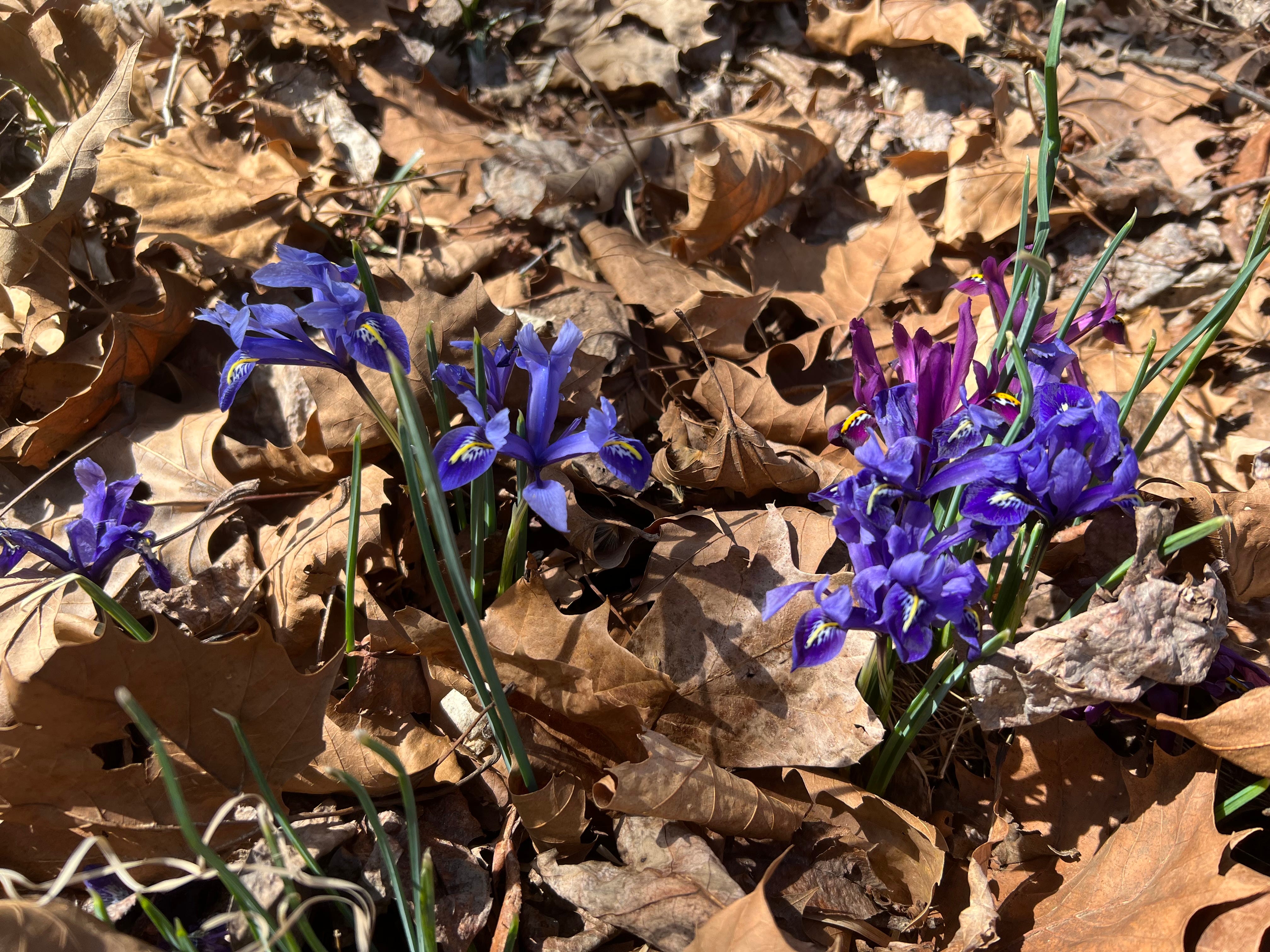
Hay and mulch can also work to protect the soil if one hasn’t planted a cover crop. And many people leave tree leaves where they fall, as an easy way to cover and protect the soil.
What hasn’t been discussed here and is important is that if one is dealing with more than a raised bed, animal manure is the best way to fertilize and regenerate soil. But that is a whole nother discussion.
The simple truth
No single cover crop does everything. The old farmers knew this. They mixed them.
A grass for structure.
A legume for nitrogen.
A root crop to break the soil.
Something edible, because why waste the ground?
That is how you build soil. Not with a product in a bag, but with time, living roots, and a little common sense.
So, most of the seeds for these plants can be bought cheaply in bulk online or in a farm store. Learning whether these cover crops are appropriate for your region, and when and where to plant them, is an individualized process. A process that must be learned through trial and error.
Putting this together
Putting this all together, the lesson is not complicated, even if we have managed to make it so. Soil is not an input. It is not something you buy in a bag, fix with a supplement, or correct with a single season of effort. It is a living system that responds to what you do, and just as importantly, to what you stop doing.
The old farmers understood this, even if they did not use the language we use today. They planted to protect the ground. They rotated crops. They let roots do the work. They paid attention to water, to slope, to season. And they stayed with it.
We have, in many ways, unlearned those habits. Replaced them with products, prescriptions, and the expectation of quick results. But the soil does not care about any of that. It responds to time, biology, and stewardship.
If there is a way forward, it is not new. It is a return. A return to keeping the ground covered. To feeding the soil, not just the plant. To use living roots as the primary tool. And to accept that this is not a project with an end date.
It is a practice.
Season after season. Year after year.
Had I encountered the wisdom you share on homesteading when I was young (and ever dreaming we would one day move from the Pittsburgh suburbs to a working farm), I might well have done it. Alas, my 70's - 80's (turning 82 in July) have been both times of deep reflection and letting go of earlier dreams about future choices. Bittersweet, in other words, like some of the crops you so lovingly describe. Thank you for all you share; in one sense, your offerings tether us to reality and act as antidote to the aggressive lunacy and multifaceted denials of basic reality and human ontology.
I just read that Robert quit ACIP. I can understand the frustration and I hope there's a plan for his continued input. We need him in the fight.