

Last week, our book Homesteading for Health was finally published. Writing it took us three years.
Unfortunately, we are having some difficulty getting our publisher to do much (any?) marketing for the book, which is disappointing. There are political reasons for this that I probably shouldn’t get into in a public forum.
But I will say this: apparently, if you piss off the right people at HHS by being a truth teller, there can be consequences elsewhere. Particularly when your publisher is a big fan of MAHA-gov.
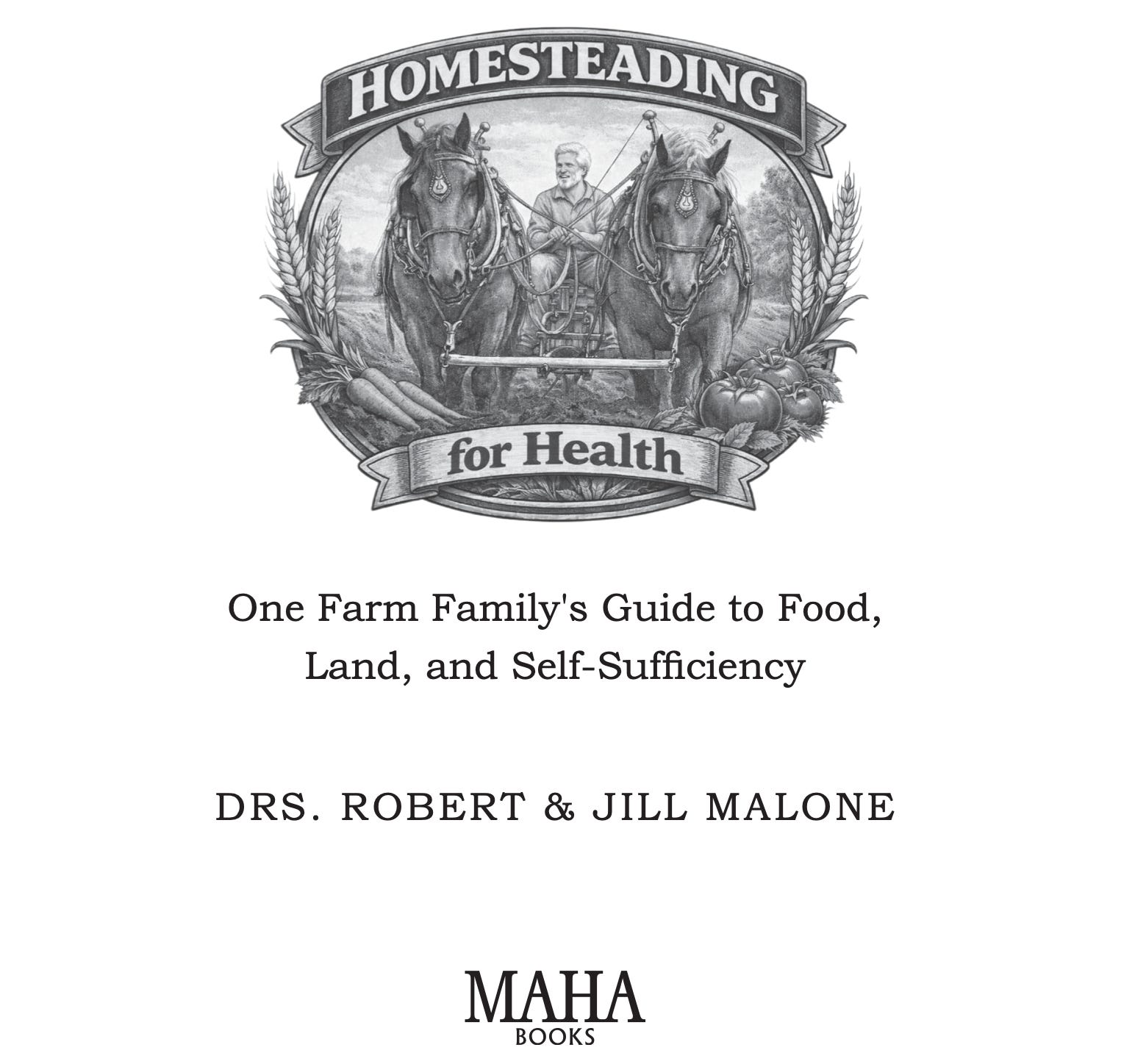
Let’s put it this way. The words “MAHA Books”, found on the title page, will apparently be disappearing from the next print run.
Oh well.
So we are going to have to do a little more of the heavy lifting ourselves.
Below is an excerpt from Homesteading for Health, along with a shameless plea: please buy the book, and please leave a review on Amazon. And I sincerely thank the seven people who have already taken the time to leave five-star reviews on Amazon. That means more to me than I can say.
This is not simply a book about chickens, gardens, livestock, and growing your own food. There is a lot of important information in it about health, food, self-reliance, and taking back some control over the things that directly affect our lives. It is also, in places, something of a memoir, telling the story of how and why we ended up doing all of this in the first place.
And by all accounts so far, people are really enjoying it.
So, since the marketing department apparently has other priorities, we are counting on you.
In the meantime, I am having increasing difficulty wrapping my head around using a traditional publisher for future books. The profit per book for the author is almost nonexistent, and if a publisher isn’t going to put meaningful effort or resources into marketing, it becomes increasingly difficult to see what, exactly, the benefit is.
It may be time to develop our own publishing imprint through Malone Media. At some point, cutting out the middleman stops being an ideological statement and simply becomes good business.
But that is a discussion for another day.
For now, below is an excerpt from Homesteading for Health, available through Amazon and other booksellers. I hope you enjoy it.
JGM
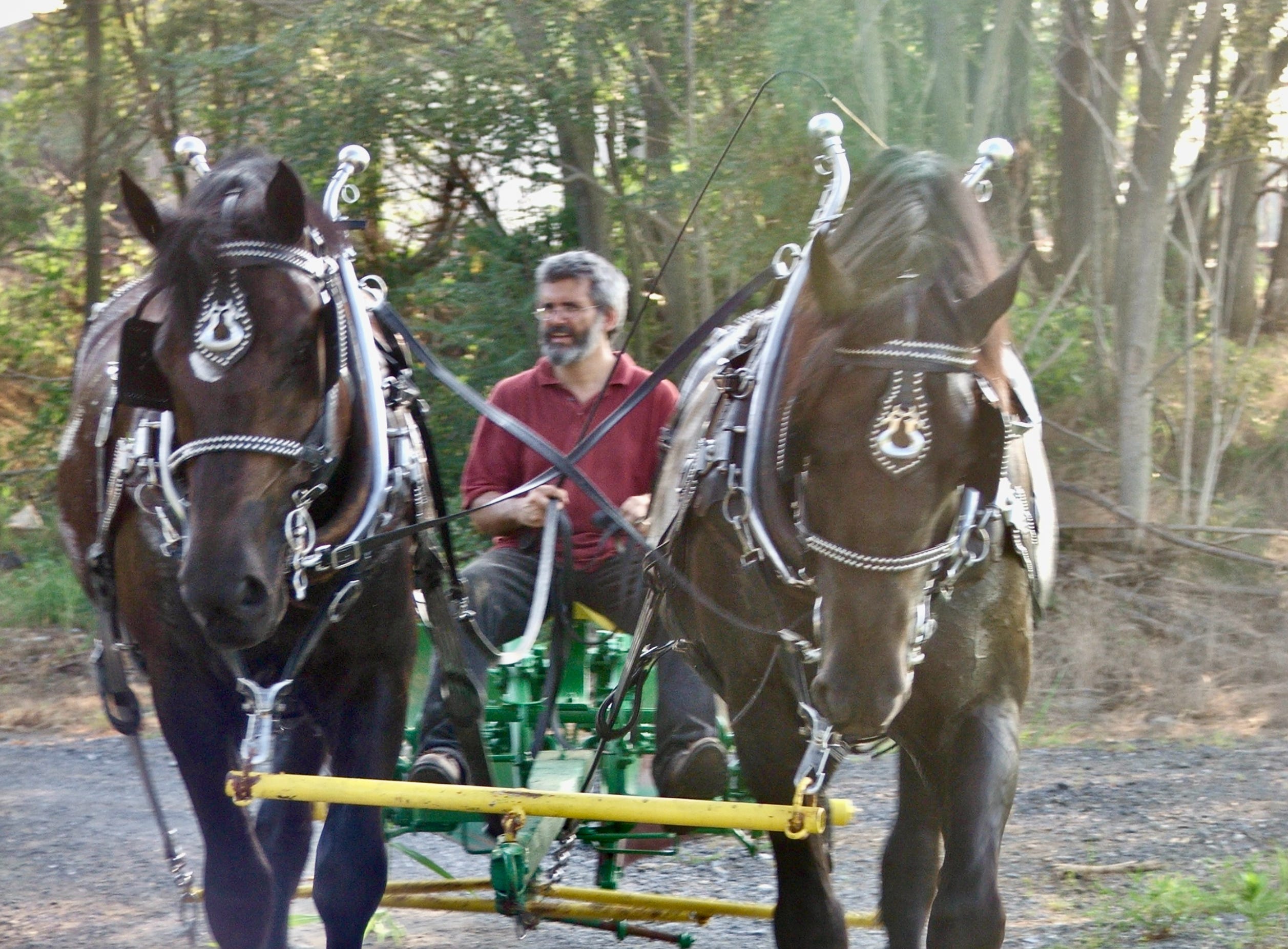
Our deeper dive into historic farming practices began in 2003, when we purchased two Amish Percheron draft horses, Annie May and Katie Sue. Annie came first. She was a stout, no-nonsense mare who had done it all. Plowing. Tedding hay. Driving down quiet country roads. Carrying children on her back. Nothing fazed her.
Annie Became Our Greatest Teacher
There is nothing better than a draft horse that has already lived a working life. She was powerful, gentle, and consistent, producing beautiful foals for us year after year. Over time, our farm became a haven for young people, and Annie seemed to understand that role. We discovered the Maryland Draft Horse and Mule Association and began attending workshops and events. We bought books on harnessing and work horses, and we learned slowly, the only way such skills are truly learned. Earl Nicholson, an old Maryland dairy farmer, took us under his wing. We spent countless hours on his farm, helping him and being helped in return.
Many of the farmers who were preserving these skills over twenty-five years ago (when we got involved in this part of our journey) had grown up using horses from before the Great Depression through the 1950s. They learned from their parents and prior generations how to keep soil alive long before modern chemical inputs became standard. Of these, many ran small dairy farms, a farming model that is extremely demanding but enables independence.
Robert had spent a few summers on his aunt and uncle’s small family dairy farm in eastern Oregon as a teen, and so had some understanding of the life and culture involved in dairy farming.
In the early 2000s, a small group of older farmers, along with a handful of newcomers like us, still practiced these methods. We absorbed knowledge wherever we could. We attended draft horse shows and farm auctions.
Robert learned the craft of horseshoeing. He likes to say that there are farriers and there are physicians, but there are not many who are both. Slowly, we built our skill set and a community. Eventually, we found ourselves passing knowledge along, hosting driving clinics, and participating in old farm days in Maryland, Virginia, and Georgia.
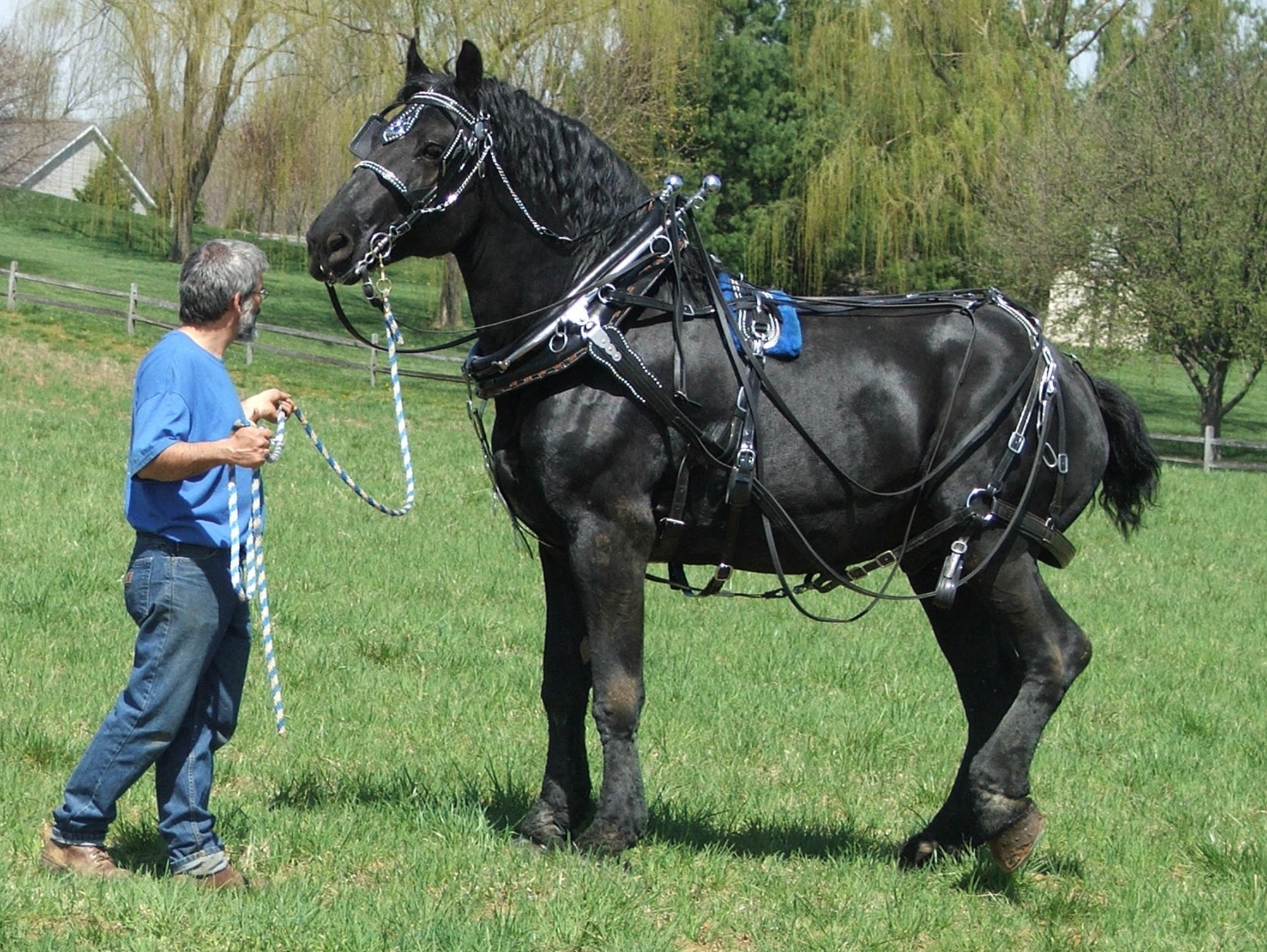
Many of those older farmers are now gone. Each year, that knowledge base shrinks as the old-timers pass away. Fortunately, the Amish and Mennonite communities continue to preserve these traditions, and a new generation has begun to rediscover them.
Our Journey
We learned how farming was practiced at the turn of the twentieth century. We learned to rest land, rotate pasture, build organic matter, plant winter cover crops, and use legumes to fix nitrogen. We learned to plow, ted, bale, and harvest hay with horses. We learned that horses compact soil far less than modern tractors. We learned to harness drafts and maintain horse-drawn equipment, much of it built before 1940. Over time, we assembled a working collection of implements, wagons, and carriages.
As our horse-drawn farming skills grew, we were also breeding, raising, and training Percherons, those magnificent black-and-gray draft horses with feet the size of dinner plates.
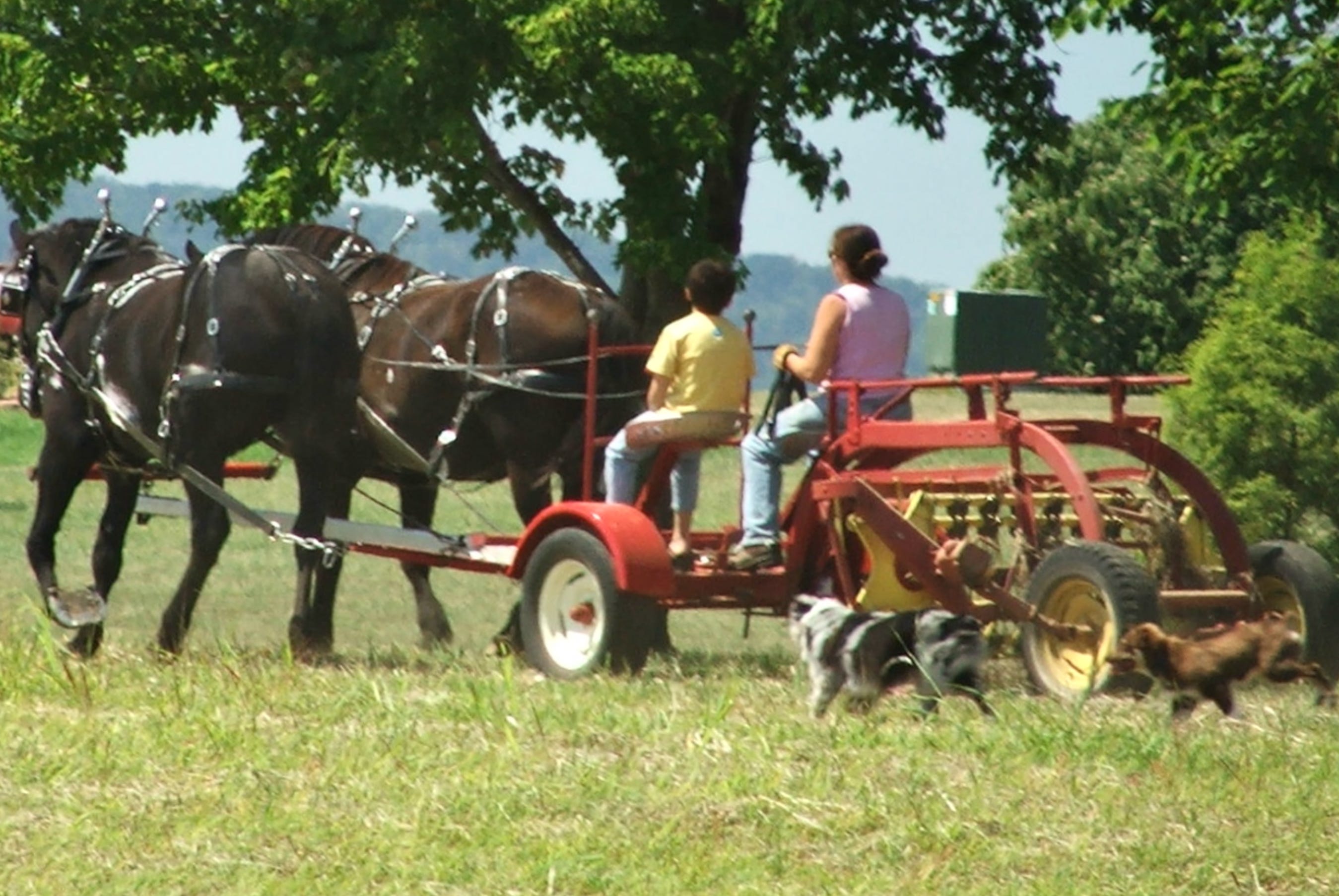
We taught others to hitch and drive. We took on interns, mostly teenagers, who learned to work horses and show them at local and state fairs. Our community expanded. We developed a niche market in all of this, which is something many homesteaders turn to in order to make the finances of a small farm workable.
Our farm neighbor in Maryland had two hundred acres of beautiful orchard grass pasture, as good as one could ever hope for. Robert once asked how he had achieved it, because our fifty acres with hard red clay for soil could not grow grass pasture like that. The farmer explained that his family had farmed the land for over a century and always kept cattle, rotating them through the pastures. The cattle grazed broadleaf weeds. Invasive weeds were mowed. Orchard grass grew in clumps and, when managed properly, crowded out weeds.
Over time, we learned which grasses make for sustainable pastures and how to manage them. Our neighbor had never needed to use Roundup or 2-4-D herbicides. Learning from our neighbor and so many others, we used mowing, sometimes horse- drawn, to cut invasive weeds before they seeded. We planted winter cover crops to build nitrogen and suppress weeds. And we learned to tolerate a certain percentage of broad-leaved weeds in our pasture. The truth is, we have been farming, growing vegetables, and tending fruit for as long as we have been together. Composting, building organic matter, and choosing crops wisely were already part of who we were.
The transformation to the present was when we began learning how to apply those same techniques at scale.
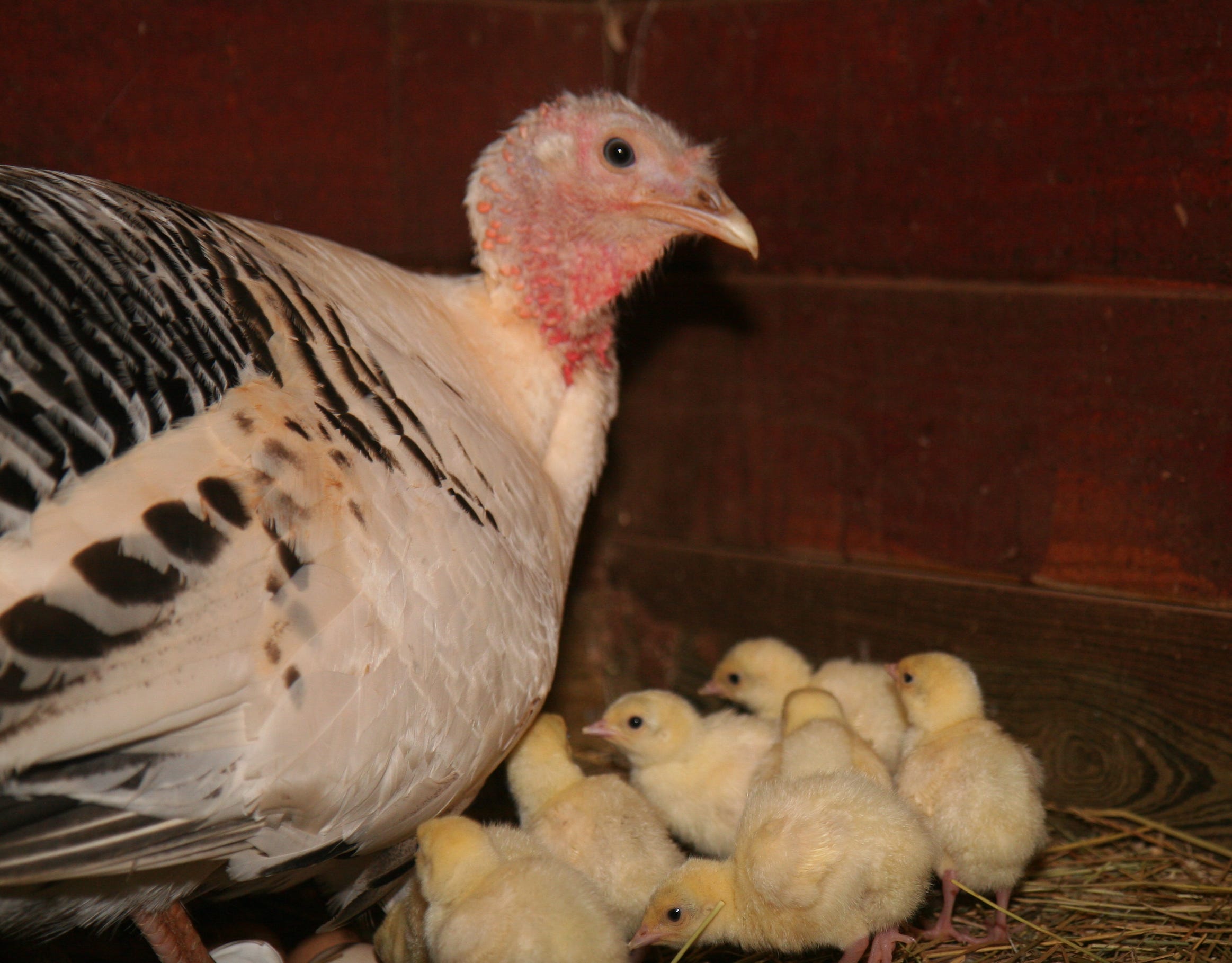
On our farm, we compost horse manure along with plant waste and chicken litter, turning the piles occasionally to introduce oxygen and keep the process active. Composting is aerobic. It depends on oxygen. Without turning, piles compact and go anaerobic. Turning redistributes moisture and heat, allowing all material to break down evenly and helping kill weed seeds and pathogens. We do not contain our piles. We build them, let them work, and start new ones when needed. After about six months, when a pile no longer steams, it is ready.
Regenerative agriculture is simply a farming and grazing approach focused on rebuilding soil health, enhancing biodiversity, and restoring damaged ecosystems. That means rebuilding organic matter, improving water retention, increasing plant and animal diversity, and reducing reliance on synthetic inputs. A farm with mixed livestock, diverse pastures, gardens, and fruit trees is the key to restoring depleted land. When you see worms flourishing, you know you are on track to success!
These practices include reduced tillage, cover cropping, crop rotation, minimizing chemical inputs, and rotational grazing. In other words, exactly what we learned from old farmers and the Amish, just repackaged.
We need to stop thinking of regenerative farming as something only professional farmers should do. Every suburban yard, urban plot, and small acreage can contribute. Victory gardens, kitchen gardens, and community plots all serve the same purpose.
We all need to become farmers again.
We all need to tend the garden.
JGM/RWM
Read more at:
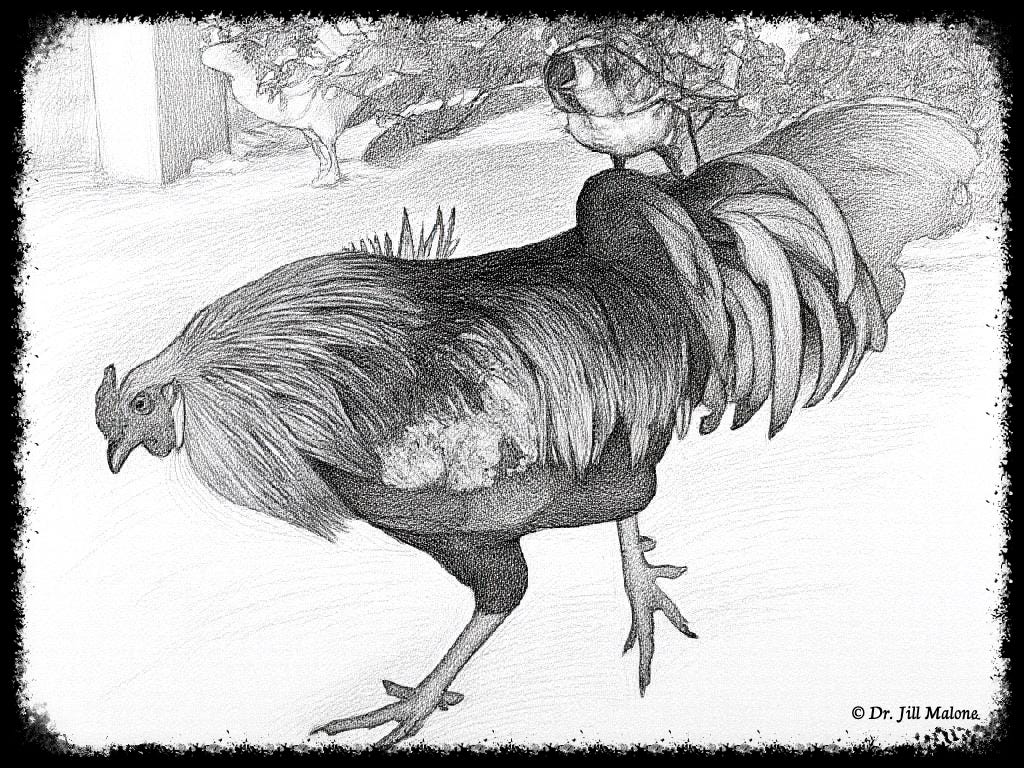
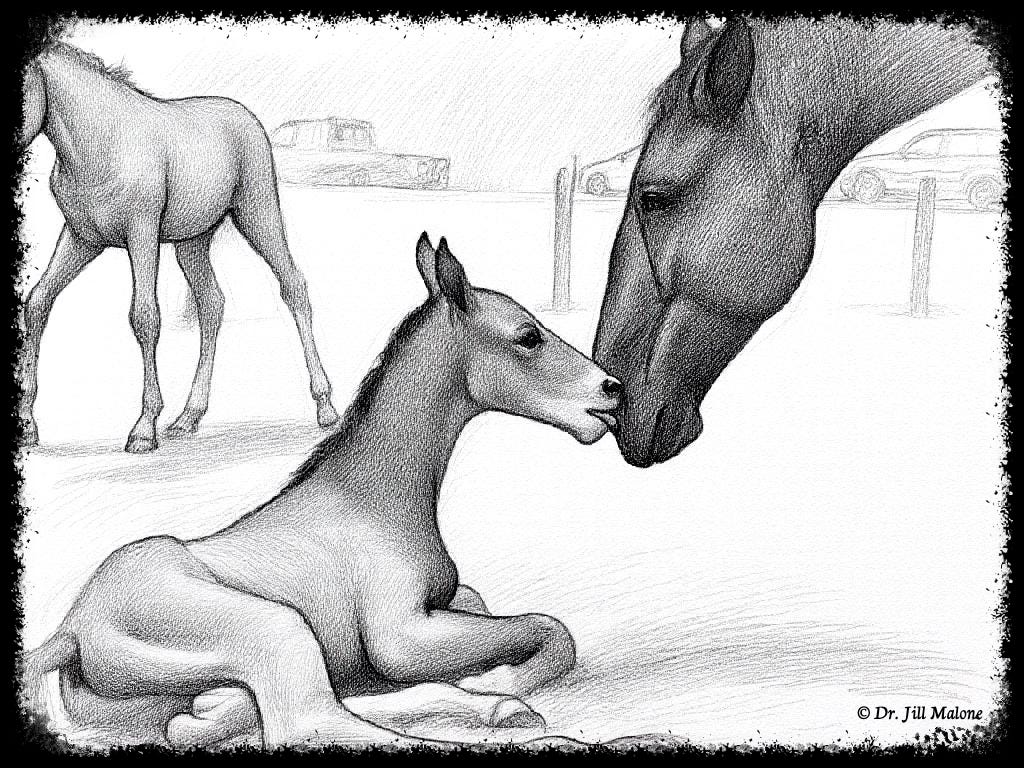
A few of the images from the Book:
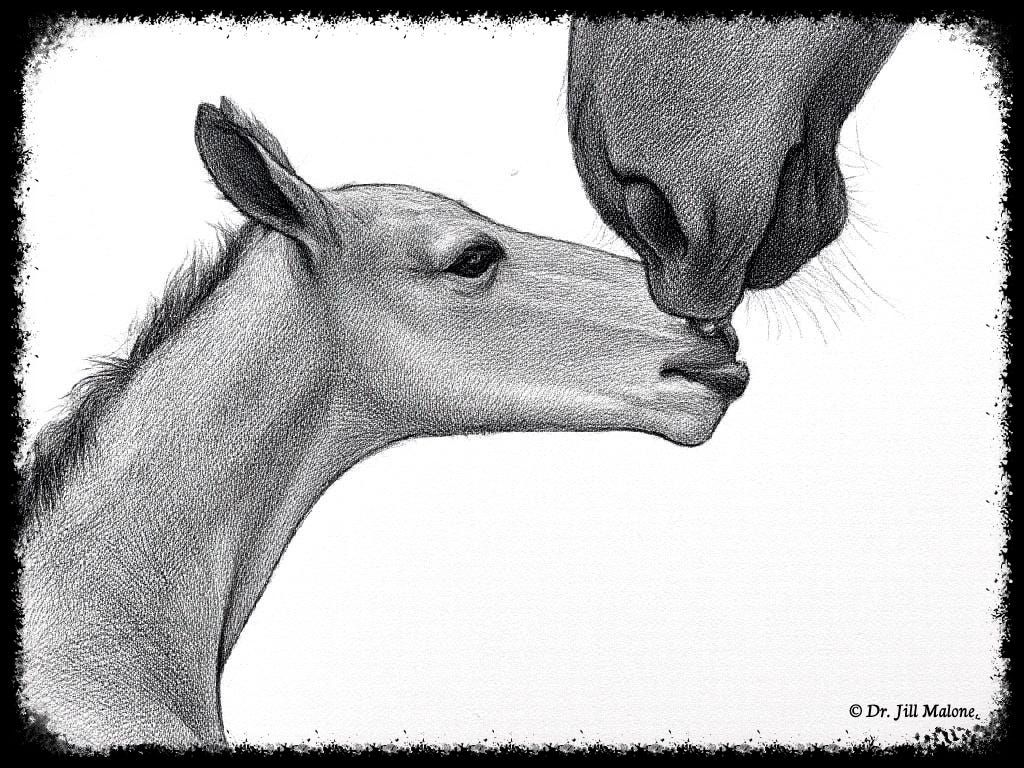
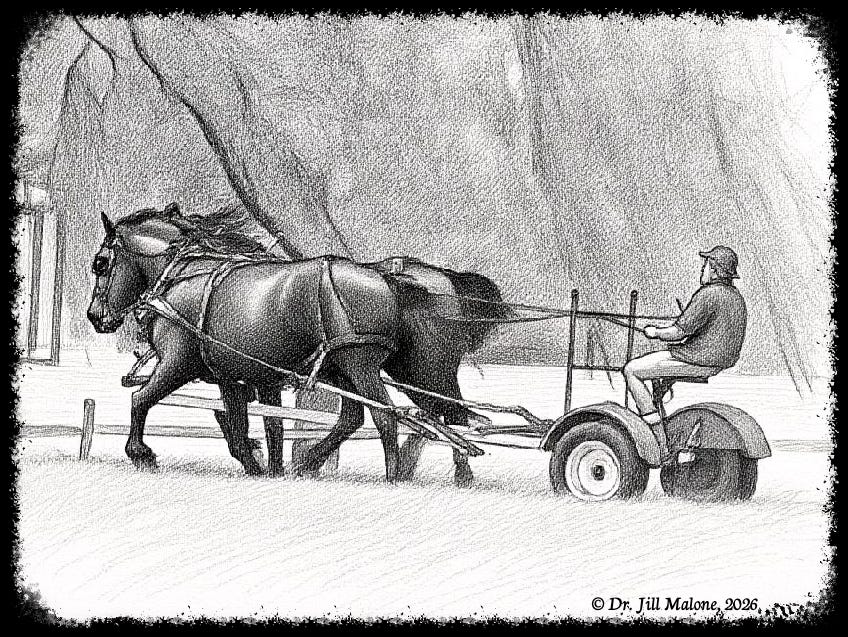
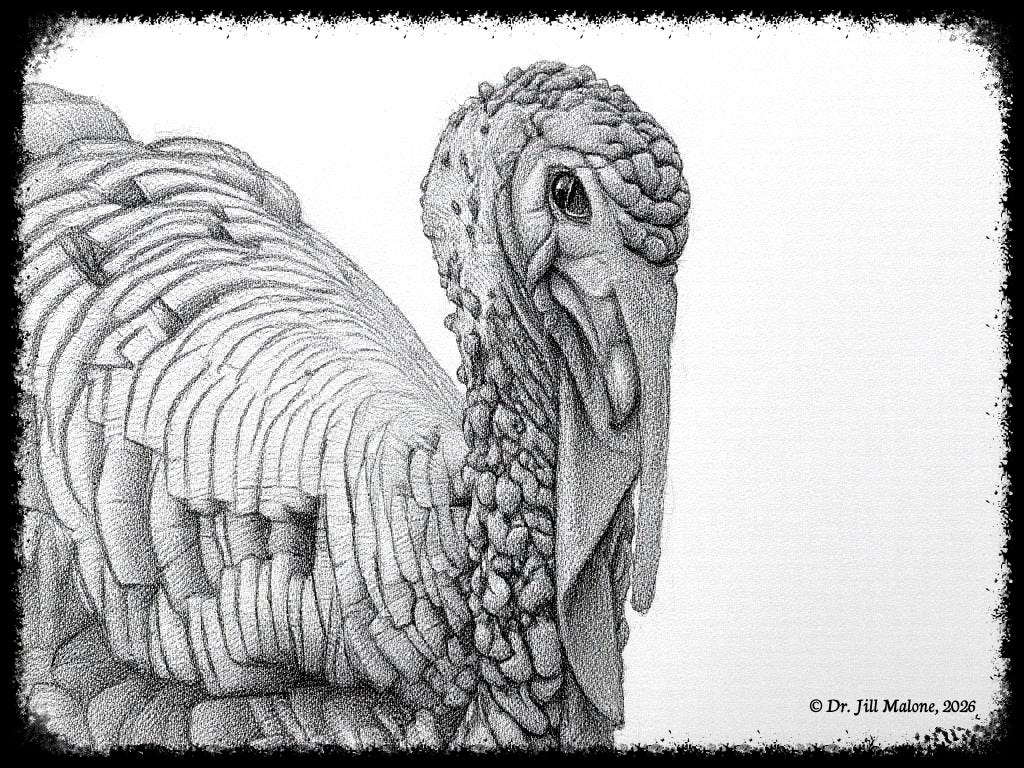
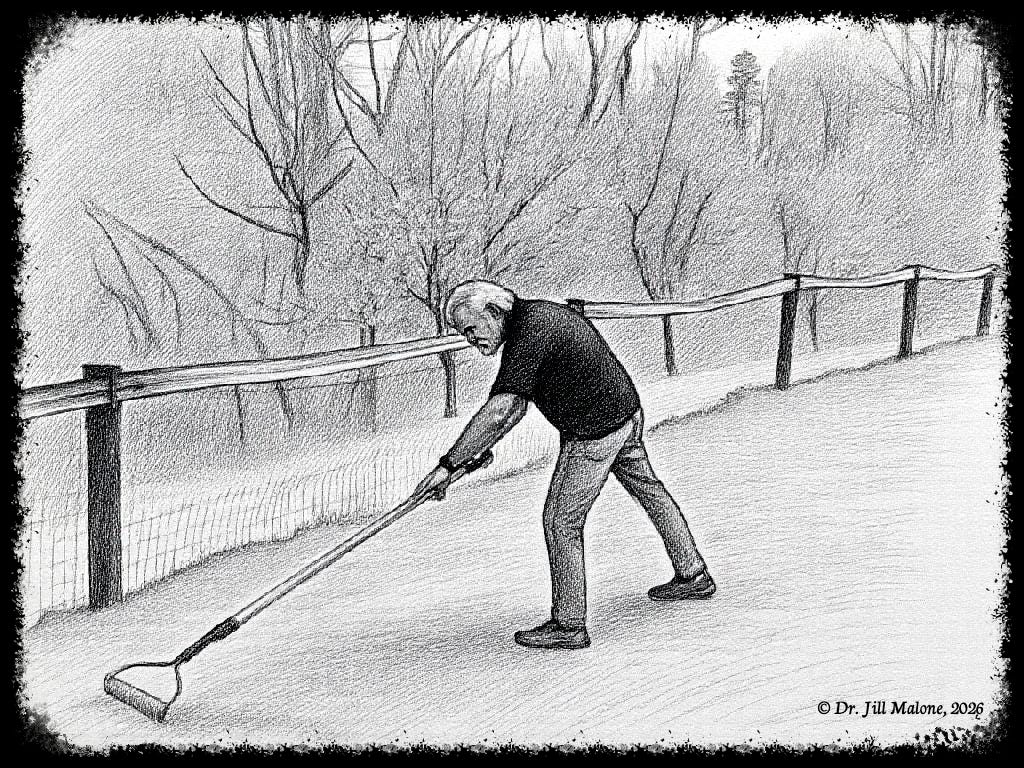
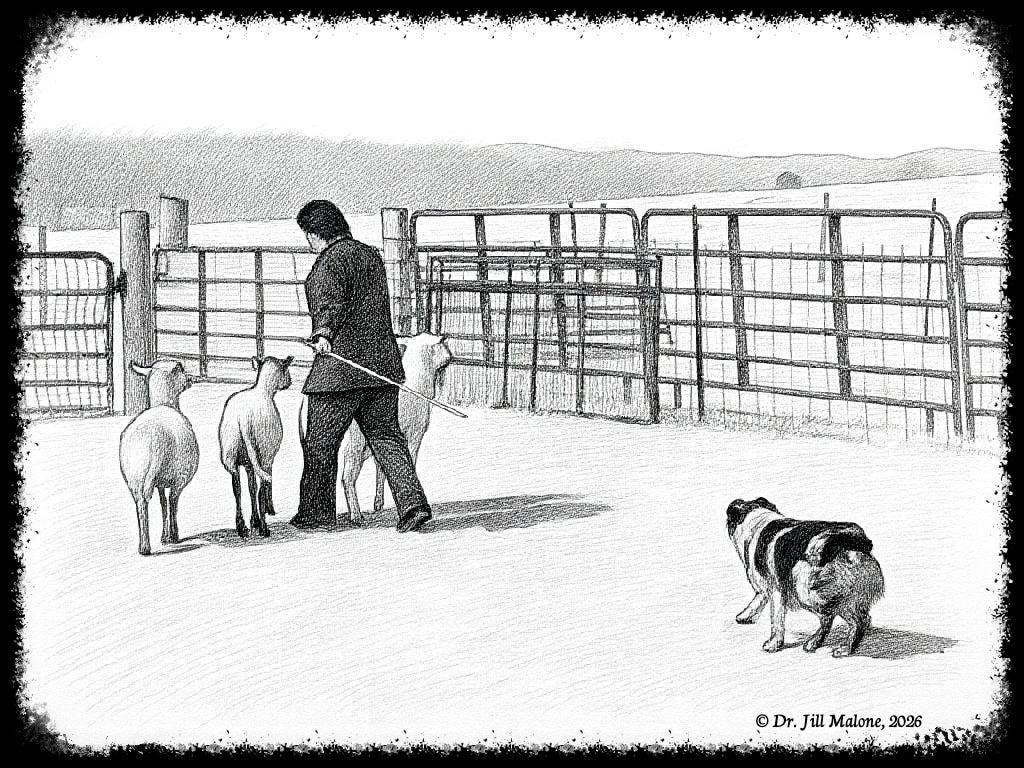
JGM
Help Us Keep Doing This
There is a certain irony in writing a book about self-reliance and then discovering, once again, why self-reliance matters.
Whether it is farming, publishing, medicine, science, or media, dependence always comes with strings. Sometimes you do not discover where those strings are attached until someone decides to pull them.
This Substack has allowed us to do something increasingly rare: write what we believe needs to be written, investigate subjects others would rather ignore, and follow the evidence wherever it leads without first asking permission from an editor, publisher, advertiser, government agency, or corporate sponsor.
But independence is not free.
Paid subscriptions are what make this work possible. They pay for the research, travel, staff, technology, legal and administrative costs, and the enormous amount of time required to produce what we publish here. More importantly, they allow us to remain answerable to our readers rather than to the institutions we write about.
If you already have a paid subscription, thank you. You are quite literally helping keep this operation independent.
If you read us regularly but have remained a free subscriber, please consider upgrading today. Think of it not simply as paying for another newsletter, but as supporting an independent publishing enterprise that intends to become more independent in the years ahead, not less.
Apparently, we may even have some books to publish.
As with farming, the lesson keeps coming back to the same place.
If you want something to remain independent, eventually you have to build it yourself.
And we are building.
I ordered it when I first heard about it and got it last week.
It is a treasure. I already have family lining up to read it.
Thank you so much for a truly valuable instruction book that will save a lot of lives.
Blessings!
Doc, we got our copy. Thank you. I’d also point out that Substack is getting a sweet cut from you as they promote nothing but liberal writers each and every weekend with its Substack post that gets emailed that is supposed to get you in touch with other writers you might not know is on the platform. I’ve not seen a conservitve or right leaning writer promoted by them yet! I hate to say it but you’re funding your silence. We will always subscribe to you and it would behoove you to create a domain where it’s all yours.