

This is going to be short today because we are in a hotel in Stanton, Virginia, trying to get ready for the Brownstone Conference titled “Real Food, Real Health” being held at Joel Salatin’s Polyface farm.
First off, we all know that most animals don’t live as long as humans. Which means for those of us with animals, eventually we are faced with hard choices and loss. It is a part of life that never gets easy. This week is one of those weeks.
On Thursday evening, Stacey, our farm manager, alerted us that Caranja, our 20-year-old foundation mare who has a foal by her side, had nostrils flared and was acting like she wanted to go down. Caranja was imported in utero and who has been with us since she was a two-year-old - she is a beloved part of our farm.
Now Stacey, has a sixth sense about horses and when they are in distress, so even though those symptoms may seem mild, Dr. Chris was immediately called.
Chris was here within minutes, as we are very lucky in that he lives just down the road. Yes, she had colic. Colic is a general term for abdominal pain in a horse, usually caused by a problem in the digestive tract, ranging from mild gas or cramping to a life-threatening intestinal blockage or twist. Colic is a horseman’s nightmare and the cause of most deaths in horses, as they can’t vomit and they have a very “primitive” digestive tract. The intestine is, for lack of a more precise term, a great big jumble that can easily twist. If a bit of intestine twists, a horse will be in extreme pain and unless it either untwists or surgery is performed, the horse will die.
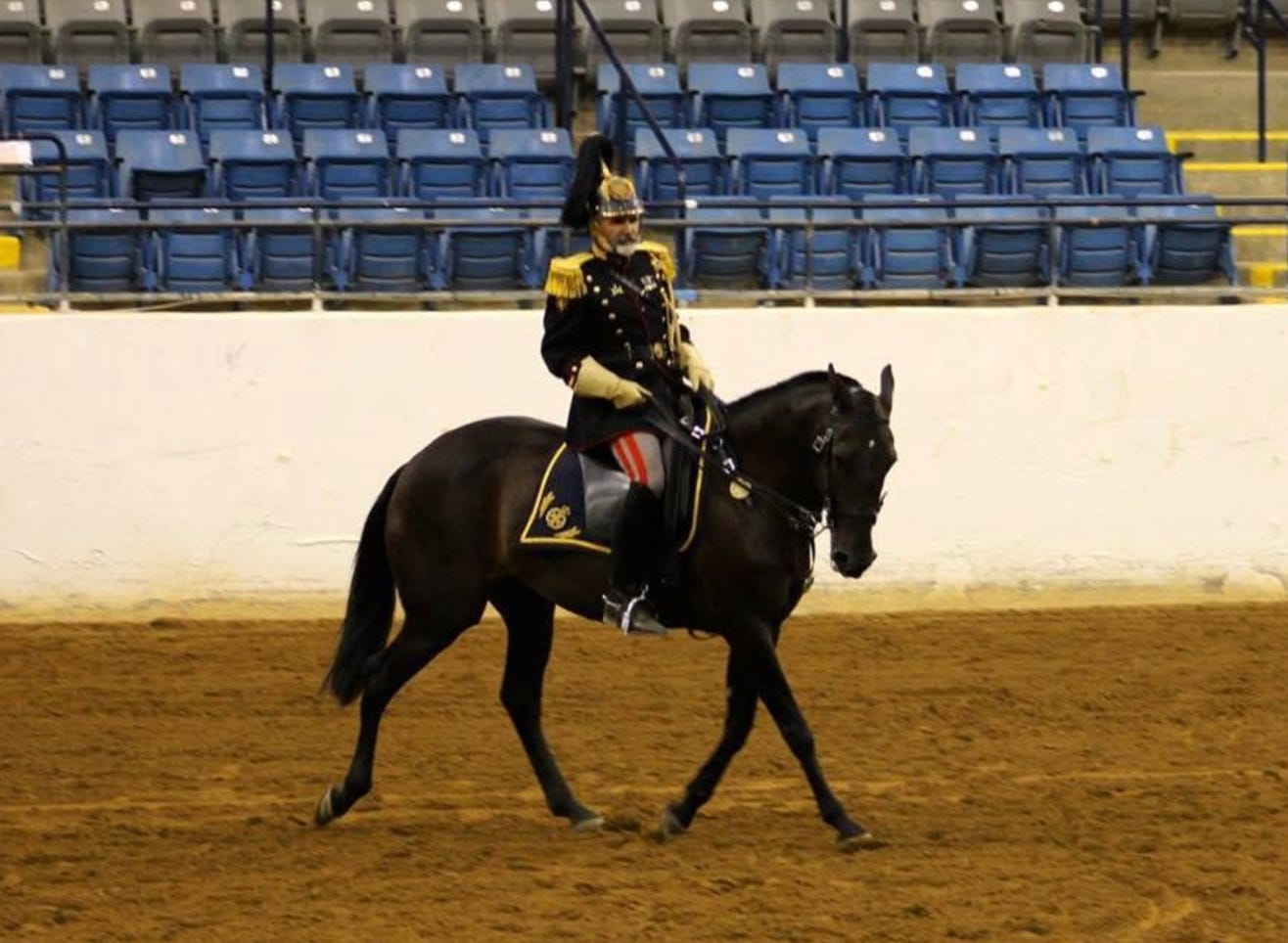
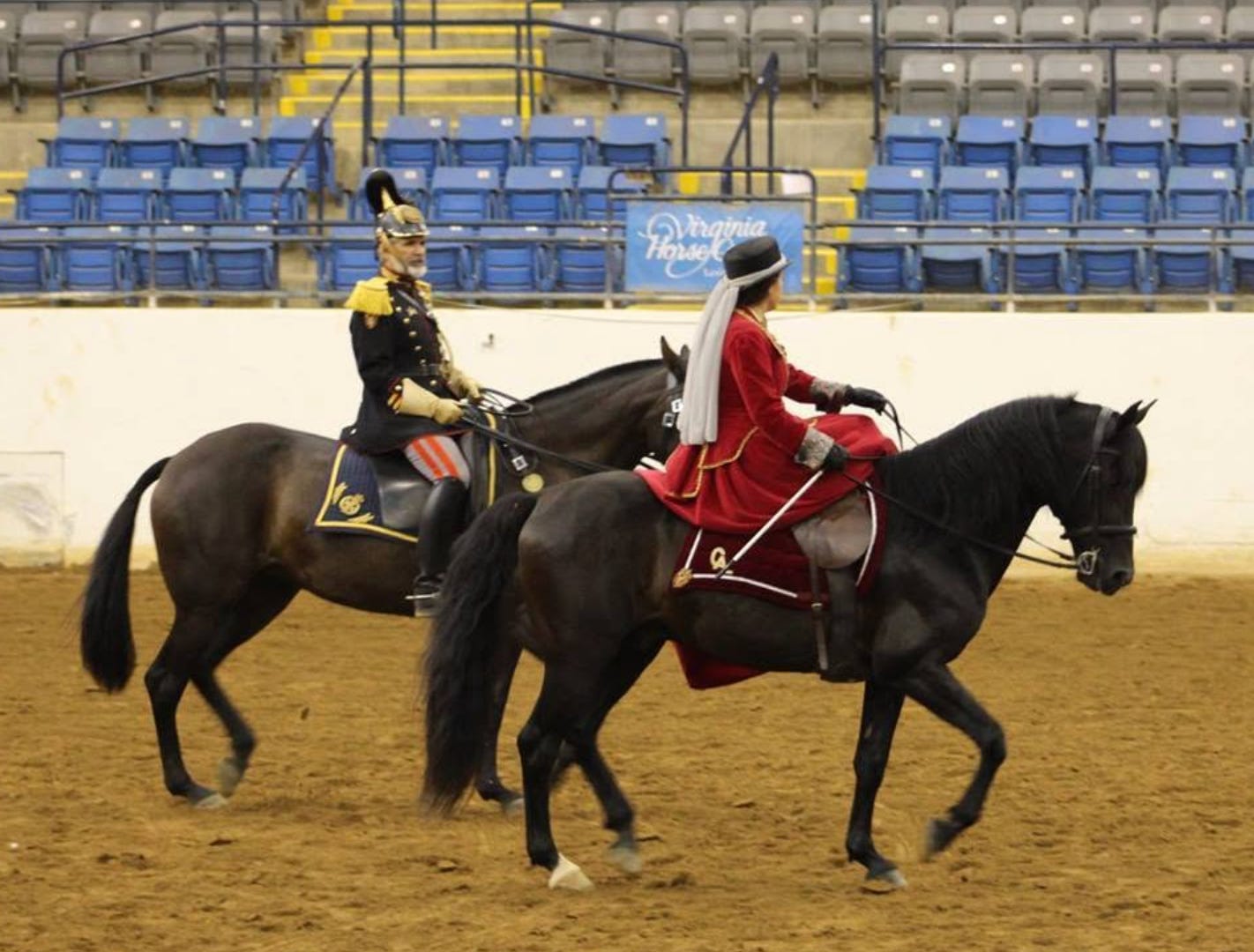
Caranja is Robert’s girl. She and he have a special relationship going back many years, when he used to ride her. He even used her in historical re-enactment shows.
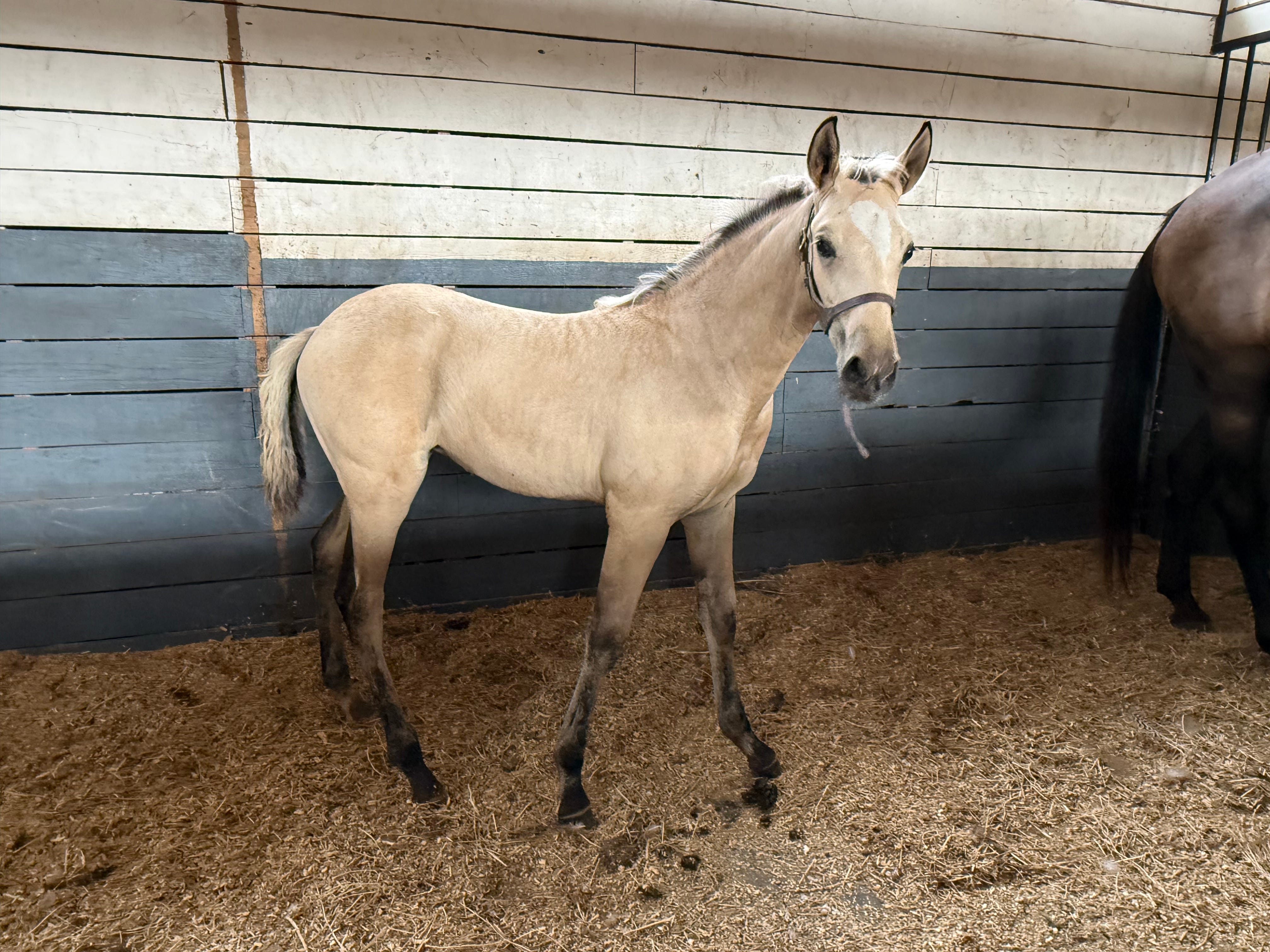
But now, she has been a broodmare for many years, and this year, she delivered yet another buckskin, a beautiful little filly, who we have named Xassandra (Casi).
Chris is an old-fashioned, single-practice equine vet - out in rural Virginia. He has seen and done it all, and we trust him completely. Although Caranja’s vital signs were good, her large intestine was enlarged. She needed to go to the equine hospital ASAP.
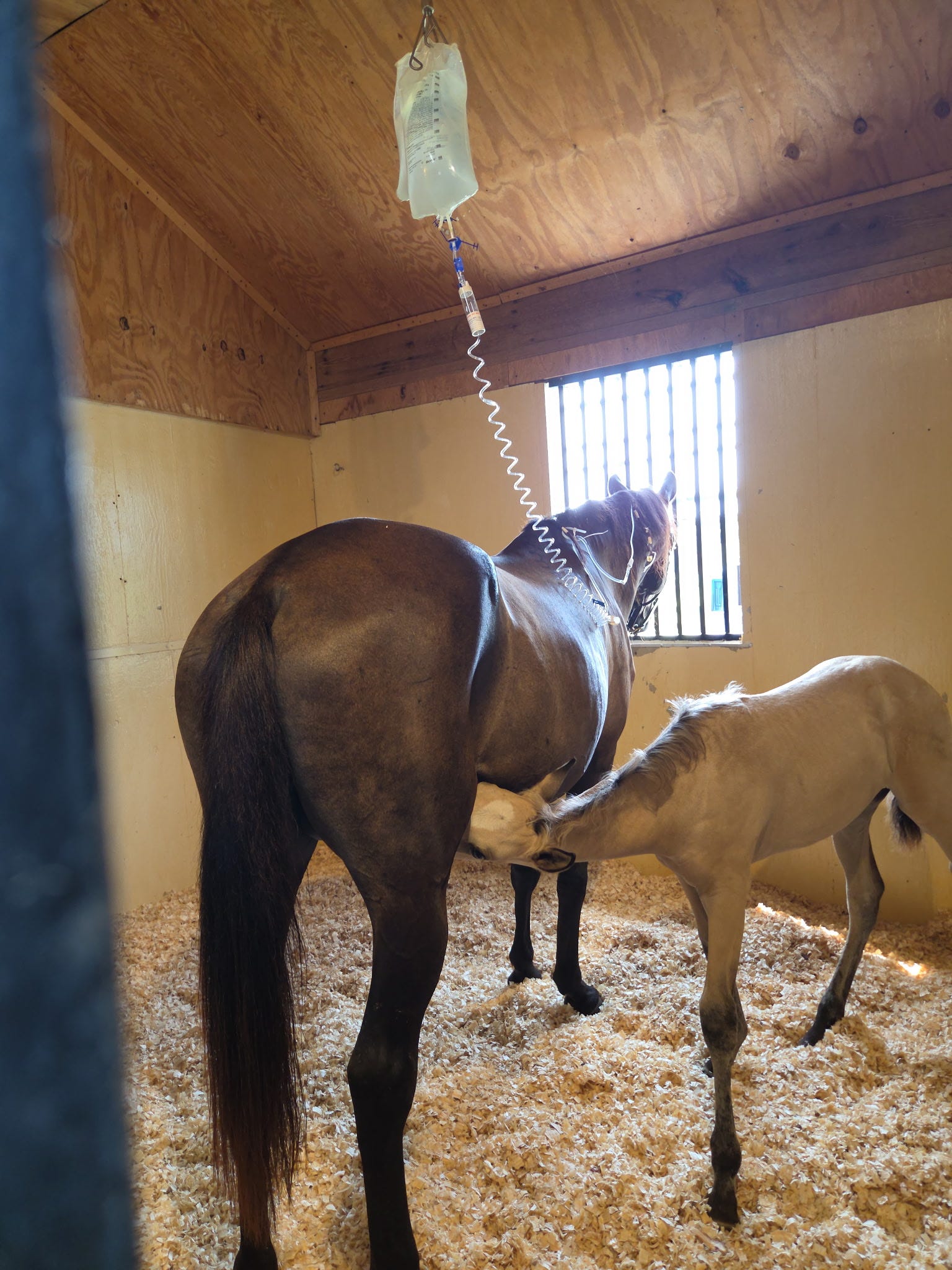
The hospital was called; they didn’t have room for the two-month-old filly, so she had to be left behind. I rushed Cara to the hospital. After an ultrasound, the vet said she had a 50/50 chance of recovery, and it would take 24-72 hours to resolve itself one way or another.
Robert and I had already decided that we didn’t want her to undergo abdominal surgery, which is a grueling procedure and often ends up in a painful death afterward. Cara is older, we don’t want to put her through that.
Casi, the filly, did ok that night. The other mares took her in, but she wandered around quite a bit calling for mama.
In the morning, the hospital agreed to let the foal come, as Cara had made it through the night.
So, in all the chaos, we packed our overnight bags and are here at Polyface.
Somehow Kitty ended up going go…
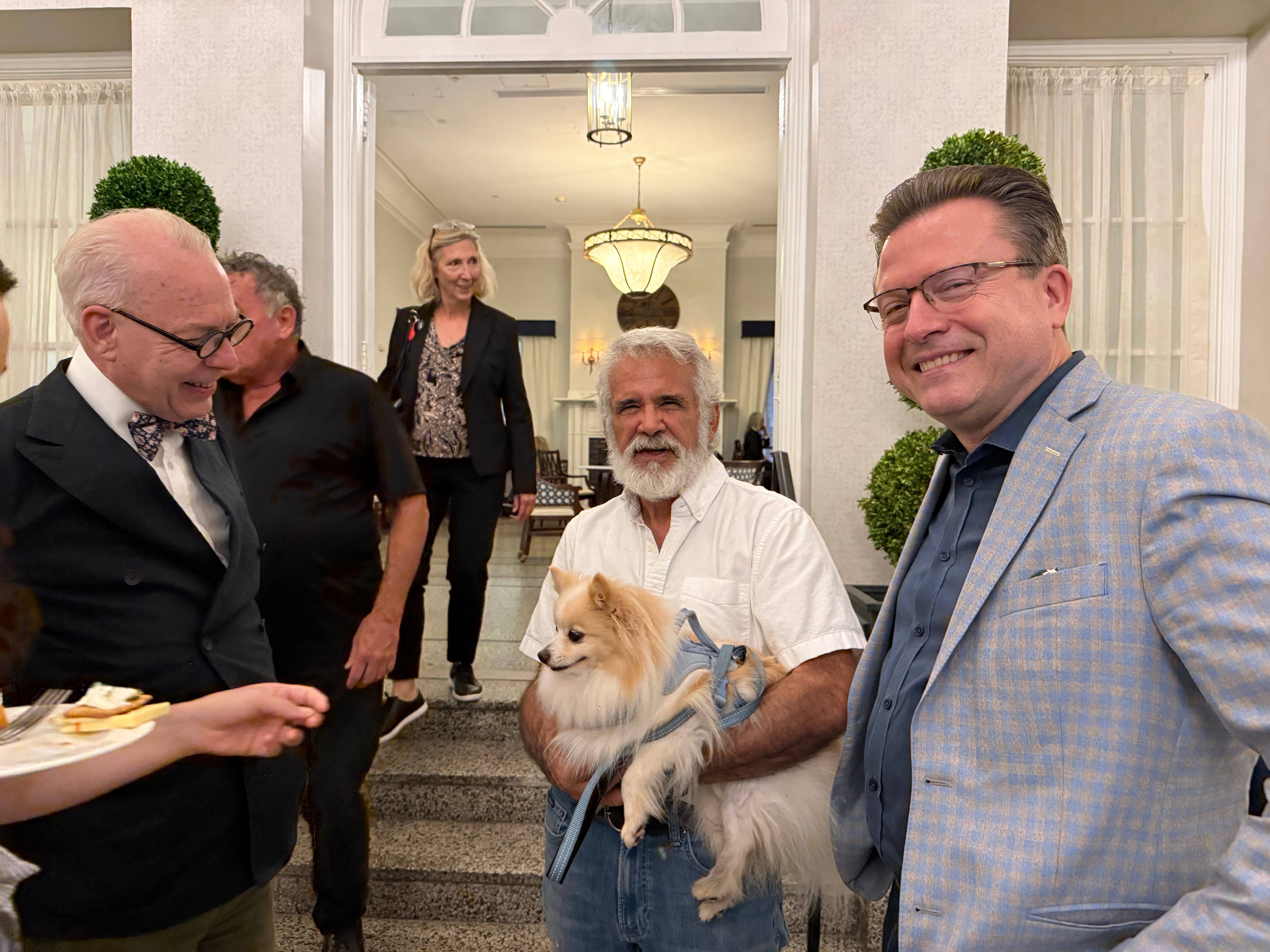
Last night, we attended a lovely reception at the hotel, and this morning, we are just about to head out to the conference.
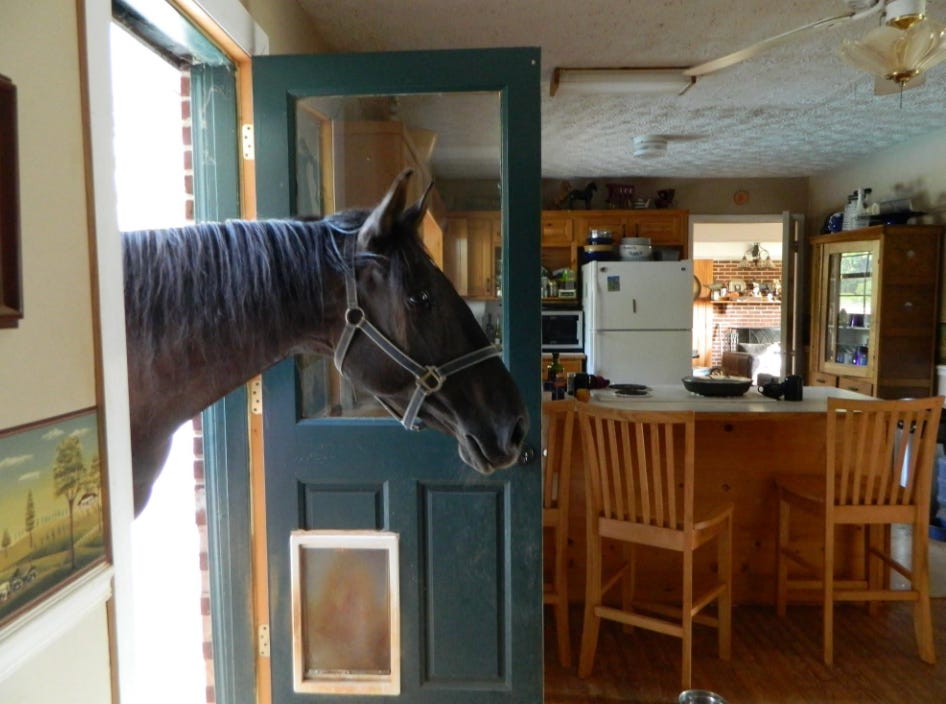
We are now waiting anxiously for news on our beautiful black mare, who has been part of our family for many, many years.
We can phone in to the hospital at 8:30 for an update.
Prayers needed for our old girl and her two-month-old filly.
Offering prayers for healing of Cara. Given her symptoms, please ask your vet to consider giving her homeopathic Colocynthis 30C or 200C dissolved in water, which could potentially resolve the colic.
My sweetheart almost died years ago from a sudden colic. By the time the vet arrived, she believed it was too late. She later said that she knew it was hopeless. But she also saw the rare bonding we had and how much I would miss him. She only knew to PRAY. Others prayed too, and it was a true miracle that he came out of it totally well. I will never forget it!!! Sending PRAYERS to your LOVELY mare!