

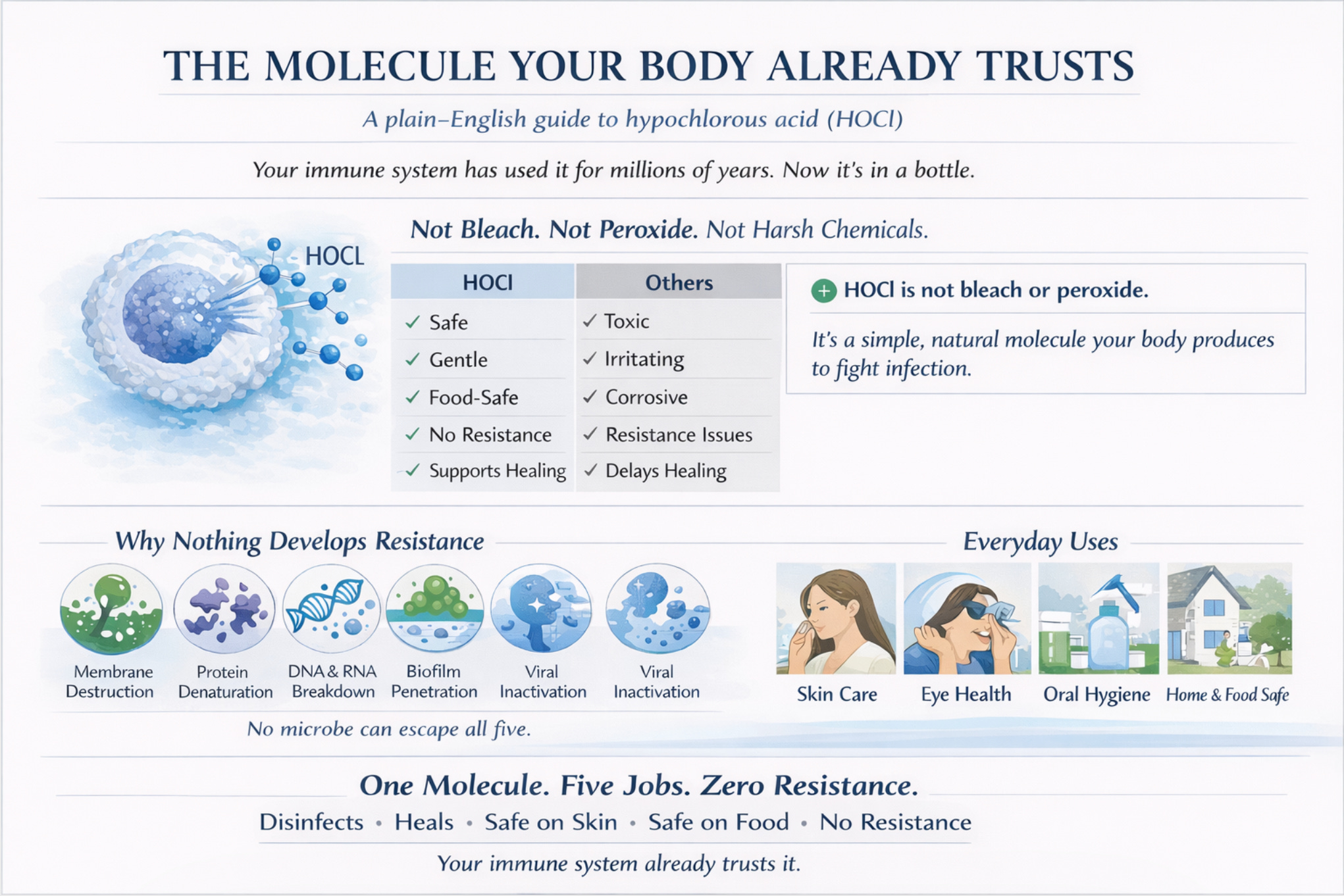
THE MOLECULE YOUR BODY ALREADY TRUSTS: Hypochlorous Acid (HOCl)
Imagine you cut your finger. Within seconds, before you’ve even reached for a bandage, your body has already deployed its first line of chemical defense. Deep inside the white blood cells that flood to the site of injury, a remarkable reaction is taking place: hydrogen peroxide is being transformed, by an enzyme called myeloperoxidase, into a potent antimicrobial oxidant that will annihilate bacteria, viruses, fungi, and virtually anything else that tries to take advantage of your open wound.
That molecule is hypochlorous acid. Scientists write it as HOCl. And your immune system has been relying on it for millions of years.
Here is the extraordinary thing: scientists have figured out how to bottle it. And when they did, they discovered that the same molecule your body produces to fight infection is also, by almost every measure, the most effective and safest disinfectant ever studied. Over 5,600 peer-reviewed papers agree. Regulatory agencies in more than 50 countries have approved it. Military field hospitals have deployed it in war zones. Burn units swear by it. Doctors use it to prepare the eyes of patients for surgery. And yet, until recently, most people had never heard of it.
That is about to change.
“HOCl comprises many of the desired effects of the ideal disinfectant: easy to use, inexpensive, good safety profile, and can be used to disinfect large areas quickly with a broad range of bactericidal and virucidal effects.”
Block & Rowan, Journal of Oral and Maxillofacial Surgery, 2020
From the trenches of World War I to your kitchen counter
The story of HOCl begins in 1915, in the blood-soaked field hospitals of the Western Front. Gas gangrene was killing Allied soldiers at catastrophic rates. Wounds contaminated by the bacterium-rich soil of the trenches were becoming infected faster than surgeons could treat them. The antiseptics of the day, carbolic acid and mercury-based solutions, were barely better than nothing.
Into this crisis stepped Henry Drysdale Dakin, a British biochemist working under the legendary surgeon Alexis Carrel. Dakin developed a dilute chlorine-based solution that, when continuously irrigated through wound cavities via a system of rubber tubes, dramatically reduced infection rates and saved thousands of limbs and lives. The Carrel-Dakin method, as it became known, was adopted across Allied field hospitals on every front. Soldiers who would have died from gas gangrene survived. Amputations that would have been inevitable became avoidable.
The irony is that what Dakin was actually producing, imperfectly and without quite knowing it, was a crude version of HOCl. His solution, made by adjusting the pH of sodium hypochlorite (bleach), contained the active molecule he needed, but in an unstable and impure form mixed with other chlorine compounds. It worked well enough to save lives in the field, even if it was not yet optimized enough to accelerate healing. The cytotoxic effects that the alkaline formulation had on recovering tissue were outweighed, in the grim arithmetic of the Western Front, by the alternative: almost certain death from sepsis.
The problem that would take another century to solve was this: how do you make HOCl stable, pure, and consistent enough to actually be a pharmaceutical product?
Why bleach is not HOCl
Many people assume HOCl is just fancy bleach. It is not. Bleach is sodium hypochlorite, a different molecule, made at alkaline pH, that is toxic to tissue and corrosive to equipment. Pure HOCl, made at the correct acidic pH (3.5 to 5.5), is the specific molecule your immune cells produce. It is 80 to 100 times more potent per unit than bleach, yet non-toxic to human cells. The chemistry is completely different, even though both contain chlorine.
For decades after WWI, scientists understood conceptually that HOCl was the active agent, but they could not produce it in a stable, pure form at scale. Early attempts to acidify bleach produced hazardous chlorine gas. Electrolytic methods existed but were expensive, inconsistent, and generated mixed solutions of uncertain composition. HOCl was known to be promising, but practical application remained out of reach for anything beyond bedside generation.
That changed in the late 1990s and 2000s, when advances in electrochemical engineering finally allowed manufacturers to produce pure, stable HOCl at controlled pH, with verified concentration and oxidation-reduction potential, packaged in containers that kept it potent for years rather than hours. The molecule your immune system had been relying on since before humans walked upright was finally available in a bottle.
And when researchers began systematically testing it against the full range of pathogens and clinical applications, the results were, to put it mildly, remarkable.
Why it works so well, and why nothing has ever developed resistance
To understand why HOCl is so extraordinary as an antimicrobial, you need to understand how most antibiotics and conventional disinfectants work, and why that approach is failing us.
Conventional antibiotics work by targeting a specific biological structure: a particular enzyme, a cell wall protein, a replication mechanism. The problem is that bacteria are extraordinarily adaptable. Over time, through mutation and selection pressure, they evolve workarounds. They change the targeted structure, develop enzymes that break down the drug, or pump the antibiotic out of their cells before it can act. This is antibiotic resistance, and the World Health Organization calls it one of the ten greatest threats to global health.
Conventional chemical disinfectants like bleach, chlorhexidine, and quaternary ammonium compounds work differently, but they also have targeted mechanisms that bacteria can, over time, learn to circumvent. Chlorhexidine, for example, has been shown to induce cross-resistance to multiple antibiotics in Pseudomonas aeruginosa and Klebsiella pneumoniae.
HOCl is fundamentally different. It does not attack one target. It attacks everything simultaneously.
The five-way attack that resistance cannot beat
1. It oxidizes and disrupts cell membranes, causing bacteria to lose structural integrity. 2. It chlorinates and denatures proteins, including enzymes that bacteria need to survive. 3. It fragments DNA and RNA, preventing replication. 4. It penetrates and dissolves biofilm, the protective matrix that makes bacterial colonies so hard to treat. 5. It inactivates viral capsids and envelopes, eliminating infectivity. No organism can simultaneously evolve resistance to all five of these mechanisms. This is why, across more than 100 years of clinical use, no pathogen has ever developed documented resistance to HOCl.
The numbers bear this out. HOCl kills methicillin-resistant Staphylococcus aureus (MRSA) (one of the most feared drug-resistant bacteria in hospitals) in under 30 seconds at concentrations of 10 to 50 parts per million. It inactivates SARS-CoV-2 at 35 ppm in under 30 seconds. It achieves a greater than 99.99% reduction of human papillomavirus (HPV-16 and HPV-18, the strains responsible for most cervical and oropharyngeal cancers) in just 15 seconds of contact time. It eliminates Candida auris, the terrifying multidrug-resistant fungus that has been causing outbreaks in ICUs, within 60 seconds.
And in perhaps its most astonishing capability, HOCl inactivates prions, the misfolded proteins responsible for devastating diseases like Creutzfeldt-Jakob disease and mad cow disease. Prions are virtually indestructible by conventional means: they survive autoclaving at 134 degrees Celsius, they persist in soil for years, and they are unaffected by formaldehyde. HOCl, at room temperature, achieves log reduction values approaching six (that is 99.9999% elimination) within 60 minutes. No other ambient-temperature decontaminant can do this.
The part nobody talks about: HOCl does not just kill germs, it heals
Here is where HOCl parts company completely from every conventional antiseptic. Bleach, povidone-iodine, chlorhexidine, and hydrogen peroxide all share a critical flaw: they kill bacteria by damaging cells, and they are not particularly selective about which cells they damage. Applied to a wound, they kill the bacteria you want dead, but they also impair the fibroblasts and keratinocytes that are trying to close the wound. The cells that form new tissue, the cells that resurface the wound with healthy skin, are getting caught in the crossfire. This is why wounds treated with conventional antiseptics often heal more slowly than wounds treated with saline.
HOCl is different because it is what your body evolved to produce. The concentrations your immune system uses are calibrated to kill pathogens without damaging the surrounding tissue. When scientists began testing HOCl at clinical concentrations on human fibroblasts and keratinocytes, they found that instead of inhibiting these cells, it actually stimulated them. Dose-dependent, favorable effects on migration and proliferation were documented: the cells responsible for wound closure moved faster and proliferated more robustly in HOCl than in any other tested antiseptic environment.
But it goes even deeper than that. At the molecular level, HOCl is actively triggering a cascade of healing mechanisms:
How HOCl actively drives healing
It suppresses matrix metalloproteinases (the enzymes that destroy the scaffolding new tissue needs to grow). It activates HIF-1 alpha, the body’s master switch for angiogenesis (the growth of new blood vessels that a wound needs for perfusion and repair). It triggers vascular endothelial growth factor (VEGF) production, further driving new blood vessel formation. It actually converts skin fibroblasts into vascular endothelial cells (the building blocks of new blood vessels), providing raw material for vascularization that the wound would not otherwise have. It inhibits the inflammatory chemicals that keep wounds stuck in the chronic inflammation phase. And it produces a secondary compound called N-chlorotaurine, which sustains the healing signal in the wound for up to 36 hours after the HOCl itself has dissipated.
This is not theoretical. The clinical evidence is extensive. An international consensus panel reviewed the data in 2015 and found strong clinical evidence specifically supporting HOCl for diabetic foot ulcers, one of the most difficult wound types in all of medicine, responsible for more than half of all non-traumatic limb amputations.
A randomized controlled trial of 67 patients found that HOCl irrigation alone outperformed oral antibiotics for mild diabetic foot infections, achieving a 93.3% clinical success rate compared to 56.3% for levofloxacin plus saline. Another trial found that HOCl reduced the time to surgical closure of infected traumatic wounds so dramatically that, by day 14, 90% of HOCl-treated patients were ready for reconstruction, compared with 0% in the povidone-iodine group. And a remarkable retrospective study of 1,249 venous leg ulcers found that every single one of them healed completely with HOCl-centered care, including 10 patients whose wounds were considered untreatable by conventional approaches.
“HOCl is safe, low cost, painless, easy to perform, and improves wound healing, rapidly preparing the wound for reconstruction better than any conventional antiseptic we have tested.”
Mekkawy & Kamal, University of Assiut, 2016 clinical trial
What this means for your everyday life
You do not have to have a diabetic foot ulcer or a battlefield wound to benefit from HOCl. The same properties that make it extraordinary in clinical settings make it extraordinarily useful in the ordinary demands of daily life.
Skin and inflammatory conditions
If you or someone in your family deals with atopic dermatitis (eczema), rosacea, or seborrheic dermatitis, HOCl is worth knowing about. Research published in Redox Biology demonstrated that HOCl blocks inflammatory gene expression in skin tissue. Studies comparing HOCl to tofacitinib, a pharmaceutical JAK inhibitor used for eczema, found comparable reductions in inflammation, itch behavior, and skin thickness. The key mechanism is reduction of Staphylococcus aureus colonization, the bacteria that drive most eczema flares, combined with direct anti-inflammatory action on the NF-kB pathway, the same inflammatory signaling pathway that expensive pharmaceutical drugs target.
The advantage over pharmaceutical approaches? HOCl costs pennies per application, has no systemic side effects, requires no prescription, and has been shown safe for use on even the most sensitive skin.
Eye and eyelid care
Blepharitis (chronic inflammation of the eyelid margins driven by bacterial overgrowth) affects tens of millions of people and is one of the most common reasons for ophthalmology visits. Standard treatments involve repeated antibiotic courses, which are becoming less effective as resistance increases.
HOCl at 100 parts per million, applied around the eyelids, achieves greater than 99% reduction of staphylococcal bacteria within 20 minutes. It is so safe that it is used to prepare the eye surface before intraocular surgery, a context where extreme precision and zero tolerance for error are required. Products like Avenova, an FDA-cleared HOCl eyelid spray, are now used routinely by ophthalmologists. Surgeons prefer HOCl over the previous standard (5% povidone-iodine) because patients report significantly better comfort and there are no concerns about iodine absorption in pregnant patients or those with thyroid conditions.
Oral health
Research published in peer-reviewed journals has demonstrated that HOCl mouthwash achieves a 4.1 to 5.5 log reduction of SARS-CoV-2 in saliva within one minute. That is a reduction of over 99.99%, outperforming chlorhexidine gluconate 0.2% and hydrogen peroxide 1.5% in direct comparison. For dental practices, this makes HOCl-based pre-procedural rinsing a compelling infection control tool.
For everyday use, HOCl addresses gingivitis, halitosis, and dental plaque without the alcohol that makes conventional mouthwashes harsh or the chlorhexidine that stains teeth and disrupts the balance of the healthy oral microbiome. It is also exceptionally effective at sterilizing toothbrushes; soaking in HOCl for five minutes eliminates virtually all bacterial contamination.
Home disinfection, without the hazmat
The COVID-19 pandemic forced millions of households to use bleach, quaternary ammonium compounds, and other harsh disinfectants at unprecedented volumes and frequency. What most people did not know is that NIOSH and the U.S. National Toxicology Program subsequently determined that the acceptable occupational exposure level for quaternary ammonium compounds (the active ingredient in most commercial disinfectant sprays) is effectively zero. The same products that were sprayed on every surface in schools, restaurants, and homes were causing documented respiratory damage in cleaning staff and healthcare workers.
HOCl is EPA-registered against SARS-CoV-2, Mpox, Candida auris, influenza, norovirus, and dozens of other pathogens. It is also FDA-approved as a no-rinse food-contact sanitizer, safe to spray directly on produce, meat, and food-preparation surfaces without rinsing. It is non-flammable, non-corrosive, and breaks down to dilute salt water within minutes of use. It requires no personal protective equipment to handle. It does not stain, discolor, or corrode surfaces. And it can be safely aerosolized and fogged into rooms, something bleach can never do safely, reaching pathogens in HVAC systems, corners, and surfaces that spray cannot access.
FDA, EPA and USDA approvals for HOCl
The U.S. Food and Drug Administration has approved HOCl for: direct application to meat, poultry, fish, fruits, and vegetables as a no-rinse sanitizer; high-level disinfection and sterilization of medical instruments; topical wound care; eyelid cleansing; and as an antipruritic (anti-itch). The USDA’s National Organic Program lists HOCl as an approved substance for certified organic food production. More than eight branded HOCl formulations have been cleared by the FDA for topical wound management as of 2024. The EPA has certified specific manufacturers and products for use in disinfecting a wide range of pathogens at non-tosic concentrations, and has certified the Curativa Bay HOCl 150ppm product for unlimited shelf life.
Is it safe? The answer is yes, and the evidence is extraordinary
This is the question that almost everyone asks when they first hear about HOCl. Something this effective at killing pathogens must surely be dangerous, right?
Wrong. And the reason why gets to the heart of what makes HOCl unique.
Conventional disinfectants are potent because they are toxic, they damage cells, including human cells. Their antimicrobial action and their tissue toxicity are inseparable. This is precisely why bleach cannot be applied to wounds, why chlorhexidine cannot be used near the eyes, why hydrogen peroxide slows healing, and why quaternary ammonium compounds require ventilation and gloves.
HOCl is potent because of physics and chemistry, not brute toxicity. At the correct pH (3.5 to 5.5), it carries no charge, allowing it to penetrate microbial cell walls that repel charged molecules. It generates oxidative stress at multiple simultaneous targets. But mammalian cells have evolved over millions of years of coexistence with HOCl produced by their own immune systems to withstand exactly this kind of oxidative stress. They have antioxidant defense mechanisms specifically calibrated to protect them from the HOCl produced by their neutrophils.
The result is a therapeutic index (the ratio of effective dose to toxic dose) that is extraordinary by any pharmaceutical standard. Pure HOCl at pH 3.5 to 4.0 has a therapeutic index more than 1,000 times higher than hydrogen peroxide against gram-positive organisms. That means there is enormous room between the concentration that kills bacteria and the concentration that would harm human tissue.
What the safety record actually shows
Across more than 100 years of clinical use and more than 5,600 peer-reviewed publications, no case of adverse reaction attributable to pure, properly formulated HOCl appears in the medical literature. In controlled rodent inhalation studies, rats exposed to dense HOCl fog for four hours showed no pathological changes. In human surveys of voluntary inhalation exposure (employees using HOCl fog as COVID-19 prophylaxis), more than 450 exposures produced only 2.6% reporting minor transient effects like nasal tingling. The U.S. EPA, FDA, USDA, European Chemicals Agency, Australian TGA, and Health Canada have all independently evaluated HOCl and approved its use across multiple categories. The environmental safety record is equally clean: HOCl degrades to dilute salt water within minutes of use, leaving no toxic residue.
How HOCl compares to what you are probably using now
Most households rotate among a small collection of cleaning and disinfecting products: bleach-based sprays, alcohol-based sanitizers, chlorhexidine wipes, hydrogen peroxide cleaners, and quaternary ammonium disinfectants. Here is how HOCl compares across the properties that actually matter:
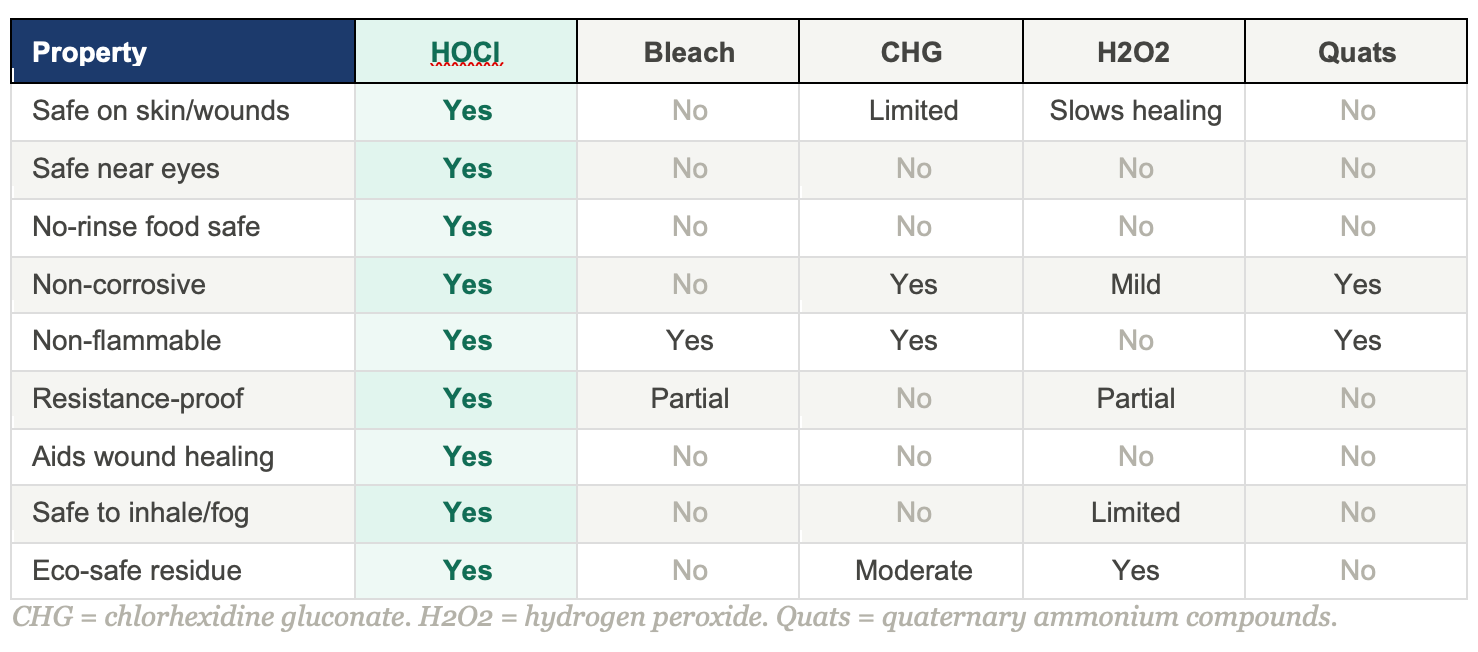
What to look for when you buy
Not all HOCl products are created equal. The molecule is highly sensitive to pH and formulation, get it wrong, and you end up with a mixture that contains cytotoxic hypochlorite rather than pure, potent HOCl. Here is what the science says matters:
pH between 3.5 and 5.5. This is the range where HOCl predominates as the pure active species. At higher pH (above 5.5), the solution converts increasingly to hypochlorite, less potent and potentially tissue-toxic. Products claiming to be pH-neutral or pH 7 contain predominantly hypochlorite, not HOCl, regardless of what the label says. Roughly the same pH as black coffee. Same as healthy skin. Look for this on the label or specification sheet.
Active HOCl concentration between 100 and 500 ppm. The FDA clears wound care products in the 100 to 200 ppm range. Environmental disinfection products may go up to 500 ppm. Products significantly outside this range in either direction may be either ineffective (too low) or unnecessarily irritating (too high for certain applications).
Greater than 99% pure HOCl. Modern electrochemical manufacturing, when done correctly, produces solutions containing only HOCl with no detectable hypochlorite, chlorate, chlorite, or elemental chlorine. This purity is what guarantees both the efficacy and the safety profile described in the clinical literature. Ask for a certificate of analysis.
Oxidation-Reduction Potential (ORP) above 800 mV. ORP is the key measure of the solution’s actual antimicrobial capacity. High-quality HOCl solutions typically show 900 to 1200 mV. This is what actually kills pathogens, not just the chlorine concentration. Some products have acceptable chlorine numbers but low ORP, meaning the HOCl has degraded into less active forms.
Verified shelf life. Properly manufactured HOCl in appropriate sealed packaging maintains its potency for two to five years at room temperature, including in tropical conditions. If a product cannot state its verified shelf life, or if that shelf life is only days or weeks, it is not a properly stabilized formulation.
FDA registration or EPA registration for your intended use. For wound care, look for FDA-cleared wound care products. For surface disinfection, look for EPA registration numbers. For food contact surfaces, look for FDA food contact clearance. Reputable HOCl manufacturers (including Curativa Bay) can supply all of these.
The bigger picture: why this matters now
We are living through a moment when the limitations of our conventional antimicrobial toolkit are becoming painfully visible. Antibiotic resistance is responsible for an estimated 700,000 deaths per year globally, a number projected to reach 10 million annually by 2050 if trends continue. The pipeline of new antibiotics is nearly empty. Many of our go-to disinfectants are contributing to the problem, selecting for resistant traits in exactly the bacteria we are trying to eliminate.
At the same time, the COVID-19 pandemic exposed just how toxic our standard disinfection practices were when deployed at scale. When bleach, quaternary ammonium compounds, and peracetic acid were sprayed on every surface in every building across the developed world for two straight years, the consequences (documented respiratory damage, ecological contamination, equipment corrosion) became impossible to ignore.
HOCl sits in a unique position in this landscape. It kills every pathogen that matters, including the antibiotic-resistant ones. It kills them with mechanisms that cannot generate resistance. It does so without contributing to resistance, without damaging tissue, without producing environmental toxins, and without requiring hazardous handling. The WHO has formally proposed its inclusion in the Essential Medicines List. Medecins Sans Frontieres has lobbied for its adoption globally. Military and humanitarian organizations have deployed it in the most extreme environments on earth.
It degrades to salt water. It costs about a dollar a liter at scale. It can be made from water and salt with a refrigerator-sized machine anywhere in the world.
The molecule your immune system has been using to fight infection since before you were born is finally available in a form you can put on your bathroom shelf, your kitchen counter, and in your medicine cabinet.
“HOCl offers a significant ability to protect humanitarian aid workers, the populations they serve, and the communities that receive displaced families. When used for traumatic injuries it can eliminate microbial wound biofilms while decontaminating tissue, potentially reducing the risk of sepsis while improving the rate of healing.”
Rasmussen & Williams, IEEE Global Humanitarian Technology Conference, 2017
The bottom line
HOCl is not a wellness trend. It is not a supplement with anecdotal support. It is a rigorously studied, regulatory-approved, clinically validated antimicrobial and wound-healing agent backed by over a century of evidence and more than 5,600 peer-reviewed publications. It has been used in burn units, military field hospitals, Ebola treatment centers, dental surgeries, and ophthalmology clinics. It is approved for use on food by the USDA and FDA. It has been proposed for inclusion in the WHO Essential Medicines List.
And it is the molecule your own white blood cells produce every time you get injured or infected.
The fact that it took this long to make it available in stable, pure, consumer-accessible form is one of the more frustrating chapters in the history of medical technology. The good news is that the wait is over.
Look for it. Read the label carefully (pH 3.5 to 5.5, greater than 99% HOCl, verified shelf life). Buy from manufacturers who can show you their FDA or EPA registration. And consider what it would mean to have a single, safe, extraordinarily effective product that could replace the bleach spray, the harsh wound wash, the chemical-laden mouthwash, and the disinfectant wipes you are probably cycling through right now.
Your immune system already trusts this molecule. Now you can too.
150 ppm Hypochlorous Acid with unlimited shelf life certification from EPA with all of the characteristics cited above can be purchased from Curativa Bay.
Conflict of interest disclosure: Robert and Jill Malone are members of Curativa Bay senior management and hold equity in Curativa Bay - because we personally use and believe in the usefullness of Curativa Bay and CuraClean HOCl products.
Use promocode hocl15 for 15% off the list price of all Curativa Bay HOCl purchases via this website link.
Note: Apparently this AM (Tuesday Apr 07) the server farm that hosts the Curativa Bay site (Cloudfare) was hit with a bot-driven DNS attack. Curativa management is doing what it can to bypass this ASAP. Please be patient!
Update: Server is back on line as of 10:07 EST!
We keep this product on the kitchen counter for berries and fruit!
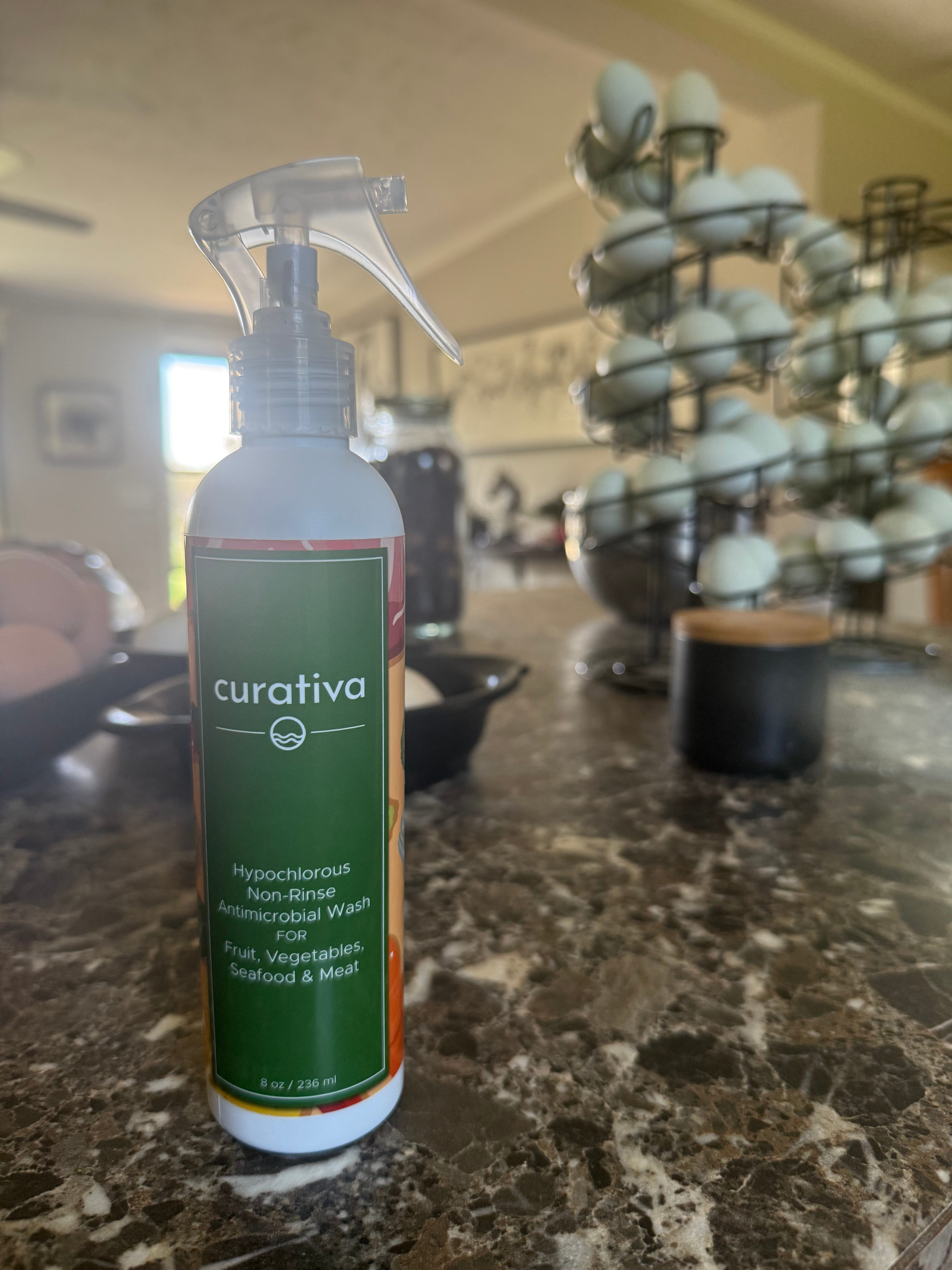
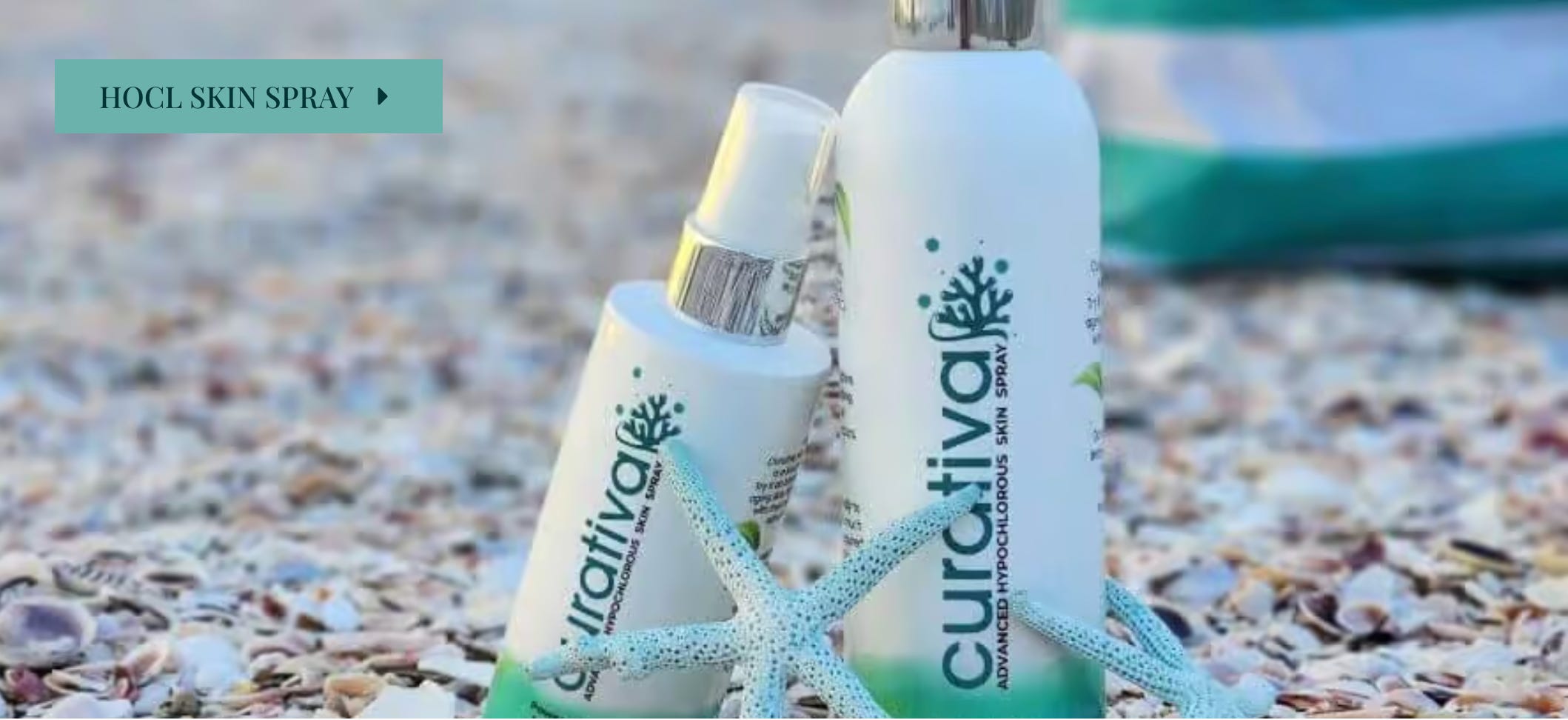
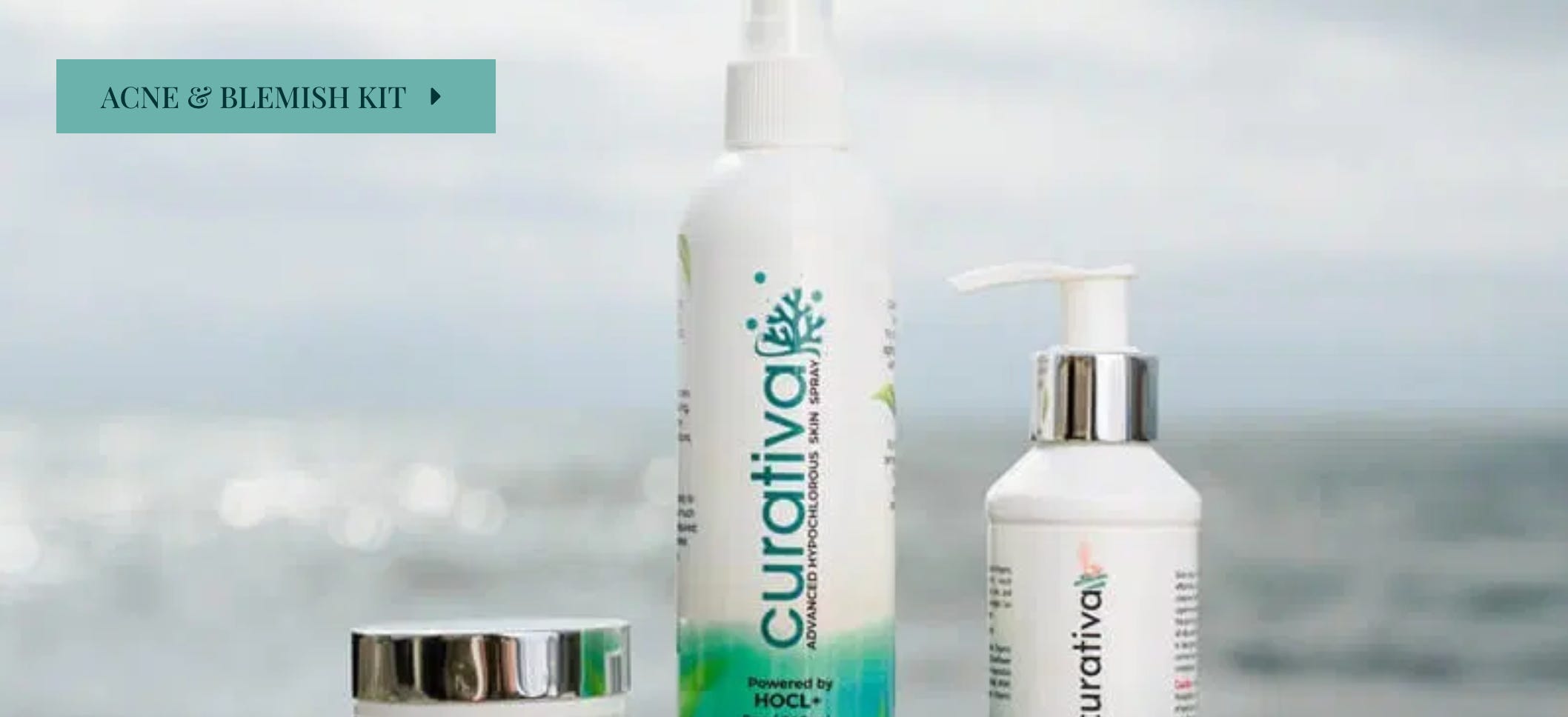
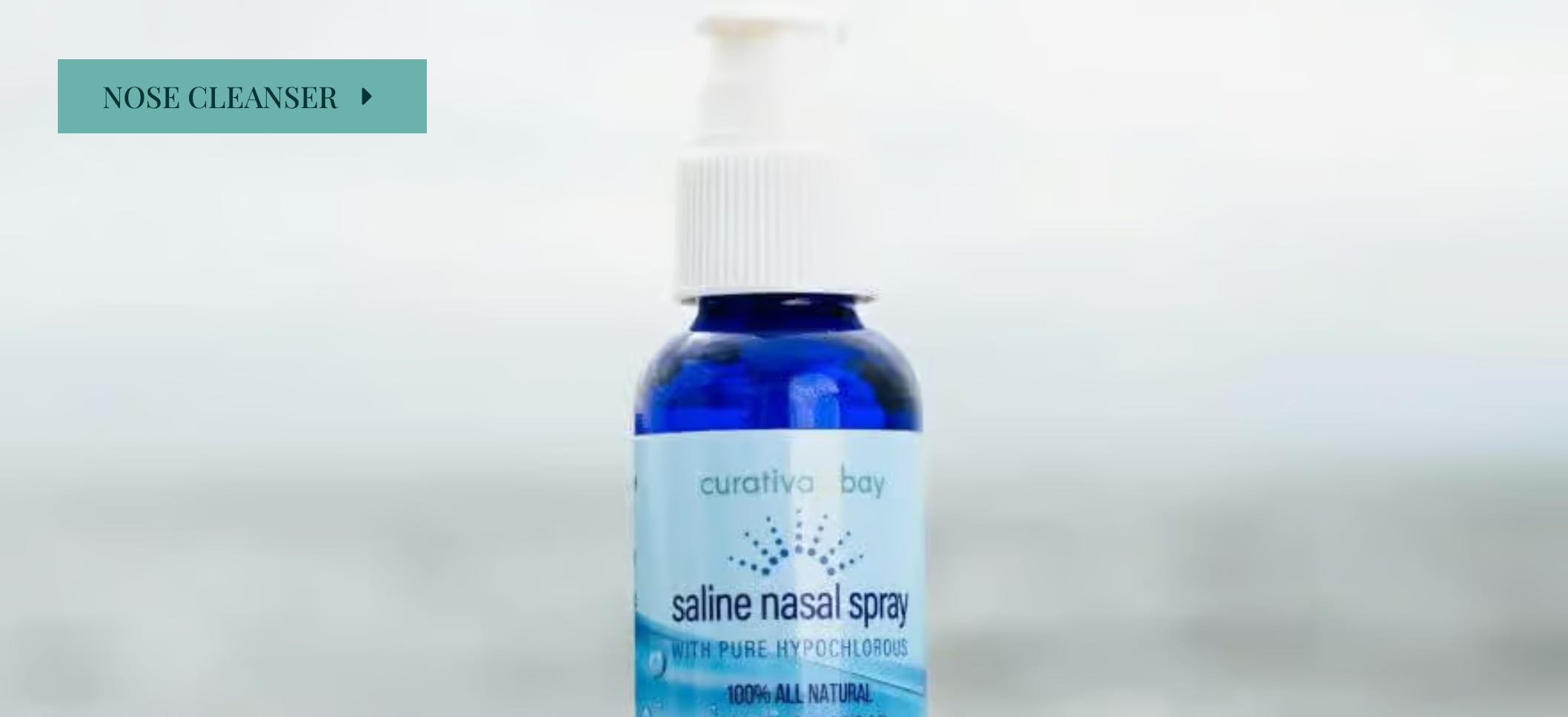
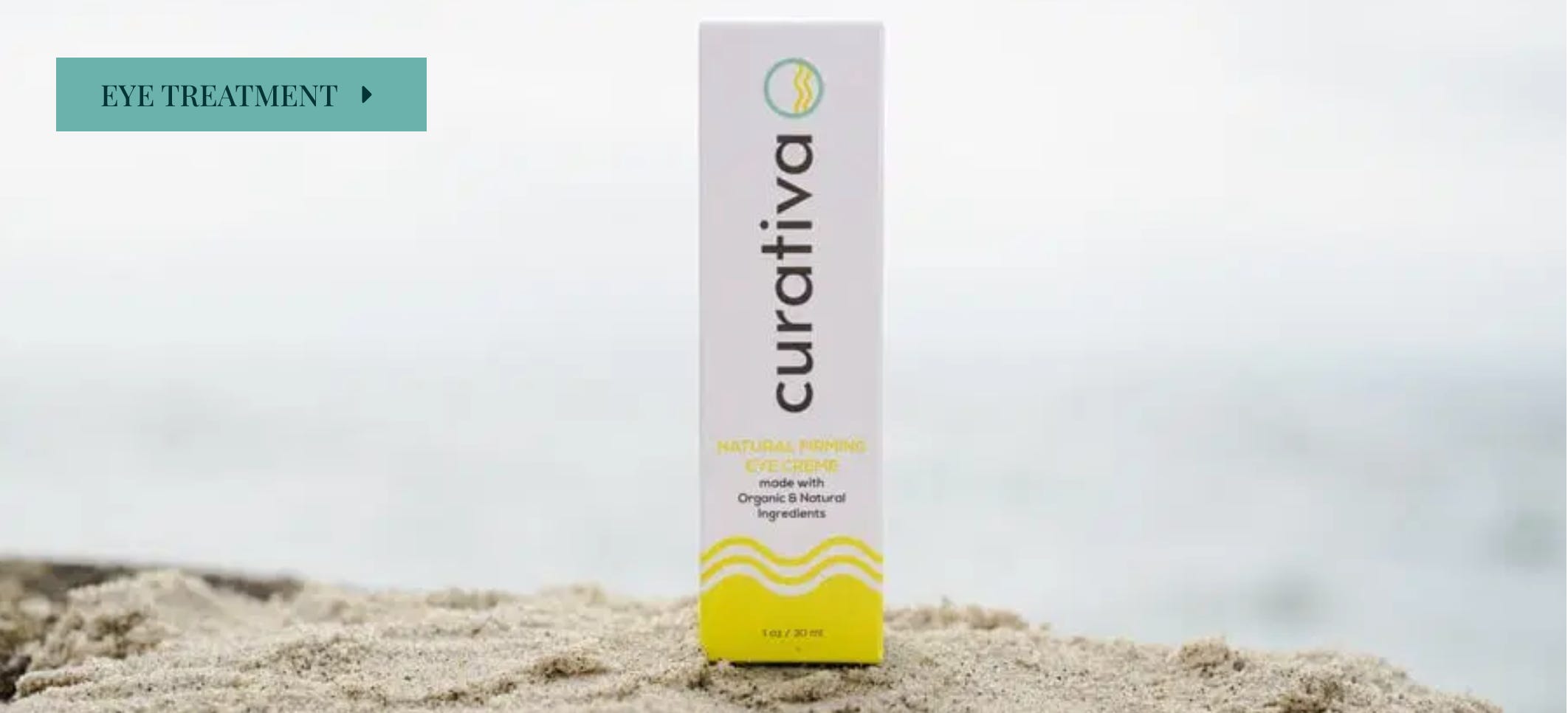
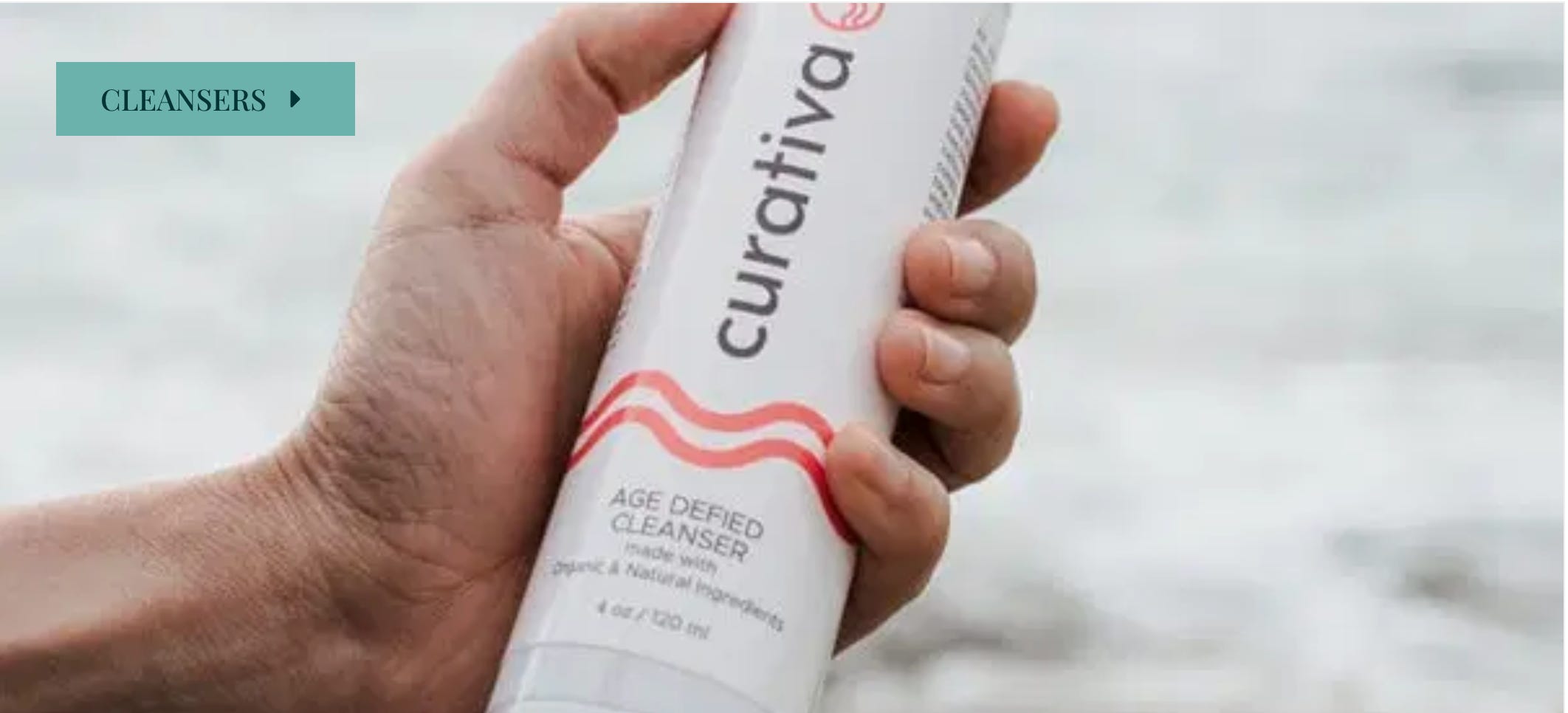
Product examples include the following:
Note: Apparently this AM (Tuesday Apr 07) the server farm that hosts the Curativa Bay site (Cloudfare) was hit with a bot-driven DNS attack. Curativa management is doing what it can to bypass this ASAP. Please be patient!
This is so exciting and I'm on it now! Between this and DMSO our health is transformed! I can't wait to get my supply. This has got to be a good company or you never would endorse it, I feel so fortunate to know I can trust these recommendations. Thank you once again for adding information and knowledge to my life. I will spread the word. Today I go to a holistic vet for my older cat tooth cleaning, she will be the first to know.