

Audio Version:
By: Robert W. Malone, MD, MS, and Jill Glasspool Malone, PhD
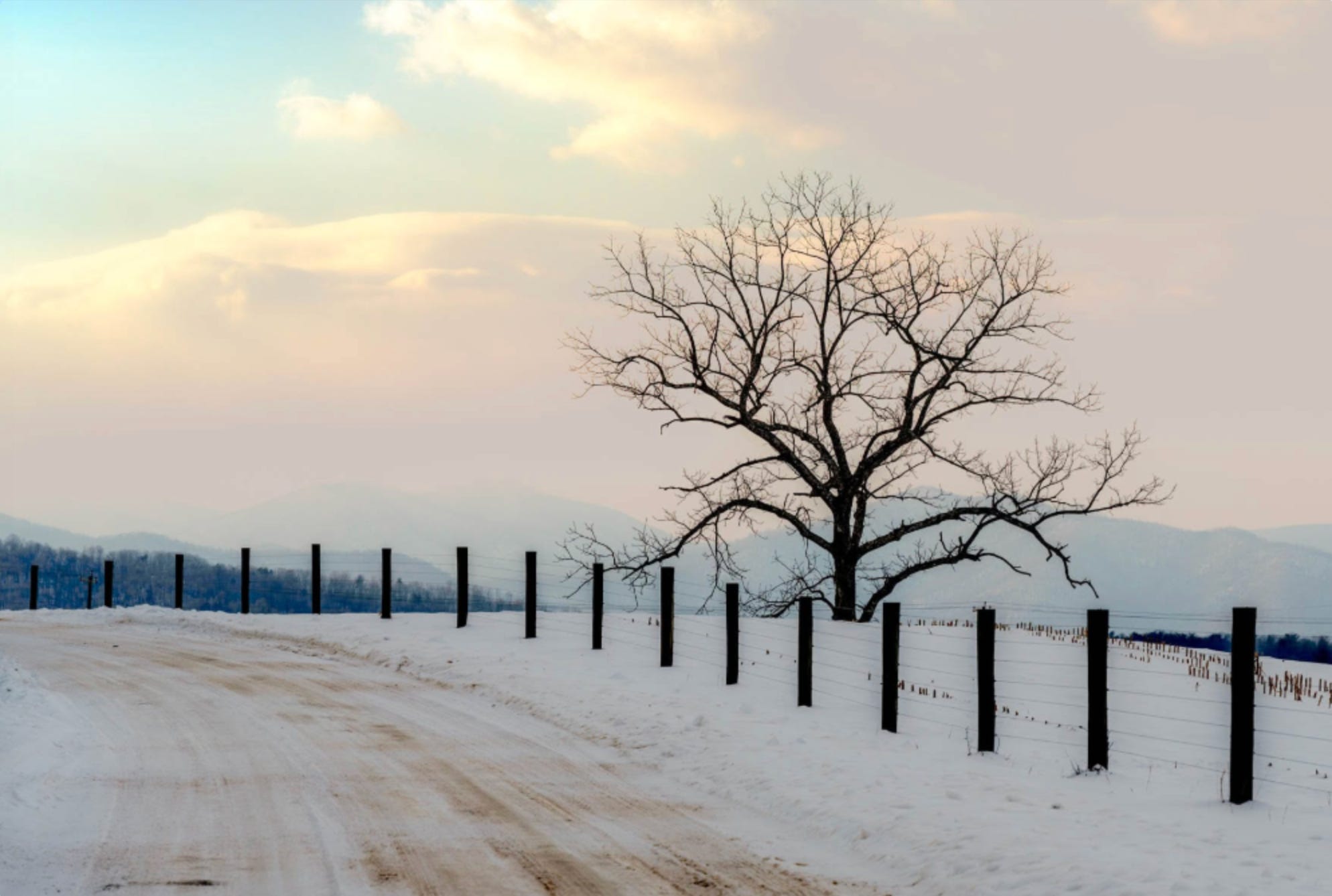
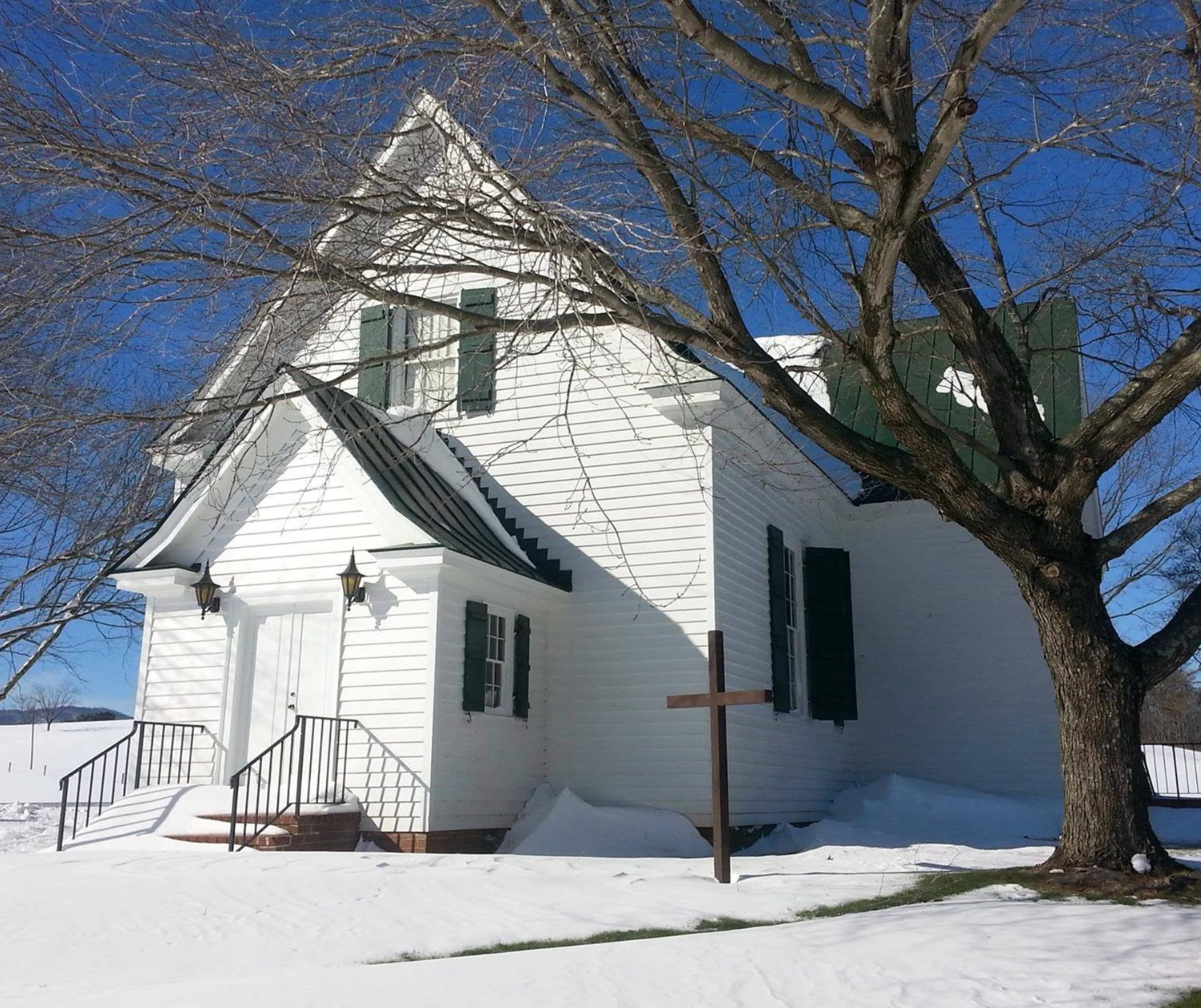
In January 1789, snow covered the ground around a plain wooden church at the foot of the Blue Ridge. Inside, a German-speaking Lutheran congregation finished its worship service. Two fiddlers played afterward, because this congregation loved music. Then the whole crowd went outside to hear two young Virginians argue about the new Constitution.
One was James Madison, age thirty-seven. The other was James Monroe, age thirty. Both would later become President. That winter they were rivals for a seat in the first United States Congress, and each wanted the votes of the families standing in the snow.
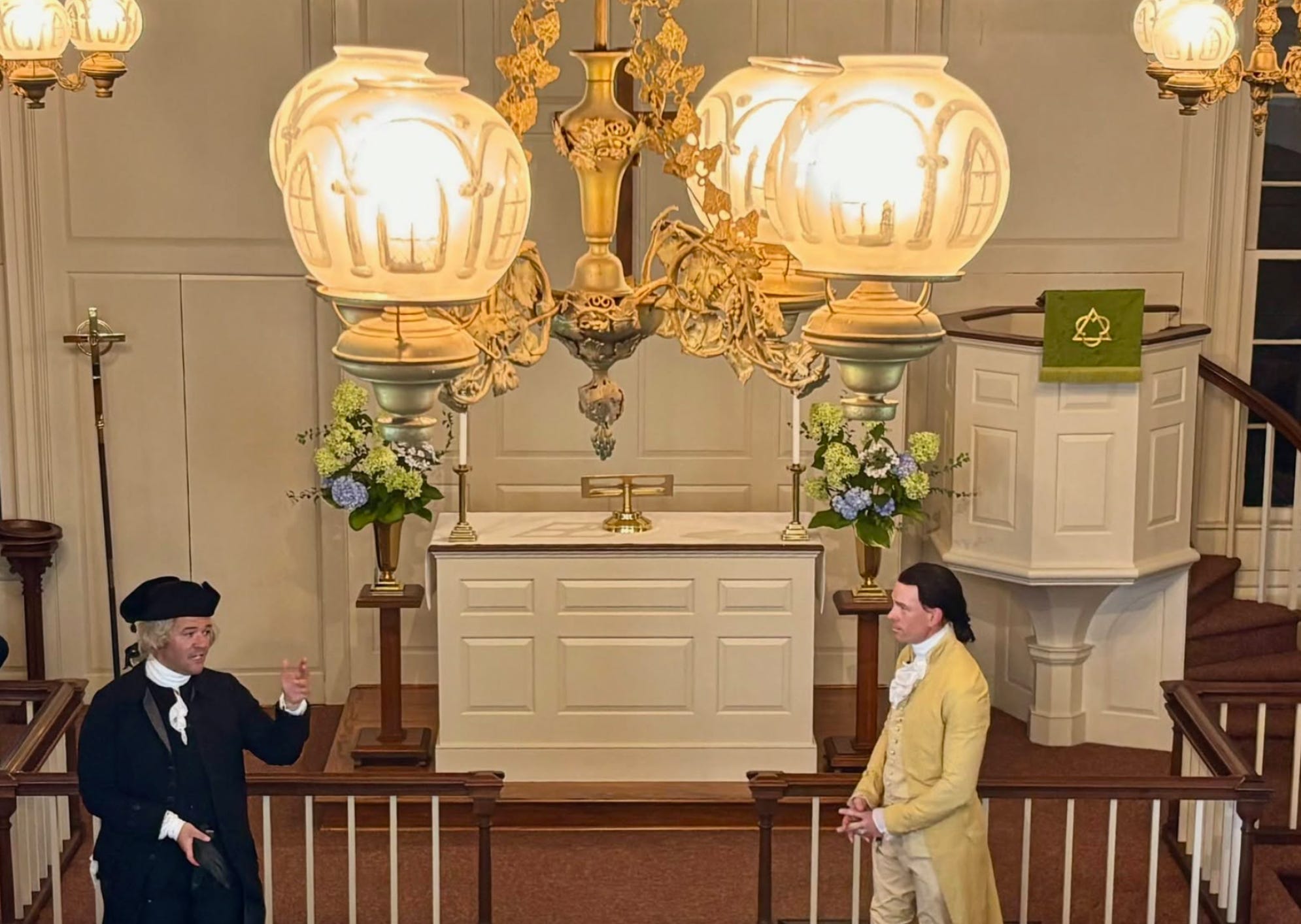
Madison was an unlikely figure for the rough-and-tumble of Virginia politics. He was small and slightly built, and by his own later account was no commanding public speaker. Monroe, seven years younger, had already been wounded fighting in the Revolution. Yet here they were, campaigning against each other in the Virginia countryside in the middle of winter.
Madison told the story forty years later to his young friend Nicholas Trist. He called the congregation “a nest of Dutchmen” whose votes might tip the election. He remembered keeping the audience outdoors in the snow while the candidates discussed “constitutional subjects.” Riding home afterward, Madison froze his nose. As an old man, he would point to the scar on its left side and call it a battle wound.
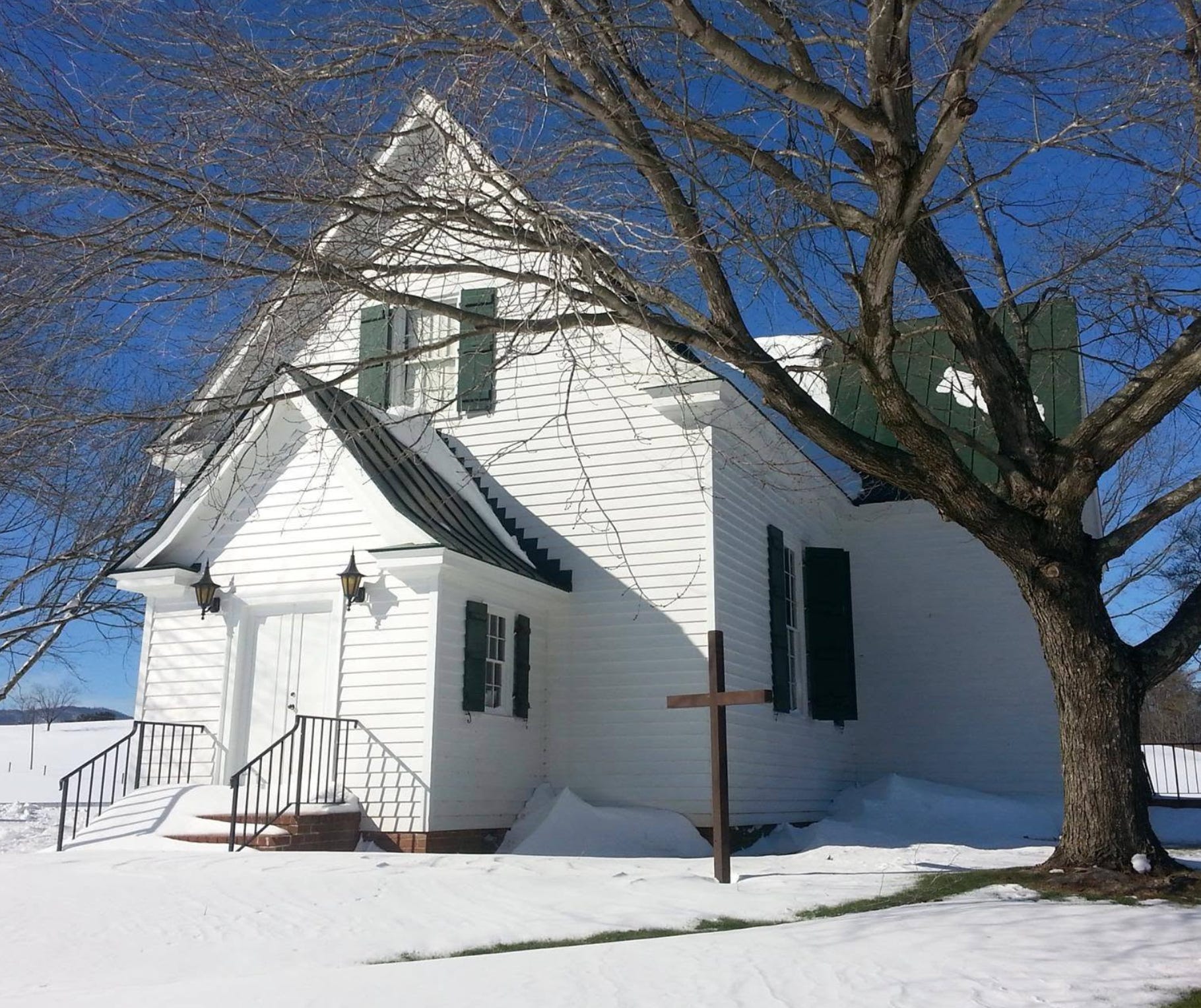
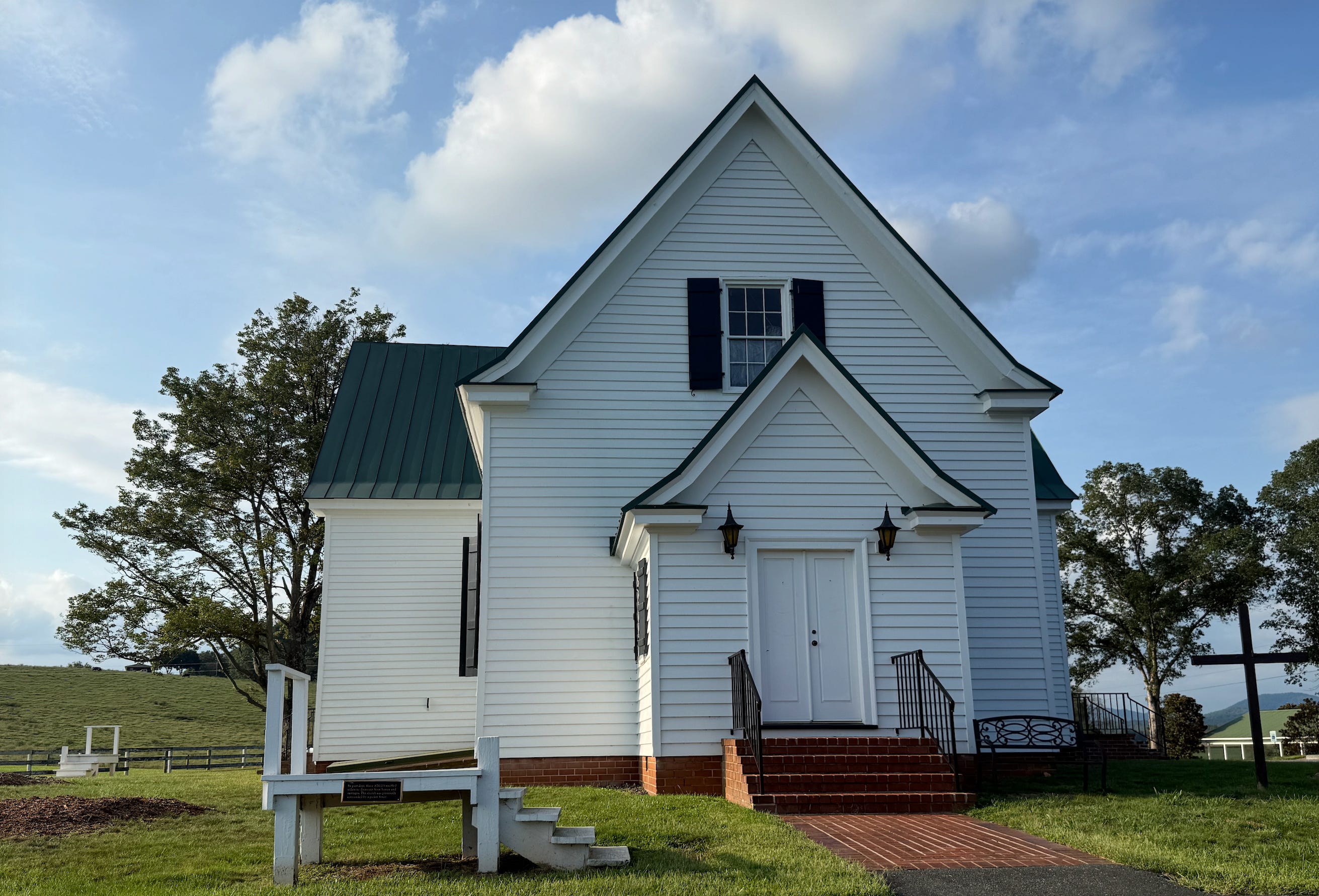
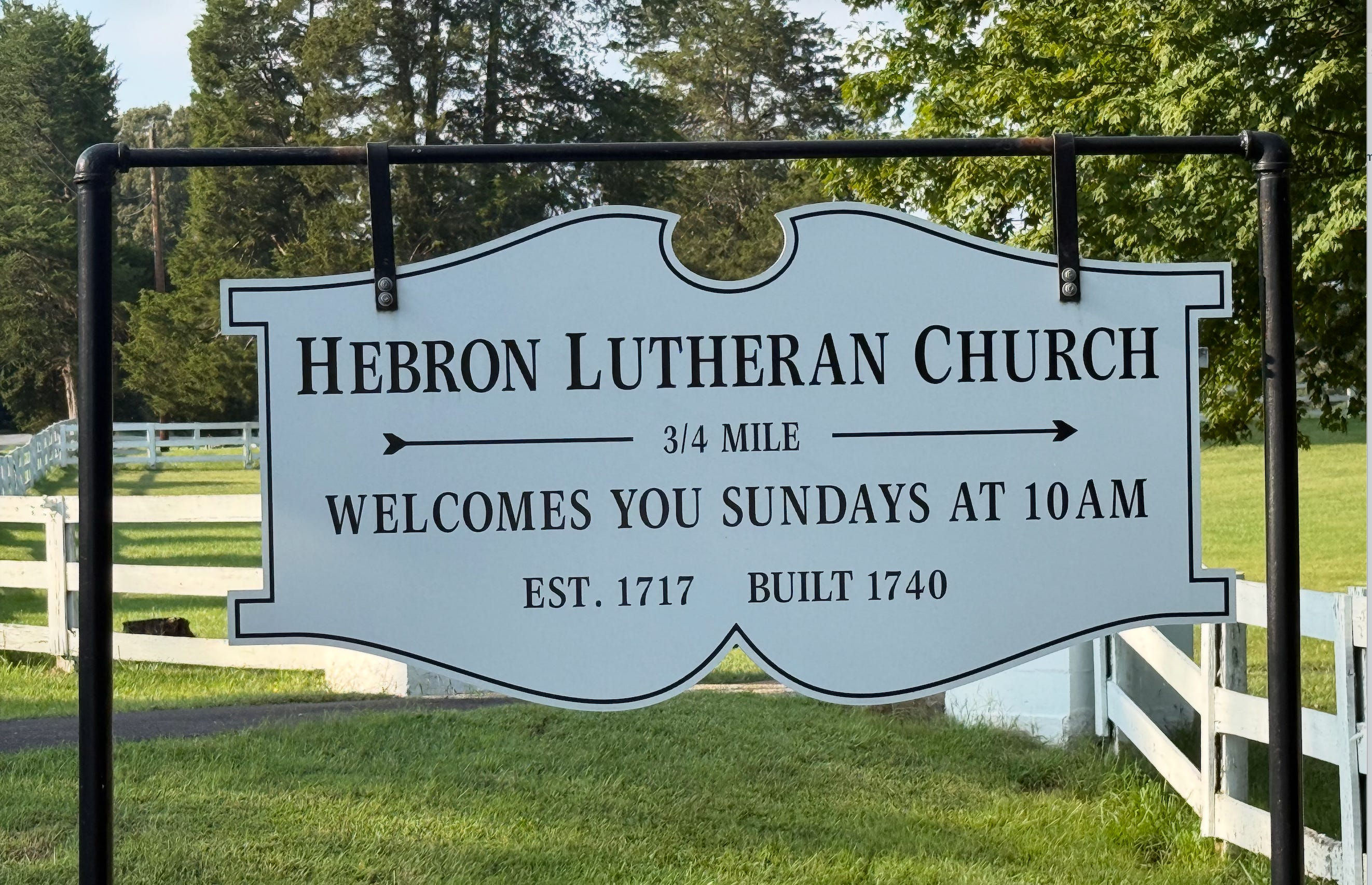
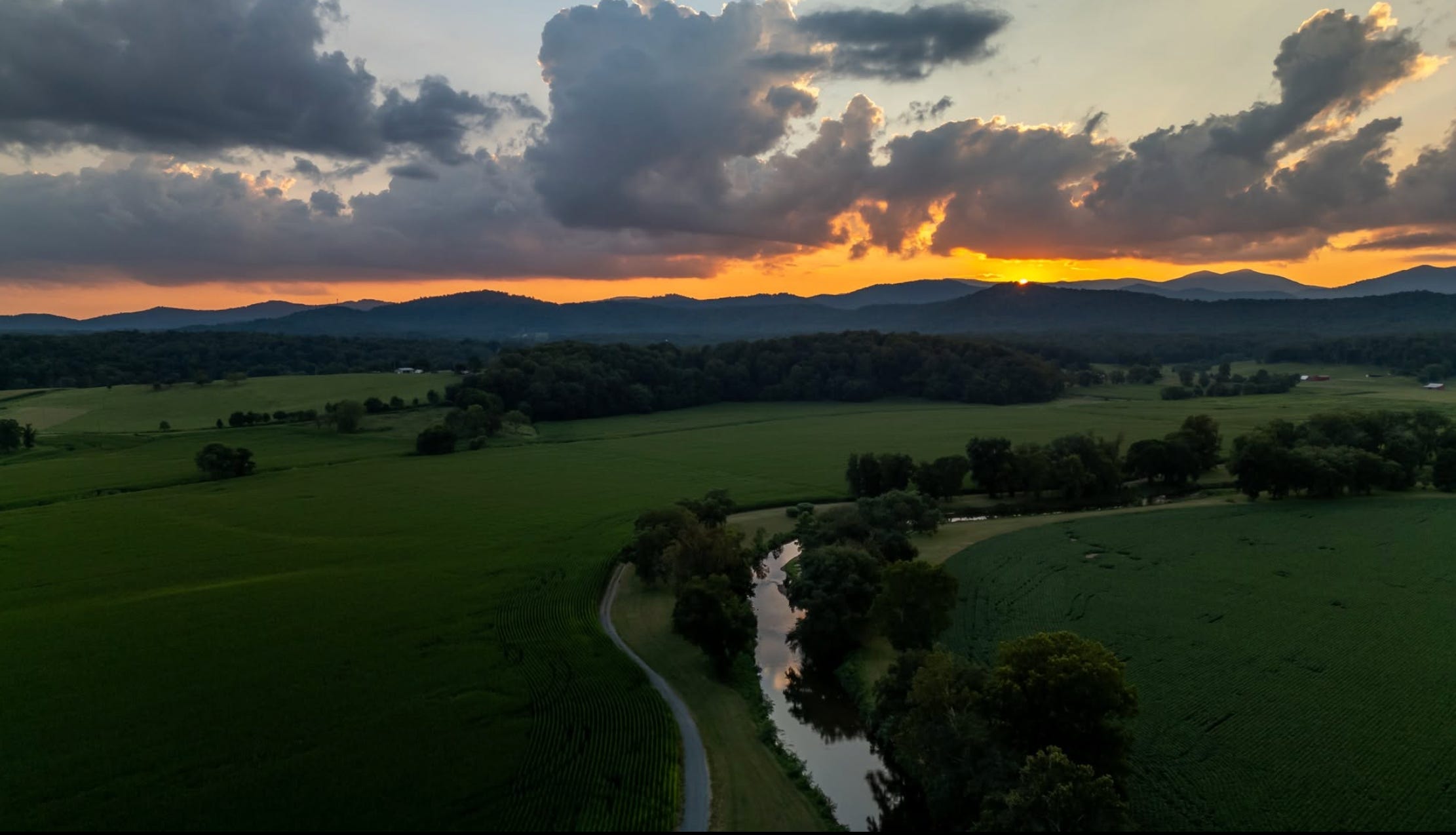
That church still stands proudly. Hebron Lutheran Church, in Madison County, Virginia, is the oldest church building in continuous Lutheran use in America. Jill and I farm on Hebron Valley Road, just a couple of miles from the church.
Madison won that 1789 election by 336 votes. Within months, he introduced the amendments that became the Bill of Rights. The families who worshipped in that church, and whose dead now lie in its churchyard, had been fighting for seventy years for what would become the First Amendment’s opening guarantee: that government could neither establish a religion nor prohibit its free exercise.
A Hijacked Voyage
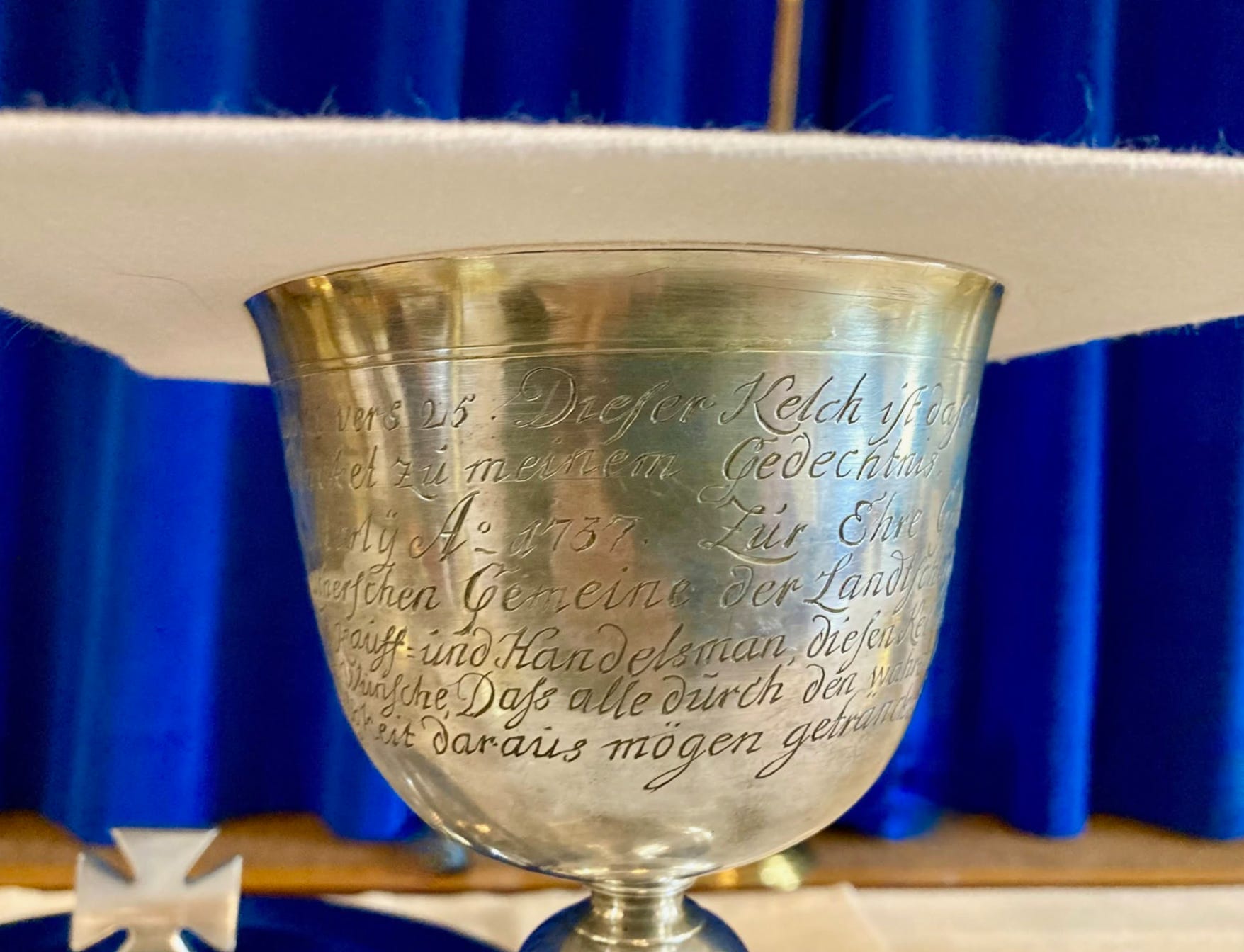
In 1717, about eighty Lutherans from southwestern Germany waited in London for passage to Pennsylvania. William Penn’s colony there offered land and freedom of worship. While they waited, they worshipped at a German Lutheran church in London and formally organized themselves as a congregation. That congregation would eventually become Hebron Lutheran Church, and it still worships there today.
Their departure was delayed when their captain, Andrew Tarbett, was thrown into debtors’ prison. While he negotiated with his creditors, the German families remained stranded in London, and their limited savings continued to drain away.
Tarbett had another connection that would prove consequential. Earlier that year, he had met Virginia Governor Alexander Spotswood, who had let ship captains know that he wanted German settlers for his frontier lands and was willing to pay their transportation costs. When Tarbett finally secured his release and sailed, he did not take his passengers to Pennsylvania as promised. He took them to Virginia instead. Tarbett later claimed that storms had blown the ship off course.
The families arrived in Virginia penniless, in a colony they had never intended to enter. Spotswood paid Tarbett for their passage, and the Germans were then held to seven years of labor on Spotswood’s frontier lands along the Rapidan River. They would later dispute that they owed him anything at all, and surviving records cast doubt that they had any agreement with him.
They had contracted for passage to Pennsylvania, where they expected land and religious freedom. Instead, they were taken to Virginia against their wishes and forced into seven years of labor for Alexander Spotswood, Virginia’s royal governor, the Crown-appointed official who effectively ruled the colony.
The Escape to Hebron Valley
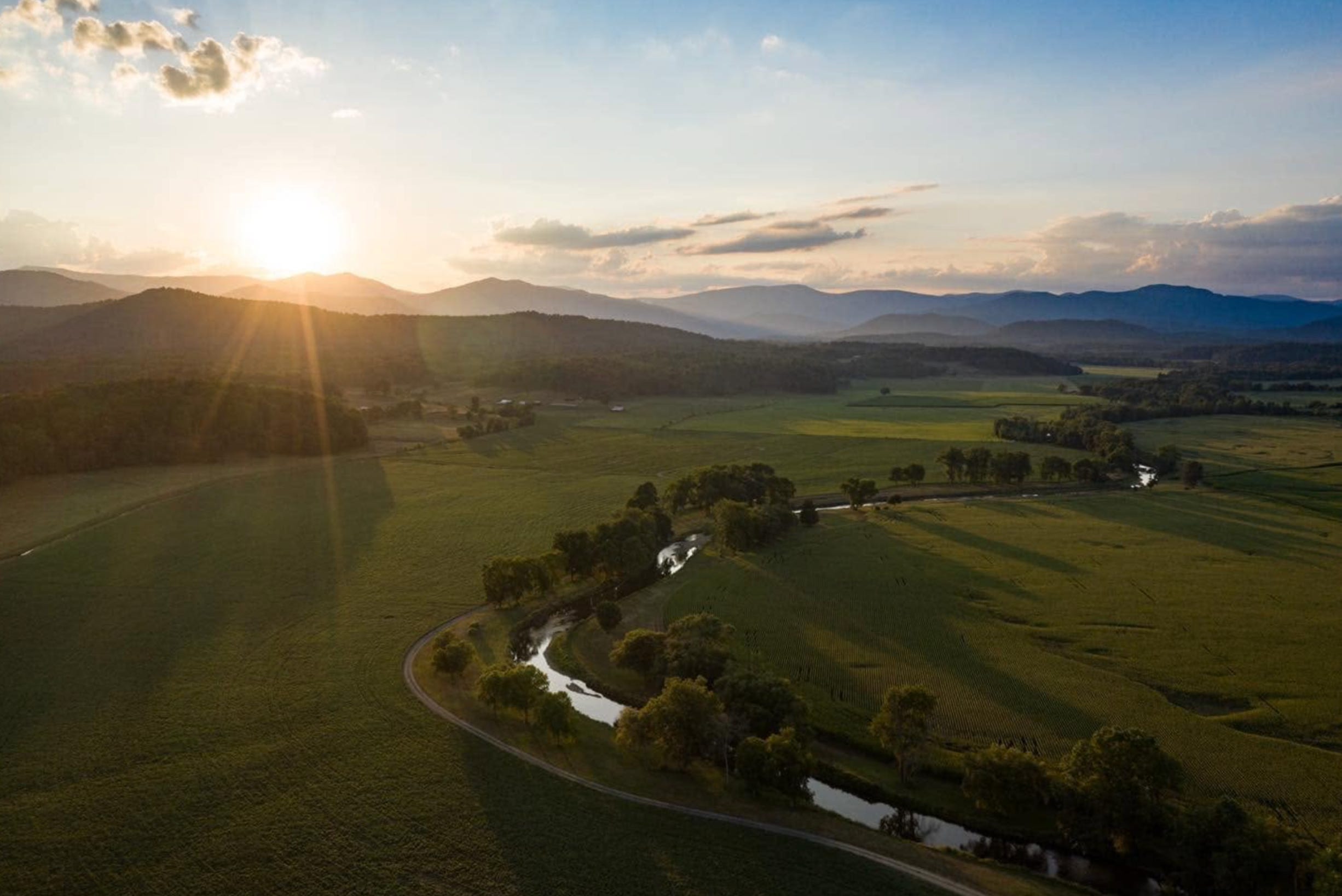
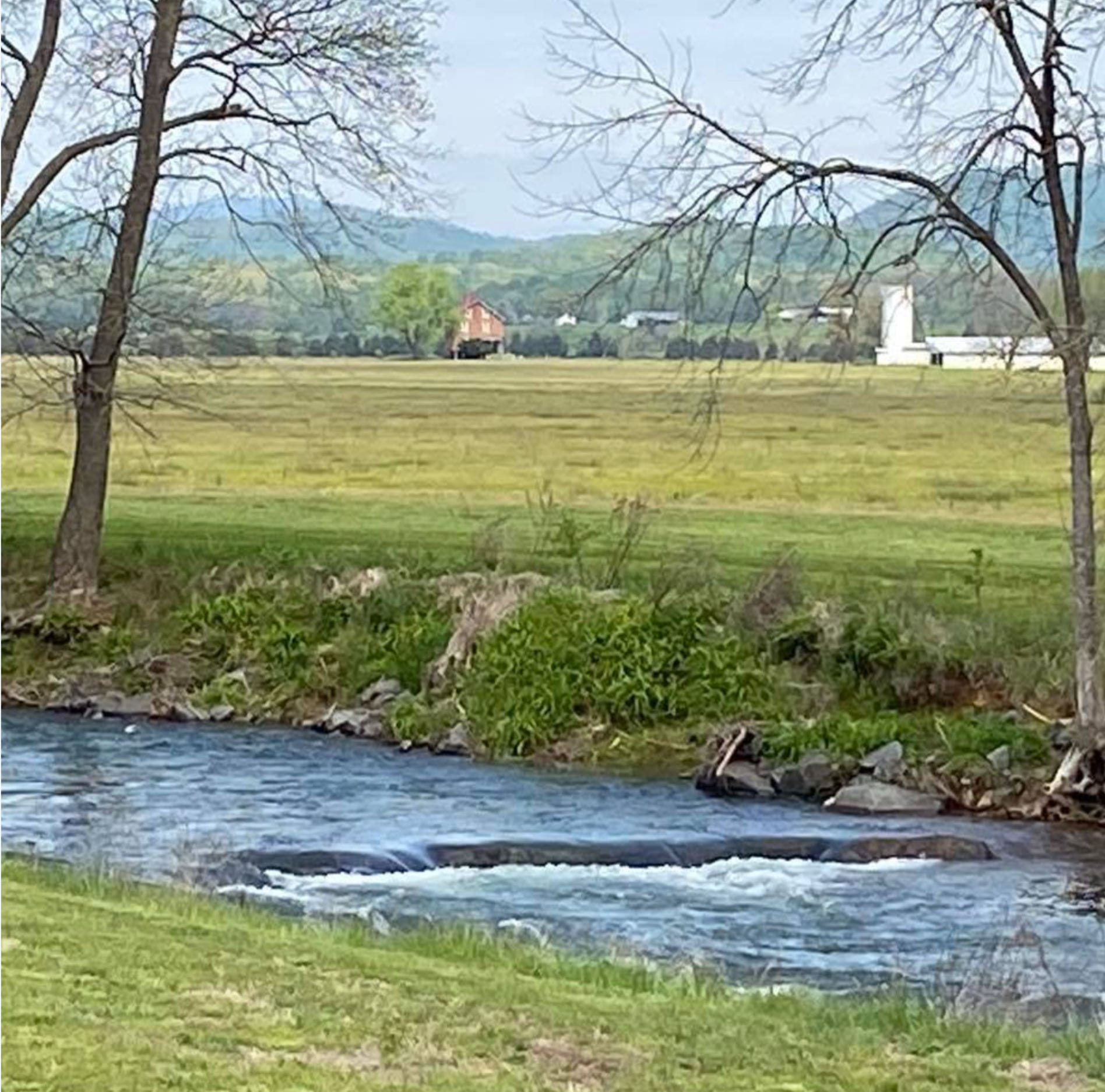
Families who have lived in this valley for generations tell the next part as an escape. Spotswood, the story goes, intended to hold the Germans to their disputed seven years of labor and then keep them even longer. Some of the men slipped away at night and scouted west toward the mountains. They found a fertile valley, enriched by centuries of river sediment, where the Robinson River comes down from the Blue Ridge. Then, on another night, the story says, the whole community left Spotswood behind and settled there.
The court records confirm the conflict behind the legend. Between 1723 and 1725, Spotswood sued many of the Germans, claiming they still owed him labor and money and attempting to prevent them from leaving. The suits were tried in Spotsylvania County, named for Spotswood, before juries drawn from his own social class. The Germans answered that, by law, they owed him nothing.
They took their case beyond the local courts and petitioned the House of Burgesses, the elected lower house of Virginia’s colonial legislature. The colonial Council ultimately ordered the King’s deputy attorney in the county to defend them. Spotswood recovered only a fraction of what he demanded. By 1726, the families had secured land patents, the colonial grants that gave them legal title to their own land, in the Robinson River valley. Their plea to the Burgesses was the congregation’s first petition to a Virginia legislature.
The valley eventually took a name from Scripture. In the Book of Numbers, Moses sends twelve men ahead to scout Canaan. They reach Hebron and bring back a cluster of grapes so heavy that two men carry it on a pole. They report a land flowing with milk and honey. The German settlers had also sent men ahead to scout the country before moving their families into the valley. Anyone who has seen this valley in June, or fished the Robinson River, can understand why they stayed. Many anglers consider it among the finest trout streams in Virginia.
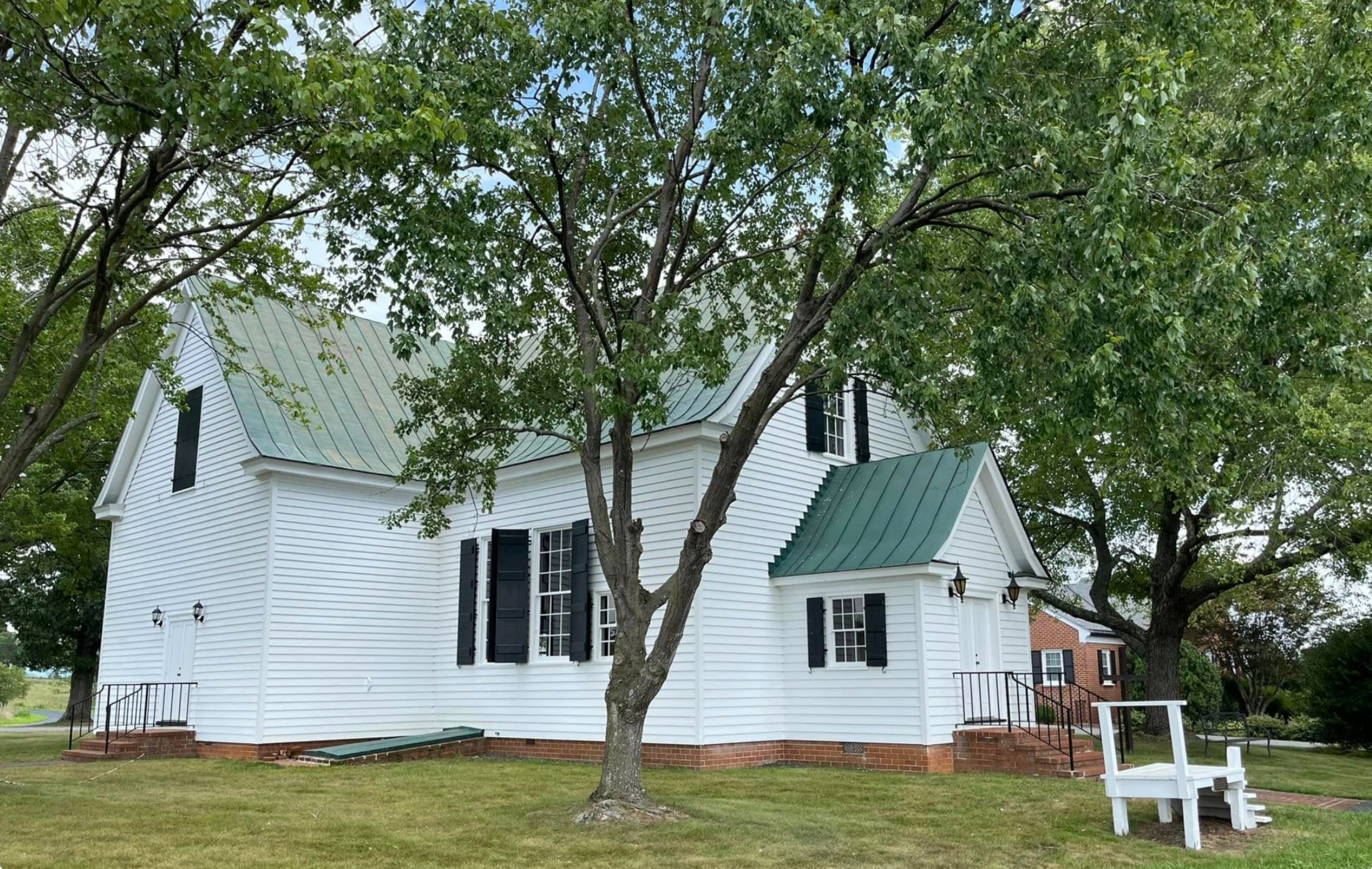
The settlers first worshipped in a log building they called the “German Chapel.” In 1734, Pastor John Caspar Stoever and two members of the congregation sailed all the way back to Europe to raise money for a permanent church, a school, and a second pastor. The present Hebron Lutheran Church was built in 1740.
The “Established” Church and Forced Taxation
Freedom from Spotswood did not mean religious freedom. In colonial Virginia, the Church of England was the established church. “Establishment” had a very practical meaning: the government recognized and supported one favored church, collected taxes for its clergy, granted it legal privileges, and regulated the ability of other denominations to preach and worship. It is this meaning of “establishment” that survives in the opening words of the First Amendment: “Congress shall make no law respecting an establishment of religion.”
Every household was assessed parish taxes, often paid in tobacco, to support the local Anglican minister and the glebe, which was the term for the farm and residence provided for his use. The Lutherans of the Robinson River therefore paid taxes to support the established Anglican church while also supporting their own pastor and chapel.
The Baptists fared far worse. Beginning in 1768, Virginia county magistrates jailed Baptist preachers under laws governing public order for preaching without a license. On June 4 of that year, the sheriff of Spotsylvania seized John Waller, Lewis Craig, and James Childs. The magistrates offered to free them if they promised not to preach in the county for a year and a day. They refused. As guards marched them through the streets of Fredericksburg to jail, the three men sang an Isaac Watts hymn: “Broad is the road that leads to death”.
Jail did not silence them. One Anglican churchman complained that the Baptists simply preached through the prison windows. At one jail, authorities built a high plank fence in front of the windows to prevent prisoners from preaching to people outside. Their followers raised a handkerchief on a pole above the fence as a signal that a congregation had gathered, and a prisoner preached through the boards to a crowd he could not even see.
The Culpeper jail, a short ride from Hebron, held Baptist preachers James Ireland, Elijah Craig, and others at different times. Near Culpeper Courthouse, attackers caught a Baptist layman named Thomas Waford at a spring and beat him for helping arrange the preachers’ meetings. He carried the scars past his eightieth year.
Much of this history survives because Charles F. James, a Baptist minister who had himself pastored in Culpeper, went back to the Virginia Assembly journals, original petitions, and the letters of Madison and Jefferson. In his 1900 Documentary History of the Struggle for Religious Liberty in Virginia, he printed the documents chronologically so readers could examine the evidence themselves (James 1900, 7, 8). James wrote partly to rebut Patrick Henry’s grandson in a public dispute over which denomination deserved the most credit for securing religious liberty in Virginia. He made no secret of his Baptist perspective, but his lasting contribution was to gather the original documents and let them tell much of the story.
Toleration Is Not Liberty
Toleration means the state permits your church to exist. But permission can also be withdrawn. Under toleration, the government still claims the power to decide which religions are acceptable, to license preachers, and to tax people for the support of its favored church.
Religious liberty rests on a fundamentally different principle: the state has no authority over a person’s conscience. James defined it as the natural right of every person to worship according to conscience, with no earthly power entitled to compel religious conformity or tax anyone for religion.
That distinction became important in June 1776, as Virginia was declaring its independence from Britain. George Mason had drafted the Virginia Declaration of Rights, the document that would later become an important model for the United States Bill of Rights. James Madison, then just twenty-five years old and a young delegate from Orange County, played a decisive role in shaping its protection of religious liberty.
Mason’s draft promised “the fullest toleration” in religion. Madison objected. Toleration still left government in charge, because the state retained the power to decide which religions it would tolerate. Madison pushed instead for religion to be recognized as a natural right, and the final Declaration proclaimed that “all men are equally entitled to the free exercise of religion, according to the dictates of conscience.”
The change was more than semantics. Toleration was permission granted by government. Free exercise was a right government was bound to respect. Thirteen years later, Madison would carry that principle into the amendments to the United States Constitution that became the Bill of Rights.
That fall, petitions poured into the first legislature of the newly independent Commonwealth of Virginia. On October 22, 1776, one arrived from the Robinson River valley. The “German congregation in the county of Culpeper” complained that its members were still being forced to pay parish charges to support the established Anglican church while also supporting their own church. They asked to be freed from those charges, except those supporting their own church and the poor, and sought the same legal standing for their ministers that Lutheran ministers enjoyed in Pennsylvania. That same year, under their new pastor Jacob Franck, the congregation adopted a written church constitution.
The Hebron congregation was asking for equal treatment within the existing system. The Baptists went further. With petitions carrying about ten thousand signatures, they demanded an end to the religious establishment itself. Together, these petitions helped produce a partial victory. In 1776, Virginia ended the requirement that religious dissenters, meaning those who did not belong to the established Anglican church, pay taxes to support it. In 1779, the legislature went further and ended government payment of Anglican clergy altogether.
The Assessment Fight
With the Revolution won, the defenders of government-supported religion changed tactics. In 1784, Patrick Henry backed what was called a “general assessment,” essentially a statewide tax for the support of religion. Unlike the old system, which supported the established Anglican church, taxpayers could direct their contribution to the Christian church of their choice. The Episcopalians supported the plan. So did much of the Presbyterian clergy, even though Presbyterians had fought against the old Anglican establishment. Many Presbyterian laypeople opposed it. Madison observed that the Presbyterian clergy seemed as ready to create an establishment that included them as they had been to tear down the one that excluded them.
Henry’s proposal could be presented as religious equality because the money would no longer go exclusively to one denomination. Madison saw a more fundamental problem: government would still possess the power to tax citizens for religion. In his 1785 Memorial and Remonstrance Against Religious Assessments, he warned that the same authority that could force a citizen to contribute “three pence only of his property” to one establishment could force him “to conform to any other establishment in all cases whatsoever”. Once government has the power to collect and distribute money for religion, it also acquires the power to decide which religions qualify to receive it.
The assessment collapsed in 1785 under a flood of petitions. In January 1786, the Virginia General Assembly passed Thomas Jefferson’s Statute for Religious Freedom, which Jefferson had first proposed seven years earlier. The statute went further than merely ending support for a particular denomination. It declared that no person could be compelled to attend or support any religious worship, place, or ministry, and that religious belief could neither diminish nor enlarge a person’s civil rights.
James gave the Baptists much of the credit for defeating the assessment. He quoted a Baptist historian’s judgment that the Baptists were the only religious society that had plainly opposed the proposal as a religious body.
No record has yet been found showing the Hebron congregation petitioning as a body in this final fight. Their pastor, Jacob Franck, had left in 1778, and the church lacked a steady pastor until 1787. The original Culpeper County petitions survive at the Library of Virginia, leaving open the possibility that individual members of the Hebron community signed them even if the congregation itself did not.
A Promise Made in the Snow
The federal Constitution of 1787 contained no bill of rights. Virginia’s Baptists feared that a strong national government might someday claim the same powers over religion that Virginia’s colonial government had exercised. In 1788, opponents of the Constitution in Orange County nominated John Leland, the county’s leading Baptist preacher, to run against Madison for a seat in Virginia’s ratifying convention.
Leland later told the story to Massachusetts Governor George Briggs. Riding home from Philadelphia, Madison went out of his way to visit Leland and spent half a day explaining the Constitution and answering his concerns. When the two men later faced the voters of Orange County, Madison climbed onto a hogshead, a huge wooden barrel used to pack and ship tobacco, which had been stood upright as an improvised platform. He spoke for two hours. Leland later conceded that Madison was “not particularly a pleasing or eloquent speaker.” When the crowd called for Leland to speak, he climbed onto the same tobacco barrel and fully endorsed Madison. Madison won the election.
But the political fight was not over. Patrick Henry had opposed Madison during Virginia’s battle over ratification of the Constitution. After ratification, Henry and his allies in the Virginia legislature denied Madison a seat in the new United States Senate. They then drew Madison’s congressional district to include counties where opposition to the new Constitution was strong and recruited James Monroe to run against him.
Madison campaigned on a promise. On January 2, 1789, he wrote to Baptist minister George Eve that, if elected to Congress, he would work for amendments protecting religious liberty, “particularly the rights of Conscience in the fullest latitude.”
Later that month, Madison stood outside the German Lutheran church at Hebron, in the snow, and made his case again. His listeners included the descendants of families who had been diverted to Virginia against their will, forced into years of labor under Spotswood, and later taxed to support a church that was not their own. Their congregation had petitioned Virginia for relief from those religious taxes. Madison was now asking for their votes while promising constitutional protection for freedom of conscience. He carried the district by 336 votes.
On June 8, 1789, Madison kept that promise. He rose in the first United States Congress and introduced the amendments that would become the Bill of Rights. His proposed language declared that no person’s civil rights would be abridged because of religious belief or worship and that “nor shall any national religion be established.” Congress revised the wording, and the states ratified the final text in December 1791:
“Congress shall make no law respecting an establishment of religion, or prohibiting the free exercise thereof.”
The two phrases now had a history behind them. “Free exercise” reached back to the change Madison had fought for as a twenty-five-year-old delegate in Virginia in 1776: religious belief was a right, not something government merely tolerated. “Establishment” described the system the Hebron families knew firsthand, in which government favored a church, supported its clergy through taxation, and imposed those costs even upon people who worshipped elsewhere.
For the families at Hebron, religious establishment had not been an abstract political idea. It meant being forced to pay taxes, often in tobacco, to support the Anglican church while also supporting their own Lutheran church. The First Amendment now prohibited the new federal government from establishing and supporting a favored religion, while also protecting the people’s right to freely practice their own.
What Virginia Taught the Court
For more than a century after its adoption, the First Amendment restricted the federal government, not the states. States could maintain their own arrangements between government and religion. Massachusetts, for example, continued a system of public support for religion until 1833.
That changed gradually after the Civil War and the adoption of the Fourteenth Amendment. In 1947, in Everson v. Board of Education, the Supreme Court held that the First Amendment’s prohibition against an establishment of religion also applied to state and local governments. In deciding what “establishment” meant, the justices went back to the struggle that had taken place in Virginia more than 160 years earlier.
Writing for the majority, Justice Hugo Black recounted Virginia’s fight over religious taxation, Madison’s opposition to Patrick Henry’s general assessment, and Jefferson’s Statute for Religious Freedom. Justice Wiley Rutledge went even further in dissent, attaching Madison’s Memorial and Remonstrance Against Religious Assessments to his opinion in full. The justices disagreed over how the First Amendment should apply to the particular case before them, but both sides treated the Virginia struggle as important evidence of what the prohibition against religious establishment was intended to prevent.
This history matters today. Modern disputes involving government support for religious schools, religious activity in public schools, and public funding that reaches religious institutions continue to raise the same underlying question that confronted Madison in Virginia: where does protection of religious liberty end and government support of religion begin?
James had also documented an uncomfortable pattern in the earlier Virginia fight. Some clergy who demanded religious liberty when excluded from the established system became more receptive to government support once their own denominations were offered a share. Madison saw the danger in the arrangement itself. Once government collects and distributes money for religious purposes, government must also decide which institutions and activities qualify to receive it. That was precisely the kind of entanglement between civil authority and religion that he had opposed in Virginia.
Back to the Churchyard
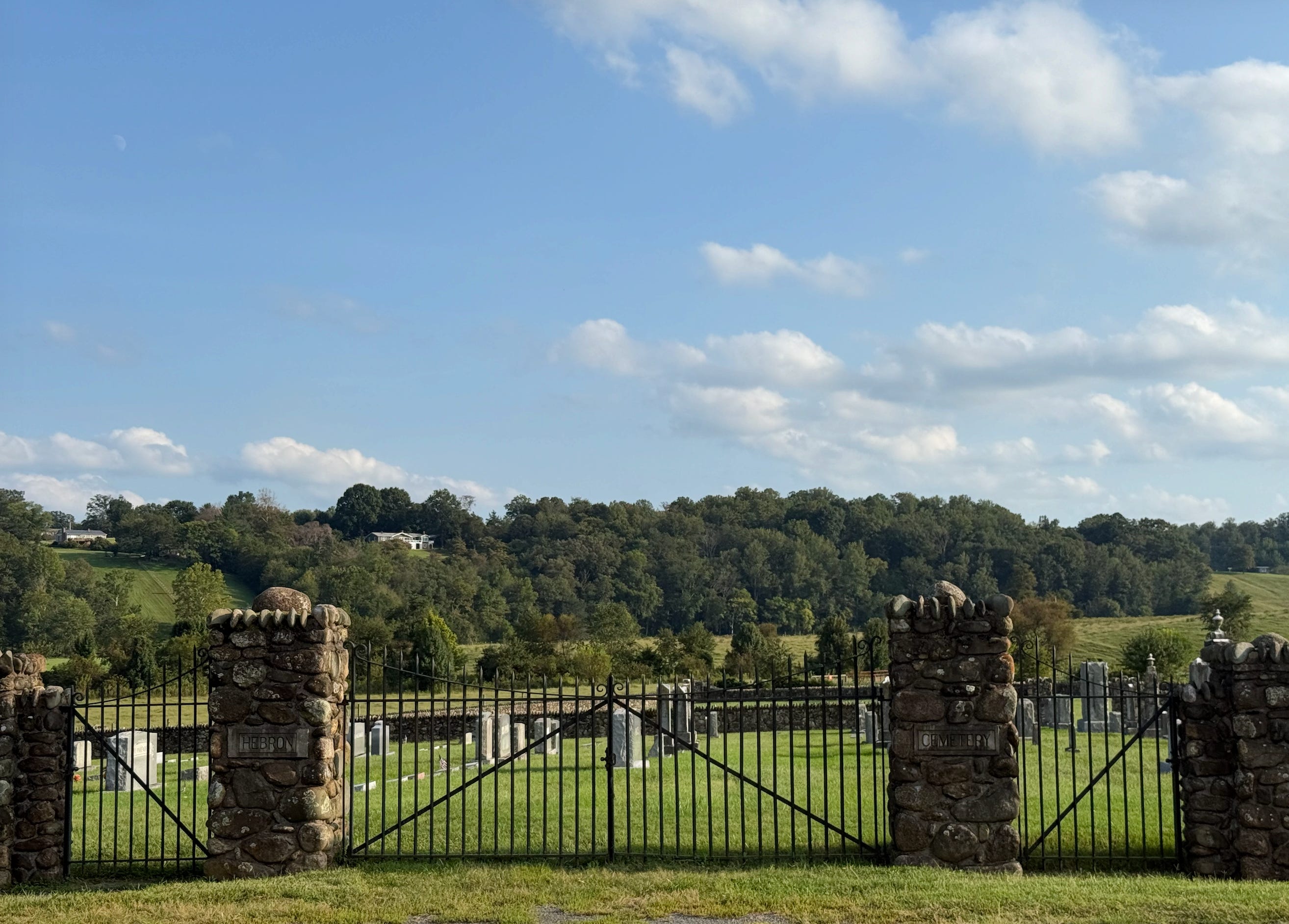
Hebron appears earlier in Scripture as well. Abraham, still a foreigner and sojourner in Canaan, bought his first piece of land there, a field containing the cave in which he buried his wife Sarah (Genesis 23). The first land Abraham actually owned in the promised land was a grave.
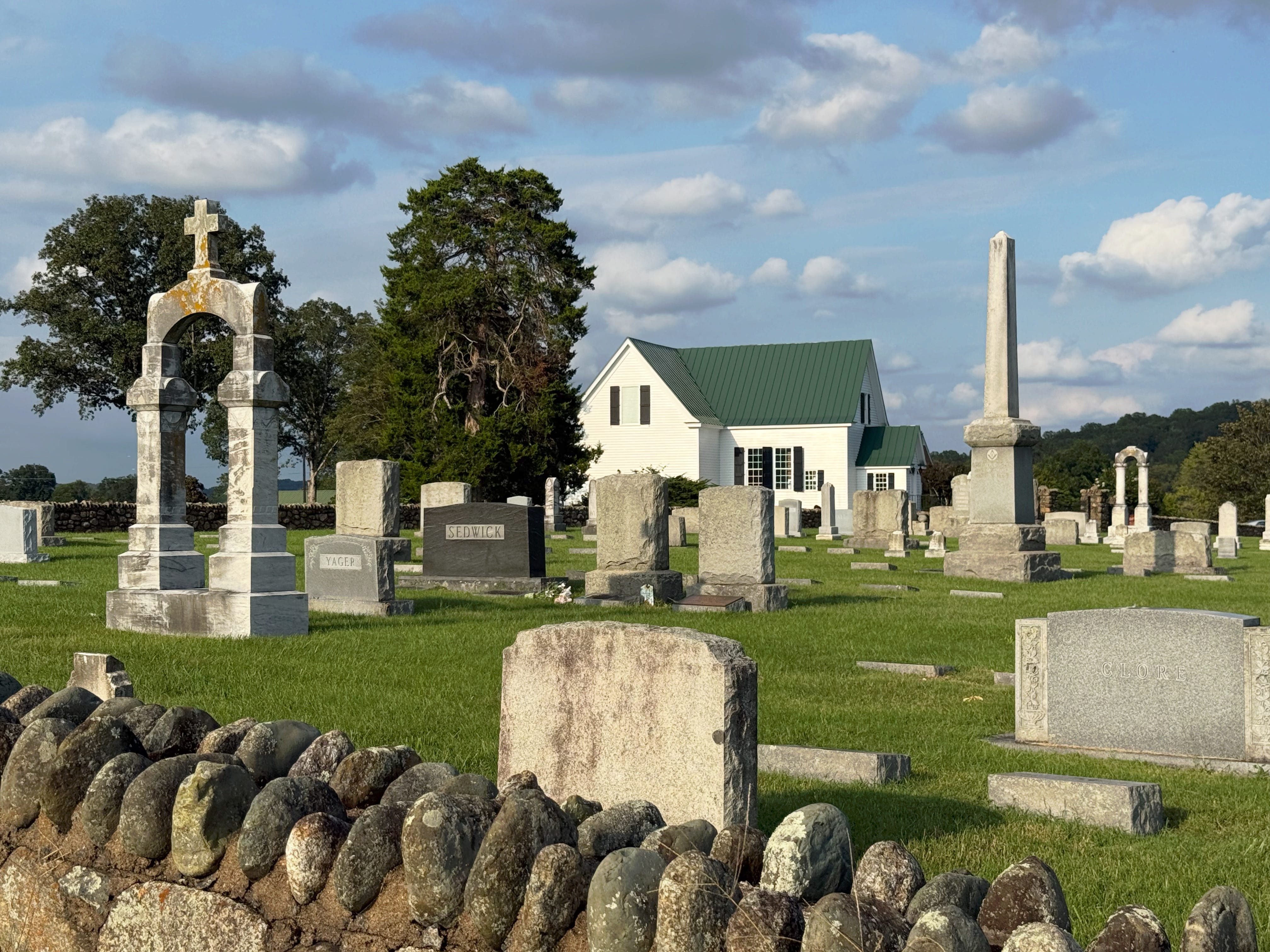
The graveyard at Hebron Lutheran Church carries something of that same meaning. The families buried there descended from people who had intended to settle freely in Pennsylvania, but instead were carried to Virginia against their will and forced into years of labor under Virginia’s royal governor. They eventually left him for a valley at the foot of the Blue Ridge. There they farmed their own land, paid taxes to support a church they did not attend, and built and supported a Lutheran church of their own. In 1776, they petitioned the new Commonwealth of Virginia for equal treatment. Their children and grandchildren would later stand outside that same church in the snow while James Madison asked for their votes and promised to protect their freedom of conscience.
Those families have put down generational roots that endure to this day. Their surnames still fill Madison County’s deed books and church rolls, and can still be read on the stones in Hebron’s graveyard. Uhl became Yowell, Öhler became Aylor, Weber became Weaver, and Klaar became Clore. The chairman of the Madison County Board of Supervisors today is a Yowell, and the county’s sheriff since 2019 is a Weaver. An Utz married to a Fray represented Madison in the House of Delegates a century ago.
Madison County has also grown far more slowly than its neighbors. Between 1980 and 2020, Culpeper County more than doubled in population, and Greene County nearly tripled, while Madison grew by only 14 percent, to 13,837 people. Geography, commuter highways, and the national park explain some of that difference. Jill and I think something else may be at work as well: a deeply rooted local conviction that good bottomland belongs in hay and cattle rather than subdivisions. Families whose ancestors fought to own and farm this ground are not eager to give it up for something as transient as money.
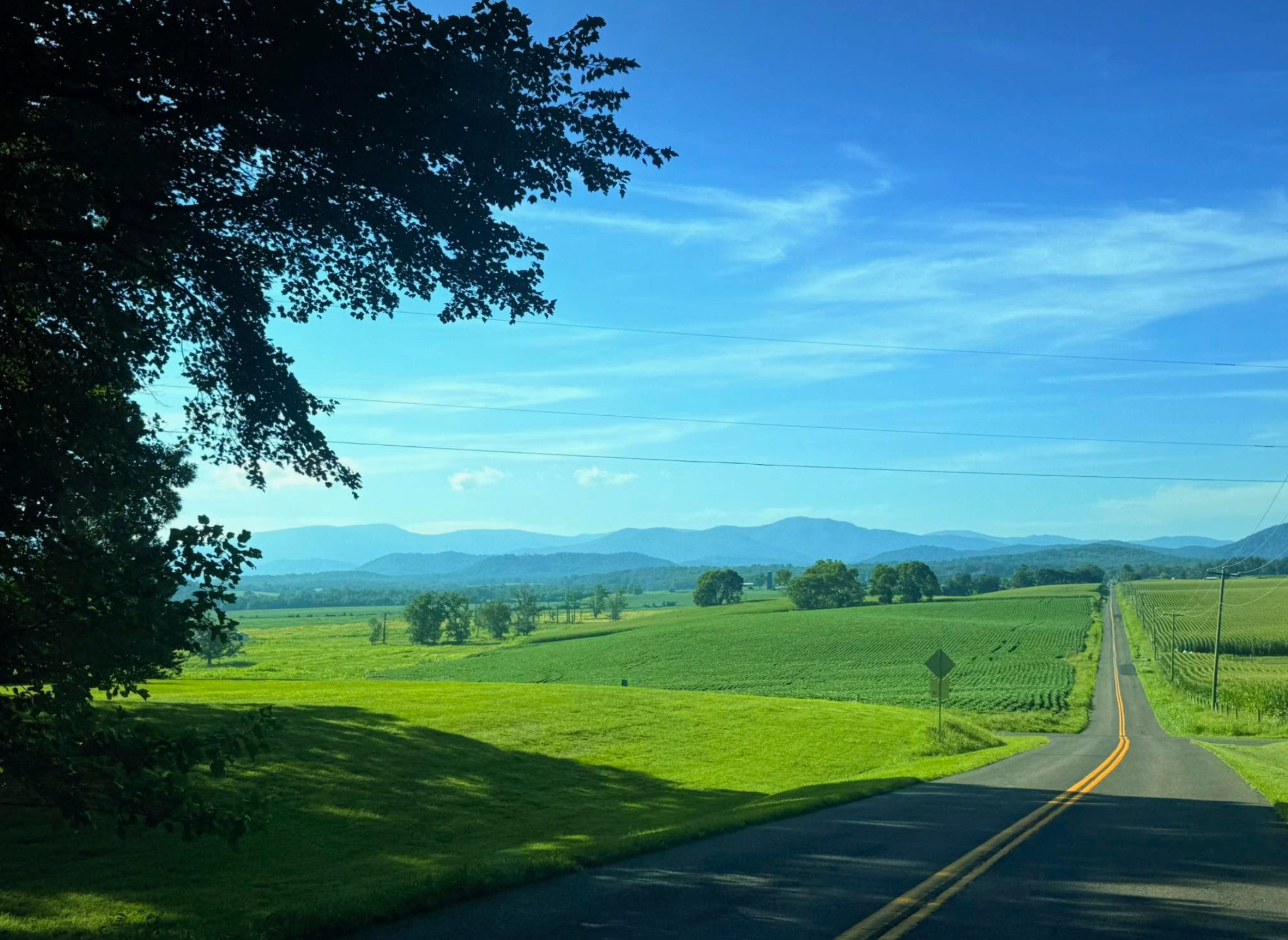
If you ever come to visit Jill and me, take the back roads instead of Route 29. Follow the Robinson River along the mountains, past hayfields, cattle, and some of the best trout water in Virginia. Turn onto Hebron Church Road and stop at the plain wooden church at the foot of the valley. Walk among the stones in the graveyard. The congregation still worships there on Sunday mornings. Our farm lies just over the hill, about two miles away as the crow flies.
RWM/JGM
References
Blankenbaker, John. n.d.a. “Germanna History Note 171.” Germanna Foundation. https://germanna.org/wp-content/uploads/history/note0171.html.
Blankenbaker, John. n.d.b. “Germanna History Notes, Page 17.” https://homepages.rootsweb.com/~george/johnsgermnotes/germhs17.html.
Everson v. Board of Education of Ewing Township. 1947. 330 U.S. 1.
Germanna Foundation. 2013. “Who Were the German Settlers in the Robinson River Valley?” By John Blankenbaker. September 11. https://germanna.org/2013/09/11/who-were-the-german-settlers-in-the-robinson-river-valley/.
Germanna Foundation. 2019. “Germanna Record 18: The Second Germanna Colony and Other Pioneers.” https://germanna.org/2019/06/12/germanna-record-18-the-second-germanna-colony-and-other-pioneers/.
GRIVA (Genealogical Research Institute of Virginia). 2026. “Germans in Colonial Virginia.” April 7. https://griva.org/april-7-2026-germans-in-colonial-virginia/.
Hebron Valley Church Facebook page (for many of the photos scattered throughout this article)
Hebron Lutheran Church Foundation. n.d. “History of the Hebron Lutheran Church.” https://hebronlutheranchurchfoundation.com/history/.
James, Charles F. 1900. Documentary History of the Struggle for Religious Liberty in Virginia. Lynchburg, VA: J. P. Bell Company. Digitized by Cornell University Library, Internet Archive. http://www.archive.org/details/cu31924029255169. Full PDF also available at [INSERT MALONE.NEWS LINK].
Madison County, Virginia. 2026. “Board of Supervisors Members.” https://www.madisonco.virginia.gov/618/Board-of-Supervisors-Members.
Madison, James. 1785. “Memorial and Remonstrance against Religious Assessments.” Founders Online, National Archives.
Madison, James. 1789. Letter to George Eve, January 2. Founders Online, National Archives.
Montpelier. 2021. “The Congressional Election of 1789.” James Madison’s Montpelier. https://www.montpelier.org/the-congressional-election-of-1789/.
Pennsylvania Society of the Cincinnati. n.d. “B. Gen. Peter Muhlenberg.” https://pasocietyofthecincinnati.org/gallery_post/b-gen-peter-muhlenberg.
Swem, Earl G., and John W. Williams. 1918. A Register of the General Assembly of Virginia, 1776-1918. Richmond: Davis Bottom, Superintendent of Public Printing.
US Census Bureau. 2020. “Decennial Census of Population and Housing, 2020.” Washington, DC: US Department of Commerce.
Virginia Department of Historic Resources. 1971. “Hebron Lutheran Church (056-0006).” https://www.dhr.virginia.gov/historic-registers/056-0006/.
Virginia Synod, ELCA. 2019. “The History of Hebron Lutheran Church.” https://vasynod.org/history-hebron-lutheran-church/.
VPAP (Virginia Public Access Project). 2019. “Election Results: Madison County, November 5, 2019.” https://www.vpap.org/electionresults/20191105/local/madison-county-va.
I love the way you write together. And yes,
Madison was right. Free exercise is God’s own way of letting His own “choose this day Whom we will serve.” Men should not appropriate by compulsion that which God granted freely in conscience and spirit.
And as for me and my house, we will serve the Lord, the One God Almighty, by the spirit of Jesus Christ.
Beautiful! Thought provoking! Thank you for sharing this inspiring history. Very timely! Looking forward to your next.