

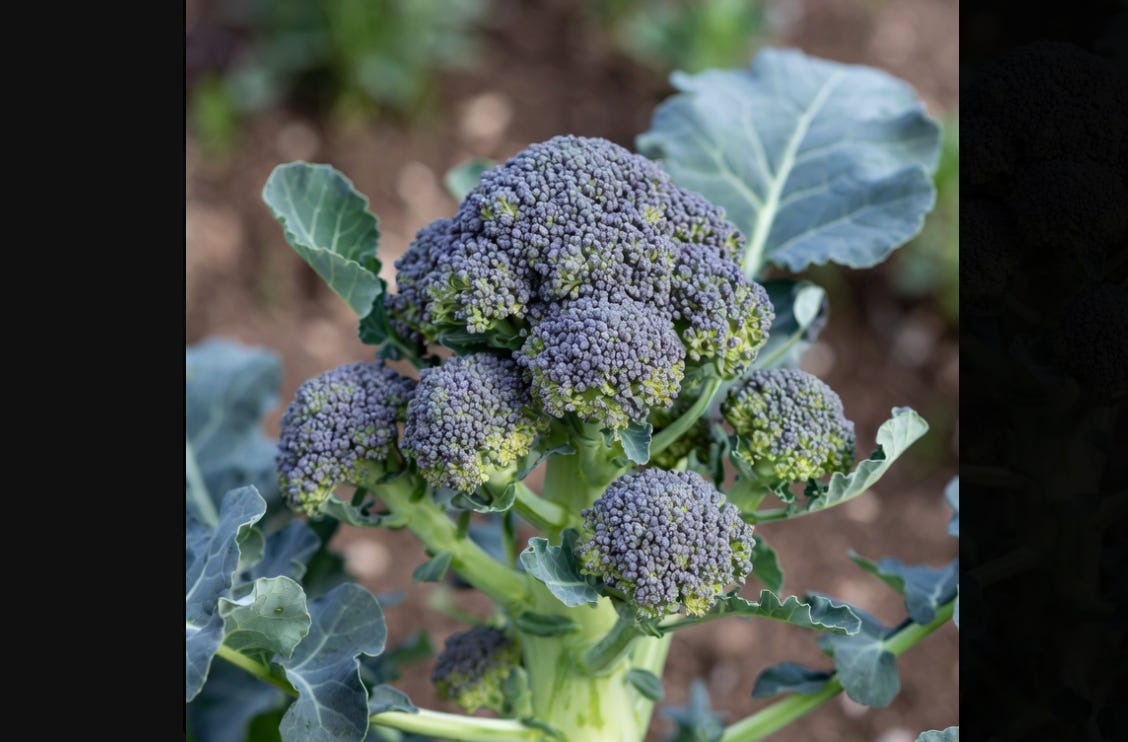
We have all heard the phrase “eat your greens.” Well, it turns out that some greens are healthier than others. Probably at the top of the list as the healthiest produce you can eat is broccoli.
Broccoli’s reputation as a cancer-fighting food isn’t based on vague “antioxidant” claims, but on a few very specific compounds and how the body uses them. The most important one is sulforaphane. Interestingly, broccoli doesn’t store sulforaphane in ready-to-use form. Instead, it contains a natural compound called glucoraphanin, which converts to sulforaphane when broccoli is chopped, chewed, or sprouted. That change happens with the help of a natural enzyme found in raw broccoli, and it’s especially active in young broccoli sprouts.
Once sulforaphane is formed, it works less like a vitamin and more like a signal. It switches on the body’s own cleanup and defense systems, helping cells neutralize and clear out potentially harmful substances before they can damage DNA. Rather than chasing damage after it happens, sulforaphane helps the body stay ahead of the problem, which is why it has attracted so much attention in cancer prevention research.
Sulforaphane also appears to help keep cell growth in check. In studies, it has been shown to slow down the growth of abnormal cells and, in some cases, help trigger the natural process that tells damaged cells to shut themselves down. Notably, it tends to place more stress on unhealthy cells than on normal ones. Researchers have also found that it can influence how genes are turned on and off, helping cells that have gone off course behave more normally again.
Beyond sulforaphane, broccoli contains other helpful plant compounds. Some support healthy hormone balance - like DIM, which is why cruciferous vegetables are often studied in relation to breast and prostate health.
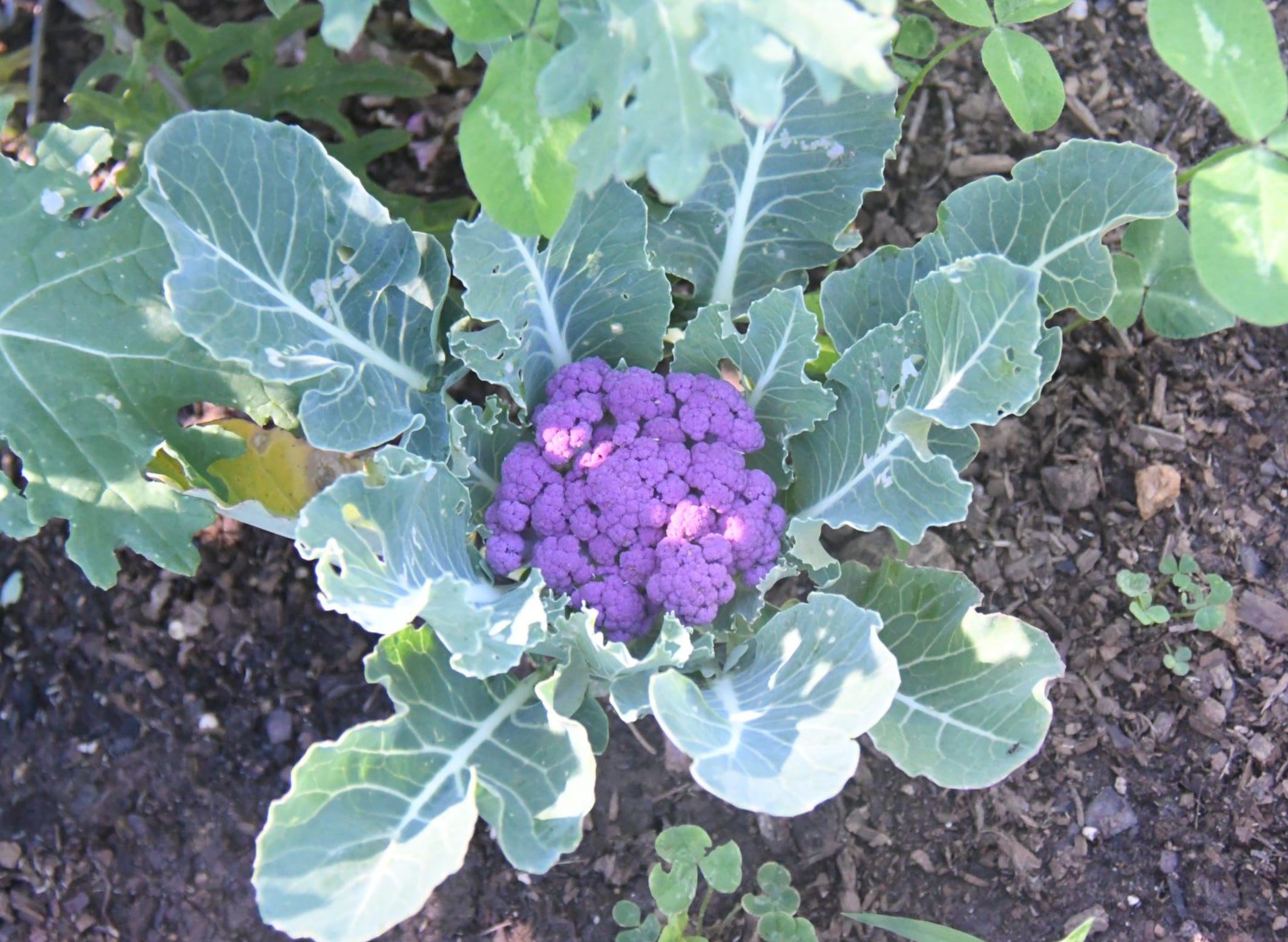
Broccoli also provides vitamins and minerals that support immune function and DNA repair. These nutrients play supporting roles, but together they help explain why broccoli, and especially broccoli sprouts, consistently show up as standout foods in long-term health research.
In short, broccoli’s cancer-fighting reputation is grounded in biochemistry, not myth. It does not “kill cancer” outright, but it supports detoxification, epigenetic regulation, hormonal balance, and cellular self-repair in ways that plausibly reduce cancer risk over time. It is food functioning less like a vitamin pill and more like a biological signal, nudging the body toward resilience rather than reacting after damage is done.
Organic
I know people get tired of hearing that they should buy organic produce. But here’s the thing about growing broccoli: everything, every plant-loving insect loves some broccoli. As a gardener, I have never had a broccoli crop that wasn’t attacked by aphids. No matter what region of the country we lived in. Due to insect pressure, broccoli often receives multiple insecticide applications each season, sometimes weekly during periods of high pest pressure. These can include synthetic pyrethroids, neonicotinoids, spinosad, and diamides.
Broccoli consistently ranks in the middle to upper tier for insecticide residues among vegetables. It is not as residue-heavy as strawberries or leafy greens like spinach, but when tested for residue, it has more insecticide residue than root crops or fruits with thick peels.
In contrast, broccoli sprouts almost never show pesticide, herbicide, or insecticide residues in monitoring data. They are grown indoors, harvested quickly, and avoid the entire insect-control cycle. From both a nutritional and residue-exposure standpoint, sprouts concentrate the benefits while largely skipping the downsides. However, finding broccoli sprouts being sold in a conventional grocery store can be problematic, to say the least.
Cooking
Cooking broccoli doesn’t destroy its healthy compounds so much as it changes how well your body can use them. The key protective compound, sulforaphane, is made from a precursor called glucoraphanin, which is fairly heat-stable. Light steaming preserves most of it, and even roasting or stir-frying doesn’t do much damage. Boiling is the main problem because glucoraphanin can simply leach into the cooking water. What cooking reliably destroys is the enzyme needed to convert glucoraphanin into sulforaphane. So cooked broccoli may still contain the raw materials, but much less of the finished, beneficial compound.
This same issue shows up in supplements. Most broccoli seed extract supplements don’t contain sulforaphane itself, but rather glucoraphanin from broccoli seeds. Some supplements rely on gut bacteria to do the conversion, which works well for some people and poorly for others.
Higher-quality products often include a natural enzyme source, such as mustard seed, to improve conversion reliability. When a label talks about “sulforaphane potential,” it usually means the precursor, not sulforaphane itself.
The key thing in mustard seed that boosts bioavailability is myrosinase.
Myrosinase is a natural plant enzyme that acts like a switch. On its own, broccoli (and broccoli supplements) mostly contains a precursor compound, not the finished, protective one people care about. Myrosinase is what flips that precursor into its active form. Raw mustard seed happens to be one of the richest, most reliable sources of active myrosinase, and unlike broccoli’s enzyme, it survives storage and processing surprisingly well.
So broccoli seed extract or naturally sourced glucoraphanin supplements also need to contain Myrosinase, often derived from mustard seeds.
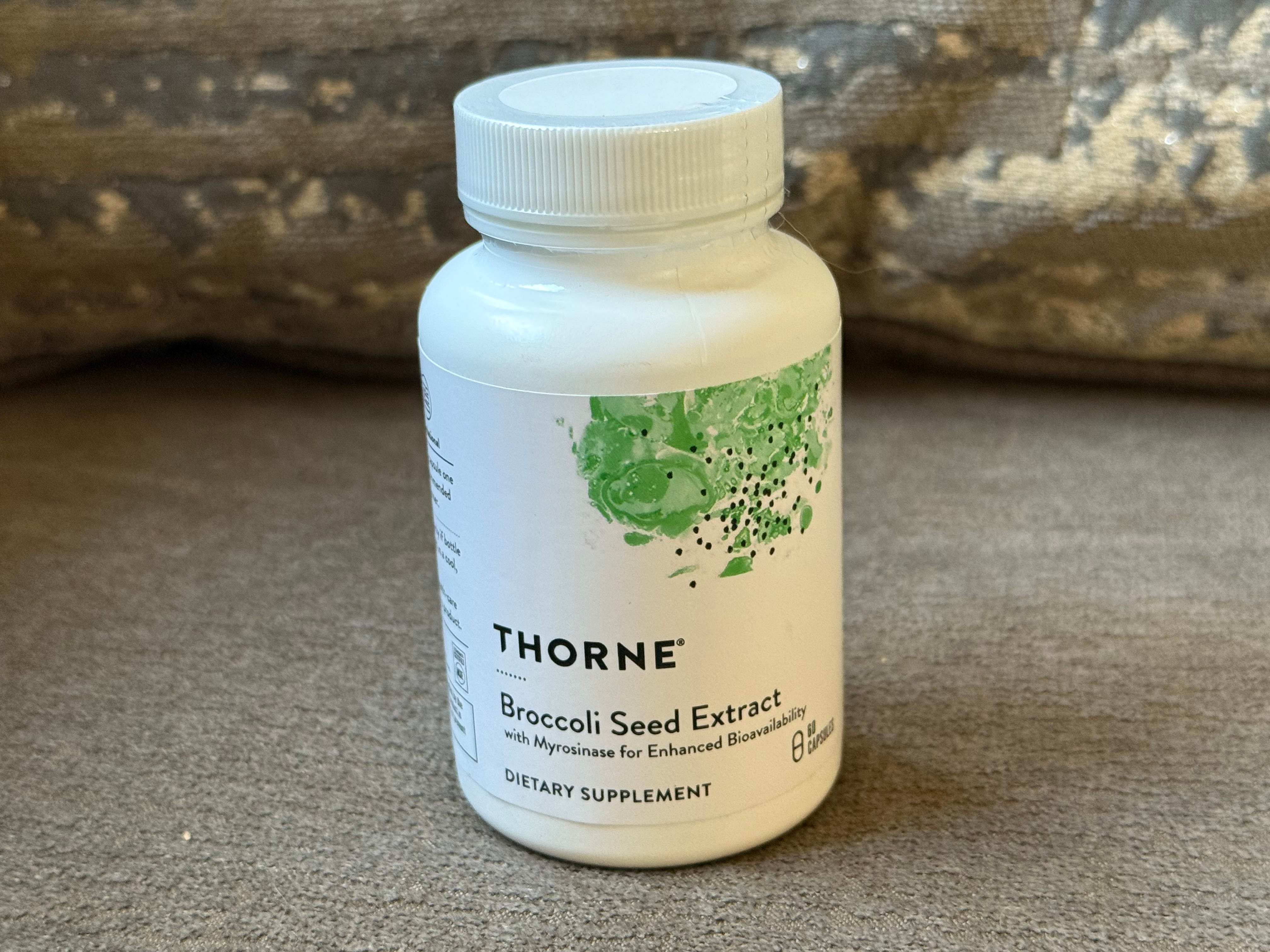
Above is the particular brand that Robert and I take (this is not a paid product endorsement), but a warning - broccoli seed extract isn’t cheap. The product is third-party tested:
3rd Party Contents Certified: This product has been third-party tested and certified to verify what’s in the package matches what’s on the label
Although glucoraphanin can be made in a lab, it’s too complex and expensive to produce for everyday supplements. Nearly all consumer products use plant-derived extracts instead. In real life, the limiting factor isn’t how much glucoraphanin you consume, but whether it gets converted. Cooked broccoli can still help when paired with foods like mustard or raw cruciferous vegetables, while supplements vary widely in how well they address this conversion step. Raw broccoli sprouts naturally solve this problem by providing both pieces together.
Grow your own Broccoli Sprouts
Broccoli sprouts get so much attention because of their high concentration of glucoraphanin. Young sprouts can contain tens of times more glucoraphanin than mature broccoli heads, making them an unusually dense dietary source of sulforaphane potential.
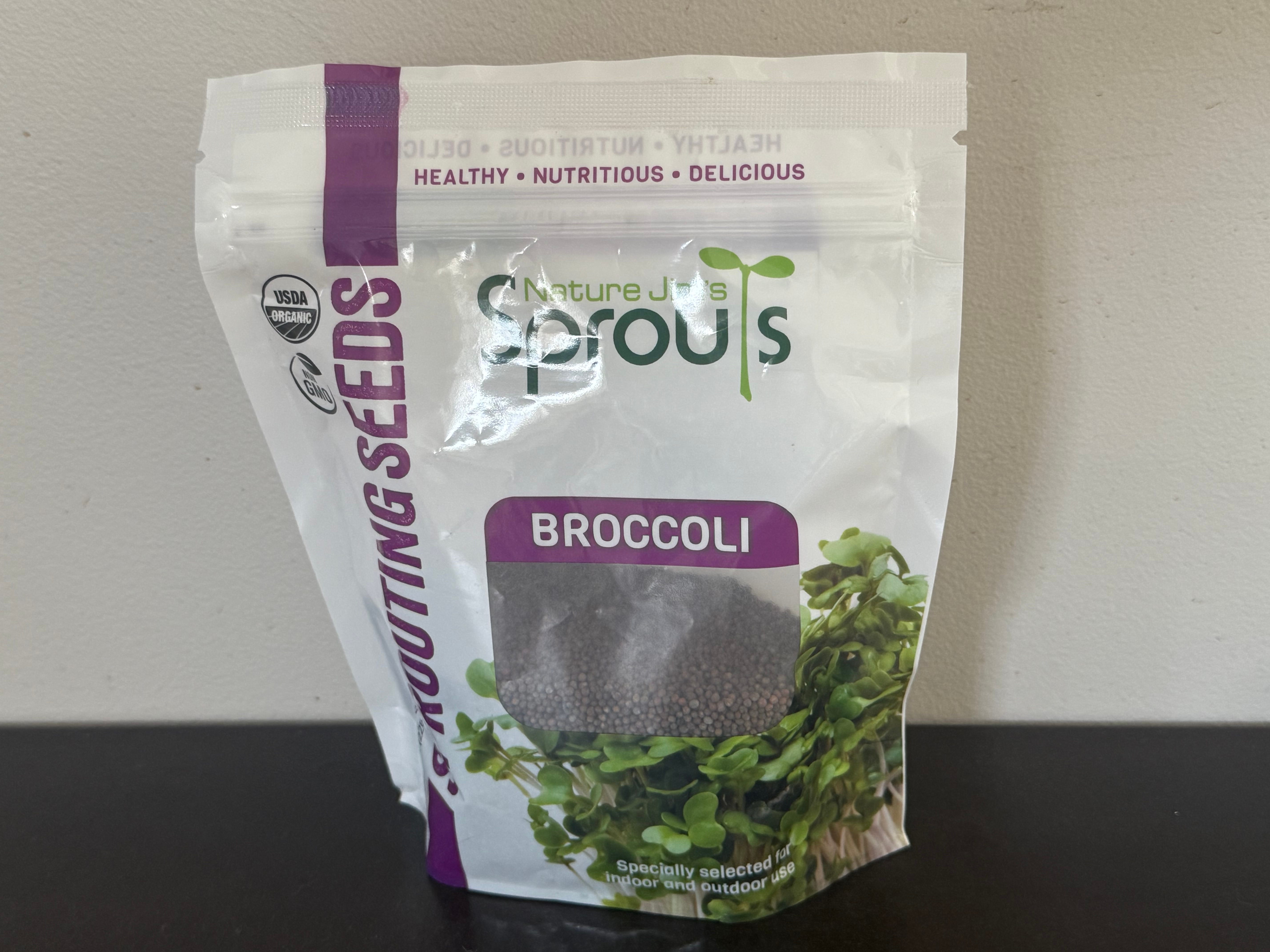
Growing broccoli sprouts at home is surprisingly simple, and the payoff is outsized.


Above are some of the types of sprouting jars available on Amazon.
A note on sprouting jars. For years, we have had a favorite sprouting system that features a tower setup, where water is poured into the top and drains into the other chambers. This allows the young sprouts to get plenty of aeration and prevents overcrowding. A similar stainless steel model is now available (top left photo), and since our decade-old sprouting system is plastic, we have just ordered one.
How to sprout:
Sprouting broccoli is a great thing to do in the winter, as it is all done indoors and requires no special tools. Start with good organic seeds, which are readily available and modestly priced online. Start by soaking one to two tablespoons of organic broccoli sprouting seeds, which are easily obtained online, in a wide-mouth mason jar, covering them with cool water and letting them sit for six to twelve hours. Overnight works perfectly.
After soaking, drain the water completely, rinse the seeds with fresh cool water, and drain again. The easiest option at this point is to use a sprouting jar or setup, but if you don’t have one, a wide-mouthd mason jar will do. Just set the jar at a slight angle in a bowl so excess moisture can escape. This balance of moisture and airflow is key; sprouts want hydration, not stagnation.
Over the next three to five days, rinse and drain the seeds two to three times daily, keeping the jar in a dark, cool spot such as a kitchen cabinet. During this short window, the seeds undergo a dramatic transformation. As they sprout, broccoli seeds generate exceptionally high levels of sulforaphane, a sulfur-containing compound linked in the research literature to cellular detoxification, reduced inflammation, improved insulin sensitivity, and activation of the body’s own antioxidant defenses. Gram for gram, young broccoli sprouts can contain many times more sulforaphane than mature broccoli heads, making them one of the most nutrient-dense foods you can grow on a countertop.
Around day four or five, you can move the jar into indirect sunlight for a few hours if you’d like the sprouts to green up and develop chlorophyll. This step isn’t strictly necessary for nutrition, but it does add color and a fresher flavor. The sprouts are ready to harvest once they reach about an inch in length and have tiny green leaves. Give them a final rinse, drain thoroughly, and dry them gently on paper towels before storing. Once harvested, broccoli sprouts keep well in a sealed container in the refrigerator for up to five days.
Broccoli sprouts are best eaten raw or added to foods after cooking, since heat can reduce their benefits. They can be sprinkled onto eggs, salads, soups, grain bowls, or sandwiches, much like a fresh herb or garnish. Pairing them with a little fat, such as olive oil or eggs, and even a small amount of mustard or mustard seed can help your body make better use of their protective compounds.
Grown this way, they deliver fresh enzymes, bioavailable micronutrients, and potent phytonutrients with almost no effort, no soil, and no special equipment; a rare example of food that is both humble and genuinely powerful.
JG-M
Easiest way I got my kids to eat broccoli - a long time family favorite recipe. Great side dish to bring to pot luck dinners.
Blend together in the personally preferred amounts with enough mayonnaise [or dressing to taste] to coat. Serve chilled
Chopped fresh broccoli
Chopped apples
Chopped walnuts
Cranberries
I have ordered the stainless steel stackable set plus broccoli sprout seeds all for under $65. I have a perfect kitchen window for them to green up and may just throw a kitchen towel over them for darkness while germinating. Thanks Dr Jill! I'm excited to start growing indoors. Too many hungry bunnies around here to grow anything outdoors not to mention an HOA from hell!