


Regular walking is consistently associated not only with a lower risk of death but with a longer lifespan, making it one of the most robust and well-replicated findings in population health research
Large cohort studies following hundreds of thousands of people over many years show that individuals who walk regularly experience significantly lower all-cause mortality than those who are sedentary. Crucially, this relationship is not confined to athletes or highly active individuals; it applies broadly across age groups, sexes, and health statuses, including older adults and people living with chronic illness.
A key finding from this research is the strong dose-response link between walking and increased lifespan. The largest reduction in mortality risk occurs when individuals move from inactivity to even minimal physical activity. Just 10 to 15 minutes of walking daily offers noticeable health benefits, and longer or more frequent walking as well as more vigorous walking, further lowers risks.
Although the benefits tend to plateau at higher activity levels, the main takeaway is that consistency is more important than intensity. Achieving meaningful health improvements does not demand perfection or intense effort.
Skip the statins and take up walking for better results
Walking pace can impact health benefits, but don’t worry, every step counts! Brisk walking tends to bring bigger drops in risks related to heart health and overall mortality because it boosts your heart and lung fitness more effectively. However, slow walking still beats no movement at all by a mile. For those with mobility challenges, joint issues, or older adults, gentle walking isn’t a lesser option; it’s a smart, safe, and manageable way to stay active and healthy over the long haul.
The biological mechanisms underlying walking’s protective effects are well established. Regular walking improves blood pressure, lipid profiles, insulin sensitivity, and vascular function while reducing systemic inflammation. It also helps preserve muscle mass, balance, and functional capacity as people age, thereby reducing the risk of falls and frailty. In parallel, walking supports mental health by reducing stress and improving mood, both of which independently contribute to lower mortality risk.
Sexual Health and Satisfaction
More and more evidence shows that regular walking can significantly boost your sexual health and satisfaction. Taking leisurely walks or moderate aerobic activities helps increase blood flow, which is crucial for becoming aroused, whether you're a man or a woman. Research involving men with erectile difficulties indicates that walking routines can make a noticeable difference in erectile function, which is nearly as effective as first-line medical treatments for mild to moderate issues. Most of these positive effects result from improved endothelial health and enhanced nitric oxide signaling, making walking a simple yet powerful way to support sexual well-being.
Walking can really boost your sexual health in many ways. It helps balance hormones, improve metabolism, and supports mental well-being. When you walk regularly, it can lead to better insulin sensitivity and reduce inflammation, which are good for testosterone levels in men and can help women experience more arousal and lubrication. Walking also helps maintain muscle strength, stamina, and confidence as we age, all of which are important for healthy sexual function. Plus, it can lower feelings of anxiety and depression, improve sleep, and overall, make you feel more alive and satisfied. Going for a walk outside or with someone special might even strengthen your emotional connection, which is a wonderful part of long-term relationship health.
Taken together, this body of evidence explains why public-health authorities emphasize walking as a foundational health behavior. The truth is that any physical activity is better than none, and walking is among the safest and most accessible ways to improve health. The data show that regular walking is not merely “better than nothing”; it is a powerful, low-cost intervention that supports longevity, functional independence, and quality of life, including sexual health, across the lifespan.
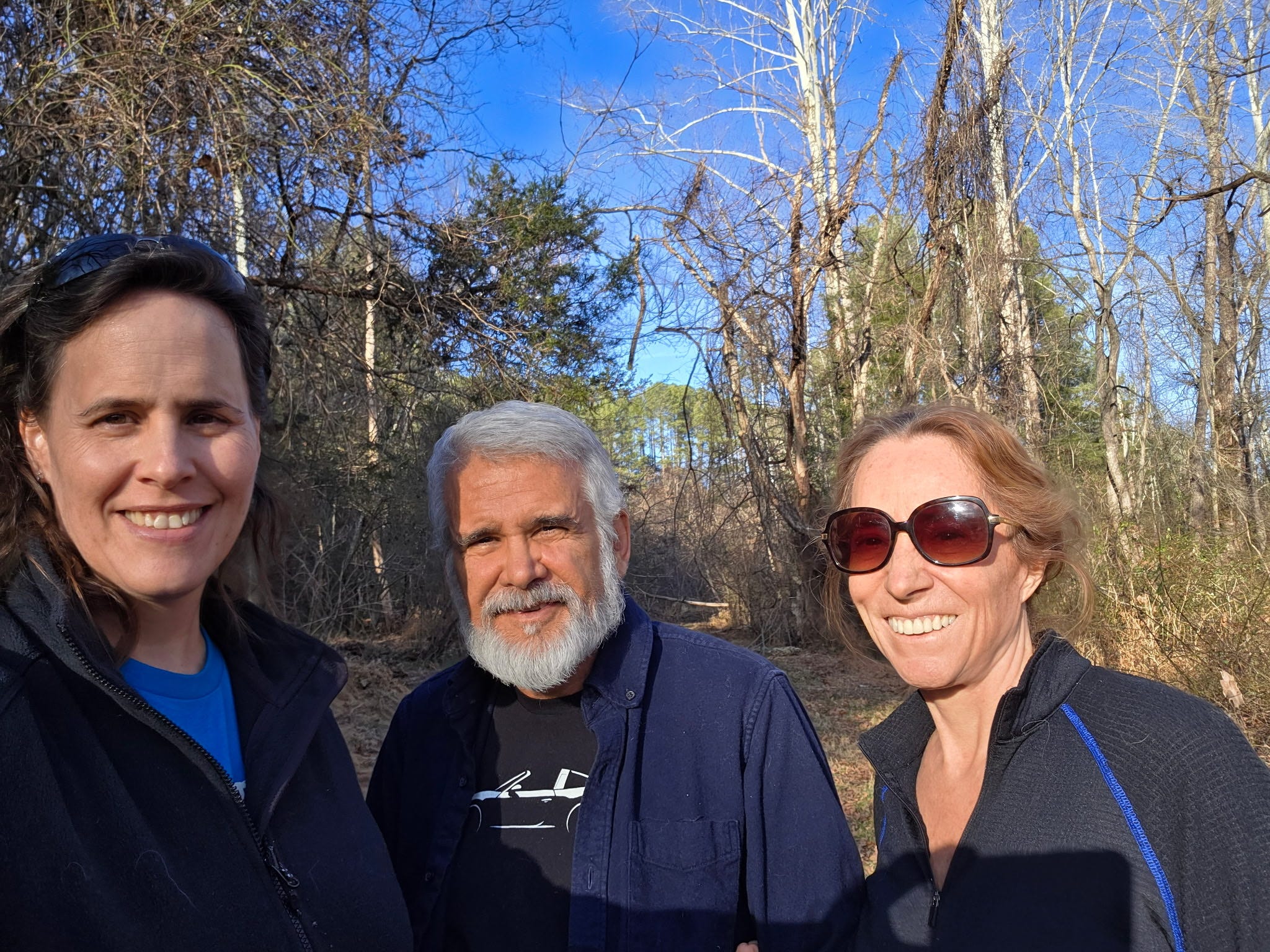
Tips to help you commit to regular walking
If out of shape, start smaller than you think you should.
The fastest way for you to build a walking habit is to make it feel easy at the beginning. Set a goal that feels almost effortless: five to ten minutes may be enough. Early wins reduce resistance and help you show up again tomorrow, which matters more than how far or fast you walk.Tie walking to something you already do.
Walk will become more of a habit, if it’s attached to an existing routine. Walk right after breakfast, during your lunch break, after dinner, or while making a regular phone call. When walking becomes the next automatic step in your day, it no longer requires motivation or decision-making. Even parking on the far side of the parking lot when shopping can make a difference.Habit Stacking for health.
Habit stacking utilizes existing behaviors as anchors to prompt new actions and capitalize on natural momentum. By placing a new habit right before, during, or after a current routine, it becomes more automatic and easier for the brain to remember or start.Prioritize consistency over intensity.
A short or slow walk still counts. On low-energy days, showing up for a few minutes keeps the habit alive and reinforces your identity as someone who walks regularly. Missing days because you “can’t do it properly” is far more damaging than doing less than planned.Make walking something you enjoy.
Walking is easiest to sustain when it feels like personal time, not a chore. Listen to a podcast, audiobook, or music you love, or choose routes you genuinely enjoy. When walking becomes something you look forward to, commitment takes care of itself.Track lightly, not obsessively.
A simple step count, minutes-walked log, or calendar checkmark can help you stay consistent without turning walking into pressure. The goal is to see patterns, not perfection. Each recorded walk reinforces that you are someone who follows through.Use social support when it helps you.
If you enjoy company, walk with a friend, partner, or dog. Even occasional shared walks increase accountability and enjoyment. If you prefer solitude, you can still create light accountability by sharing your goal with someone you trust or checking in weekly or even daily. If you have a dog(s), make them a part of your routine.Plan for imperfect days.
Decide in advance what you’ll do when the weather is bad, your schedule is tight, or your energy is low. Having a shorter default route or an indoor option prevents all-or-nothing thinking. The goal is to keep the habit intact, not to wait for ideal conditions.Focus on long-term benefits, not quick results.
You may not see immediate changes on the scale or in fitness, but walking is steadily improving your lifespan, mobility, mental health, and overall quality of life. Keeping this long view helps you stay committed even when short-term feedback is subtle.Think of yourself as a “regular walker.”
Identity is powerful. Each walk, even a short one, is evidence that you are someone who takes care of your health in a simple, sustainable way. When motivation dips, you don’t have to debate whether to walk, you do it because it’s part of who you are.
JG
I didn't realize it, but i use several of Dr. Malone's recommendations. I partially heat with wood in an outdoor stove, so each morning my dog and I go out to load the stove, then walk the quarter mile to back of our property. It is a special time watching the sun come up in winter.
I have my regular route for a good, long walk; practiced most days of the week. It has proven to be very beneficial as a coping aid in this era of modern madness. Takes the edge off.